
Globalization is dead: Volvo will launch 13 new models by 2030, 7 of them for Europe and 6 completely different ones in China
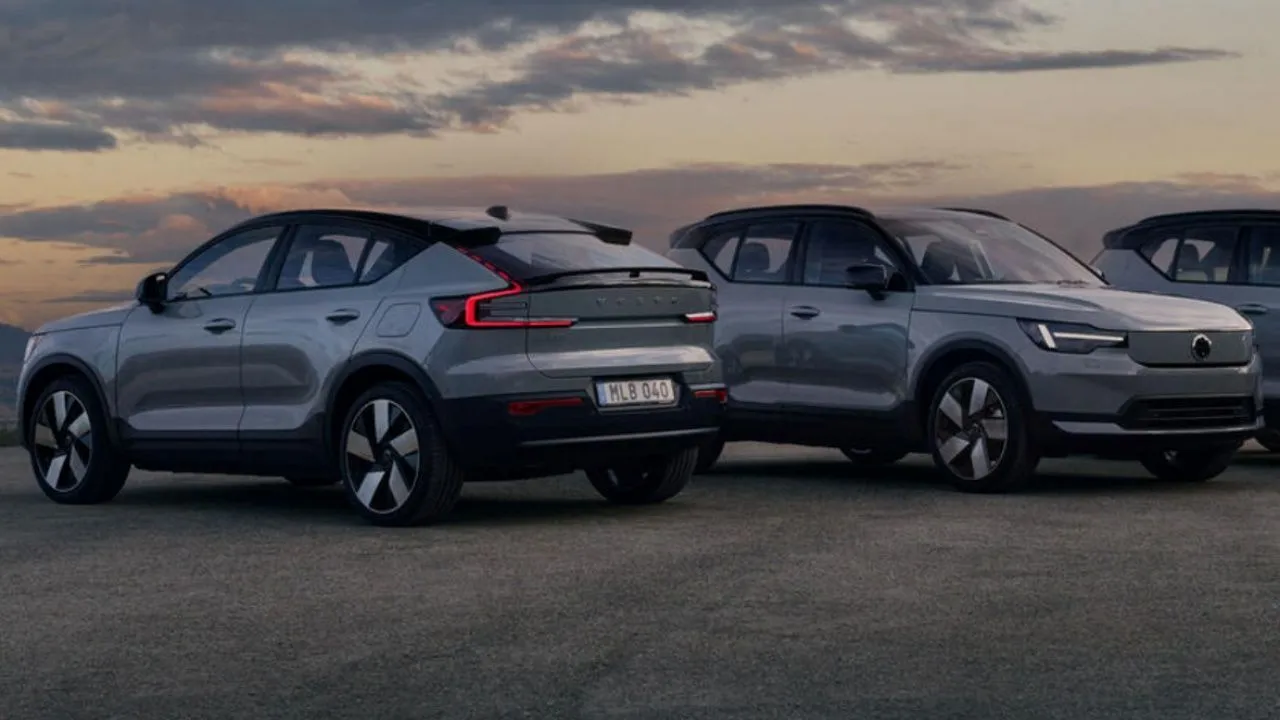
Volvo is preparing one of the most ambitious product launches in its history: by 2030, the Swedish brand will introduce a total of thirteen new models, all of which will be electric (hybrids and 100% electric). It is expected that some of these will be sedans and family vehicles. In addition, there will be regional products with tailored offerings for Western markets and China.
This localization of its product lineup responds to the increasing deglobalization in the industry due to technological restrictions, tariffs, and consumer preferences in the various markets where the brand operates. Seven new vehicles for Western countries will be based on the already established SPA2 and SPA3 platforms, meaning the investment required for their development will be lower than that of previous models such as the EX90, ES90, or EX60.
In China, Volvo will share platforms with its parent company Geely. A total of six new models will be launched in this Asian country, all equipped with specialized software. The company also expects significant cost reductions in both China and Europe thanks to synergies with Geely in component supply. By 2030, the standardization rate of parts is expected to reach around 30%, up from the current 10%, resulting in a 5% savings on material costs.
"The challenges facing the automotive industry are immense, but our strategy provides a clear roadmap on how we will adapt to them, with our ambition being to become the leading premium car brand," says Håkan Samuelsson, President and CEO of Volvo Cars. "With a regionally optimized product portfolio, unique synergies, electrification, and new levels of efficiency, we will build a company capable of achieving EBIT margins above 8%."
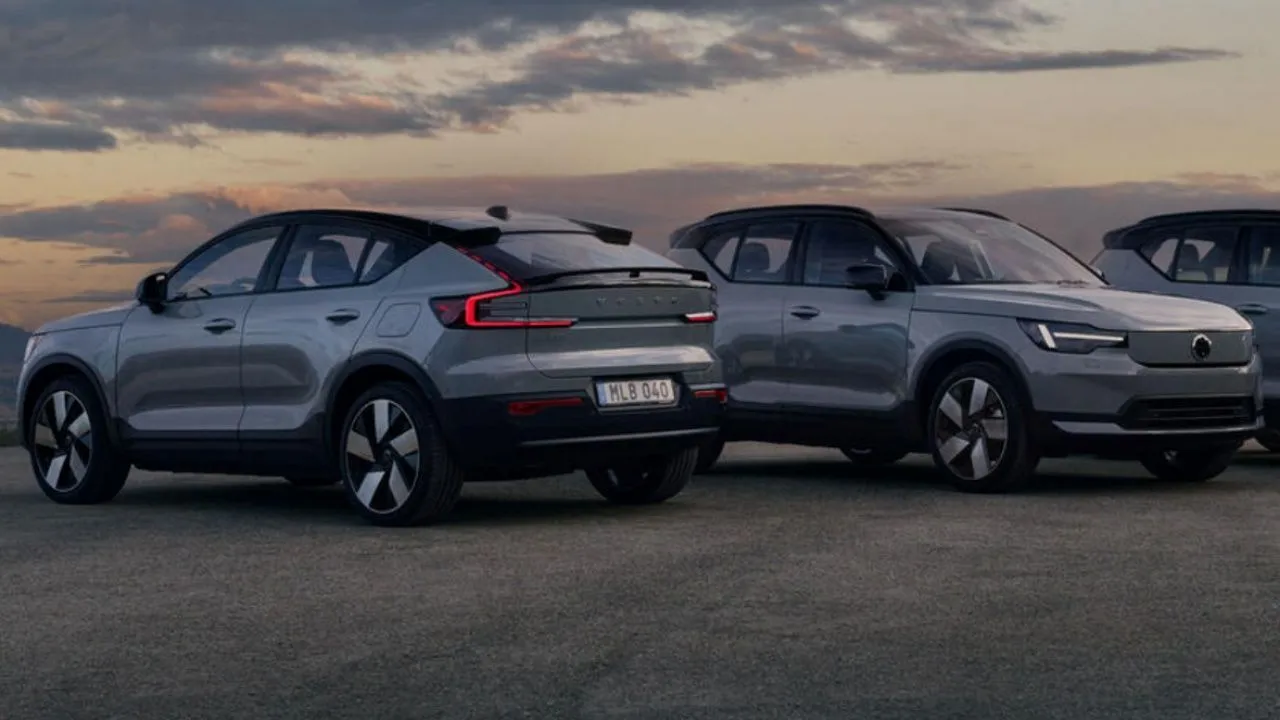
Volvo has just unveiled the SPA3 platform with the EX60
Volvo will develop a third-generation hybrid system for those customers who still prefer HEV and PHEV options; however, it will not neglect its all-electric lineup. Currently, all of its SUVs are either BEVs or come with all-electric versions (EX30, EX40, EC40, EX60, and EX90), so introducing models with lower body styles would be the next logical step.
Given the successful market launch of the EX60, it would not be surprising if Volvo develops an ES60 (sedan) or even an EV60 (station wagon) to compete with the BMW i3 and Mercedes-Benz Electric Class C. The high demand for these vehicles in the European market shows that the shift toward electric mobility is accelerating among premium brand customers.
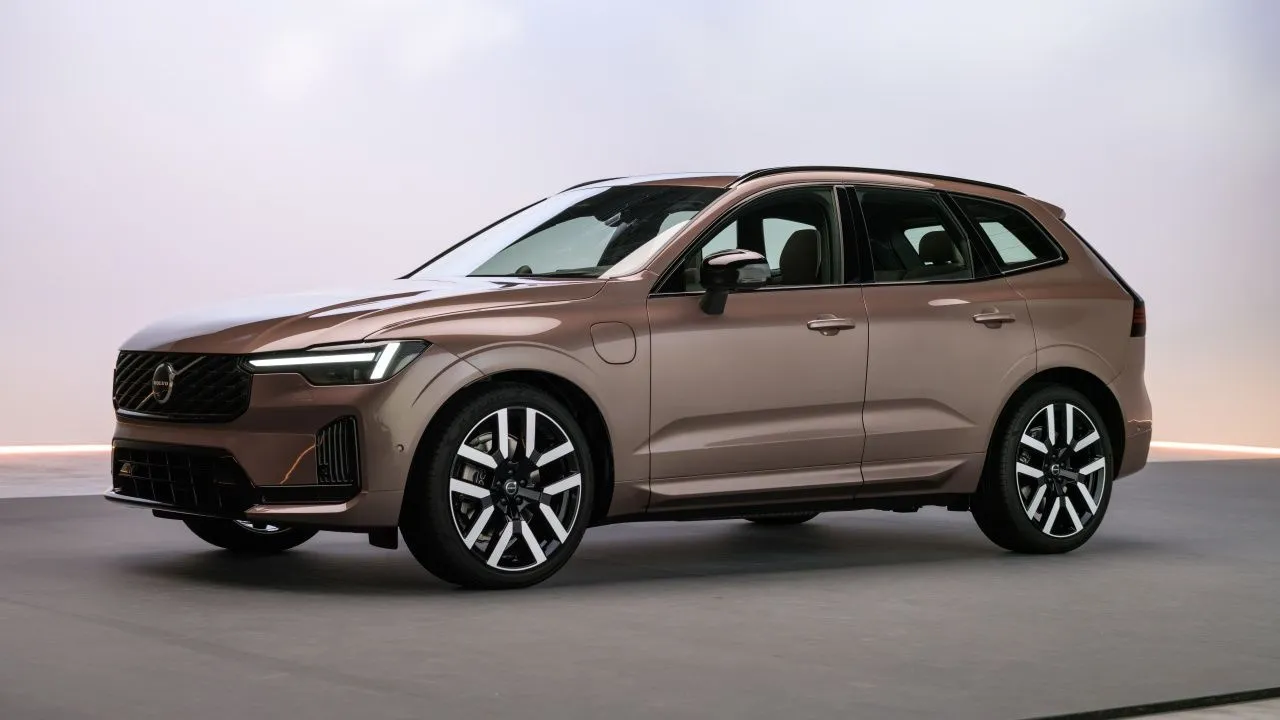
Recently, the XC40/EX40 and EC40 models were updated; additionally, the XC60 and XC90 have received significantly improved plug-in hybrid versions. It is expected that the EX30, the smallest model in this lineup, will also be refreshed sooner or later. Although it was originally produced in China, the units destined for our market are now manufactured in Ghent (Belgium).
Source | Volvo