
Gasoline and diesel remain at record prices as oil passes through the Strait of Hormuz again: what is happening?
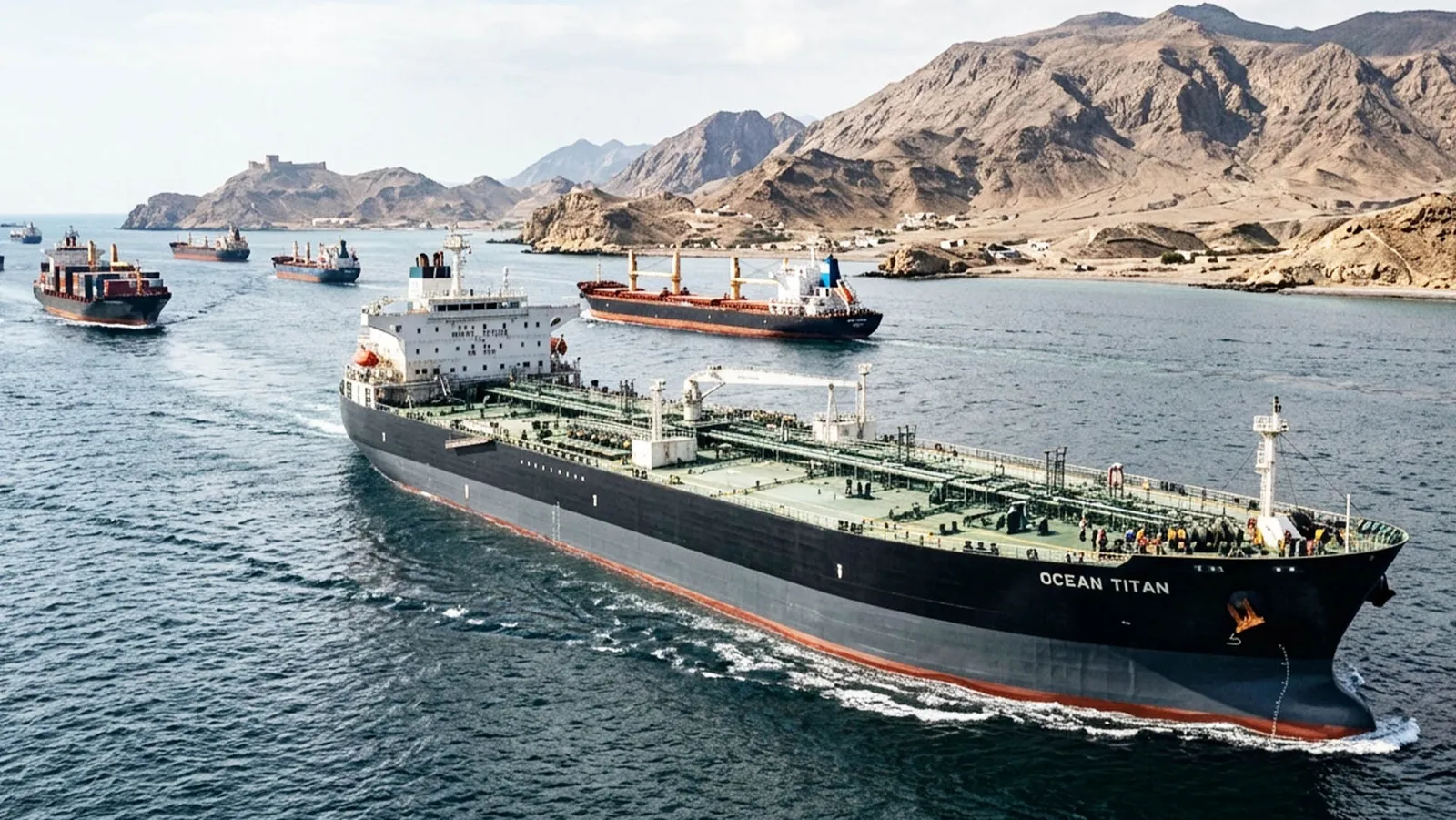
Oil is flowing again in large quantities through the Strait of Hormuz, but the recovery of maritime traffic has not restored calm to the energy market. The Brent crude barrel, a benchmark in Europe, is trading around $106-107, while difficulties in transporting crude oil, declining reserves, and refinery issues keep supply costs high.
This apparent contradiction has an explanation: the availability of more oil does not mean it arrives quickly and at a competitive price to the refineries that need it.
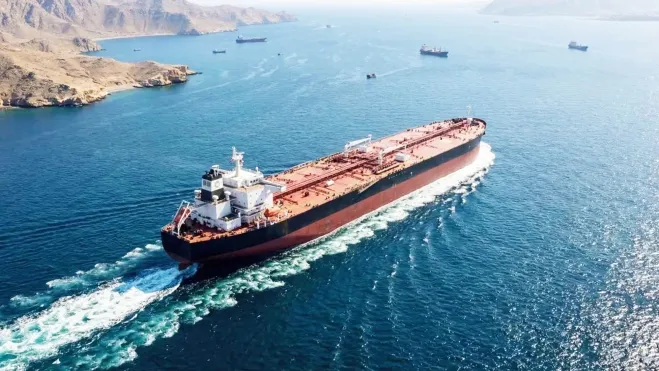
Hormuz sees traffic recovery, but market remains under pressure
The war between the United States and Iran has disrupted trade routes, damaged energy infrastructure, and depleted much of the reserves that could have mitigated these disruptions.
September data show a significant recovery in exports from Persian Gulf producers. According to the International Energy Agency (IEA), crude oil shipments increased by 4.4 million barrels per day, reaching 13.9 million barrels per day. This figure accounts for more than 75% of the levels prior to the war.
The volume of oil passing through the Strait of Hormuz also increased, rising by 3.7 million barrels per day to reach 10.9 million barrels per day. Meanwhile, Saudi Arabia increased the flow through its East-West pipeline, which allows oil transport without passing through the strait, to 5.6 million barrels per day.
The recovery spread across the entire market. Global supply increased by 2.5 million barrels per day in September, reaching 102.3 million barrels. However, these improvements are not enough to ensure a stable supply, especially as the risk of new attacks on oil tankers and energy facilities persists.
The trend in prices helps explain why the return of oil supplies does not automatically lead to lower prices. Since early September, Brent crude on the futures market has risen by about 13%, reaching near $107 per barrel.
The situation is even more complicated in the physical market, where oil shipments are traded for actual delivery. The North Sea Dated benchmark had risen by 43%, reaching around $134 per barrel, while some North Sea varieties even hit $160.
This difference is crucial. Futures prices reflect market expectations, whereas physical crude prices are also determined by the immediate availability of shipments, their location, and the difficulties in transporting them.
Therefore, the problem is not merely about producing enough oil, but about having it where and when it is needed.
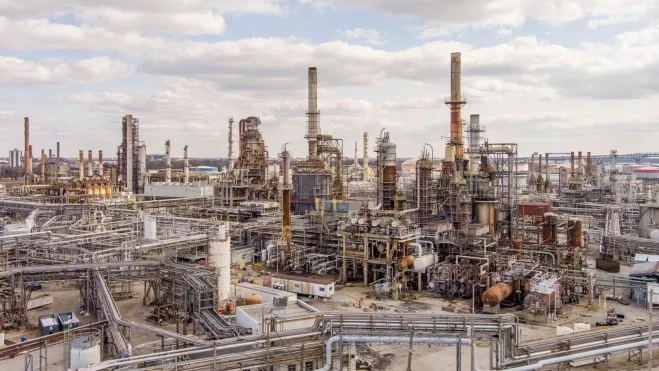
Oil Tankers and Refineries Driving Up Fuel Costs
Maritime transportation has become one of the main obstacles to stabilizing prices. Oil tanker freight rates have reached record levels due to navigation risks, higher insurance costs, and a shortage of available vessels.
These additional expenses increase the cost of oil purchased by refineries, narrowing their profit margins. If certain facilities become unprofitable or must limit operations, gasoline and diesel production could also suffer.
The IEA predicts that global refining activity will drop to 81.3 million barrels per day by October before recovering to 84.6 million by the end of the year. However, this recovery will depend on improvements in supply and security conditions.
The issue is particularly significant for Europe and Asia, which need to import large quantities of crude oil and petroleum products. If transportation remains expensive and refineries cannot operate normally, fuel prices may stay high even when oil flows through the Strait of Hormuz increase.
Oil reserves are at record lows
Another major weakness of the market is the depletion of inventories. Global observed reserves dropped by another ten million barrels in September. Since late February, the cumulative decline has reached 509 million barrels, equivalent to an average of about 2.4 million barrels per day.
In addition, global oil reserves are near their lowest levels since at least 2016. This means that some of the oil returning to the market must be used to rebuild reserves rather than solely covering current consumption.
The recovery in exports has not affected all products equally. Shipments of refined fuels from the Middle East rose to 1.9 million barrels per day in September, down from 4.7 million before the war. Crude oil liquefied gas reached 670,000 barrels per day, far below the 1.5 million before the conflict.
In the case of diesel, global availability decreased by 1.5 million barrels per day in the second quarter and by 1.7 million in the third quarter compared to the previous year.
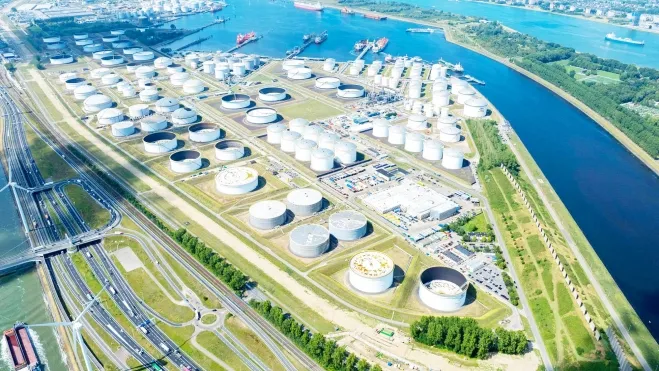
When will gasoline and diesel prices drop?
The recovery of traffic through the Strait of Ormus is a favorable condition, but it does not guarantee an immediate reduction at gas stations. The final price also depends on the prices of refined fuels, transportation costs, the exchange rate between the dollar and euro, distribution margins, and taxes.
The IEA predicts that global oil supply will average 100.7 million barrels per day in 2026, while demand will be at 102.4 million barrels per day. For 2027, it expects a recovery in production and inventories, although developments will depend on regional security and the normalization of exports.
For now, the market remains vulnerable to further price increases if another supply route is disrupted or new attacks occur on energy infrastructure. The market has not yet regained its energy security, and as long as reserves stay at minimum levels, tankers charge extraordinary fees and refineries face supply issues, gasoline and diesel will continue to be under pressure that reopening the strait alone cannot eliminate.