
The survey that dispels many doubts about electric cars: 97% of their users are satisfied
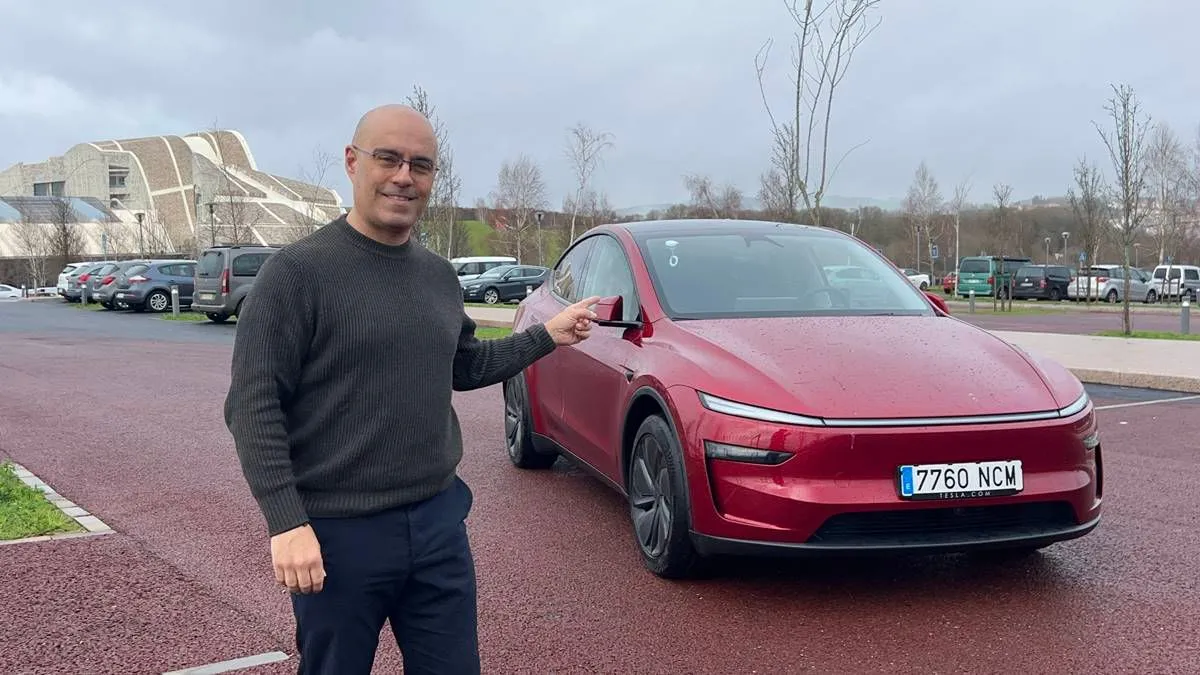
A survey conducted by Germany’s automobile club, ADAC, among over 1,000 electric car owners shows an overwhelming majority of drivers who are satisfied or very satisfied with their vehicle.
The study was carried out among 1,060 German drivers who own electric cars. For nearly three-quarters of the respondents, their current electric car was also the first of its kind they owned. The results thus depict a situation quite different from what one might assume based solely on the ongoing challenges surrounding electric mobility.
The level of satisfaction is particularly high. 70% of participants say they are very satisfied with their car, while another 27% claim to be satisfied. Only about 1% say they are dissatisfied. In other words, any issues that may arise in daily use do not seem to prevent the vast majority from having a positive experience with electric cars.
Range, however, remains one of the most discussed topics. For many users, the distance they can travel on a single charge is sufficient, and more than half say they know how to deal with the difference between the range advertised by manufacturers and what they actually achieve on the road.
But there is still room for improvement. 24% of respondents consider the gap between the announced and actual range to be a problem or admit it causes them some annoyance. This issue becomes even more significant when outdoor temperatures are involved, as the performance of an electric car can vary considerably between summer and winter.
One in four people find these differences between summer and winter conditions annoying or very annoying, while another 29% admit feeling annoyed by them at least occasionally. This serves as a reminder that, although range is no longer a concern for many drivers, real-world usage conditions still carry significant weight.
Public charging is where the main complaints arise. Nearly two-thirds of German users of public charging stations are satisfied or very satisfied with them, but about one in four believes that both the prices and charging conditions could be improved.
And here lies one of the main paradoxes of electric mobility. Germany has an increasingly extensive charging network, but using it is not always as simple as refueling at a gas station. As of August 1, 2026, the Federal Network Agency’s charging station registry listed 156,399 standard AC charging points and another 55,665 fast DC charging points.
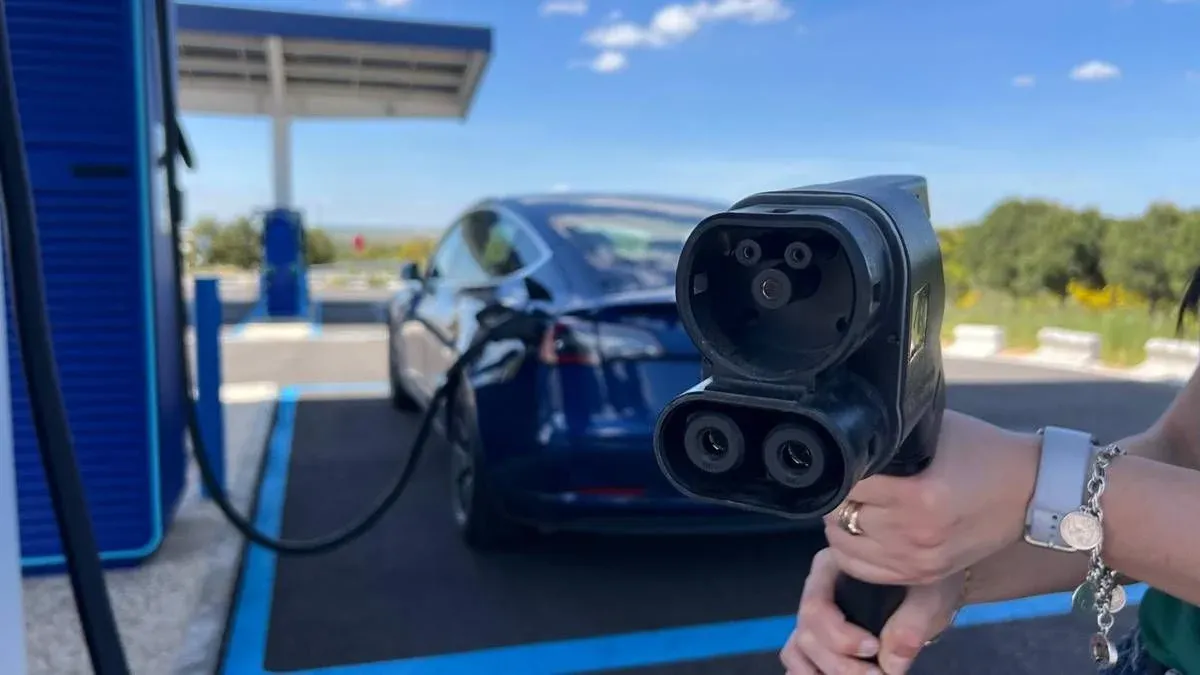
In total, these stations combined to offer 9.22 gigawatts of available power. This is a significant figure that illustrates the rapid growth in charging infrastructure, although the number of chargers isn’t the only factor affecting user experience.
The payment system remains one of the areas that cause the most confusion. Drivers primarily use charging apps or cards, though over a third already pay directly with a bank or credit card. If the fees were exactly the same, roughly one quarter of respondents would prefer to use a specific app or card for charging.
The issue is not solely economic. The sense of security also influences drivers' habits, especially at night. 56% of participants admit they change their charging behavior when it gets dark, a figure that rises to 67% among women.
Illumination and video surveillance are among the measures users consider most useful. For women, factors such as the presence of staff or the station being located in a more convenient and busy area gain additional importance.
Price and transparency remain unresolved issues
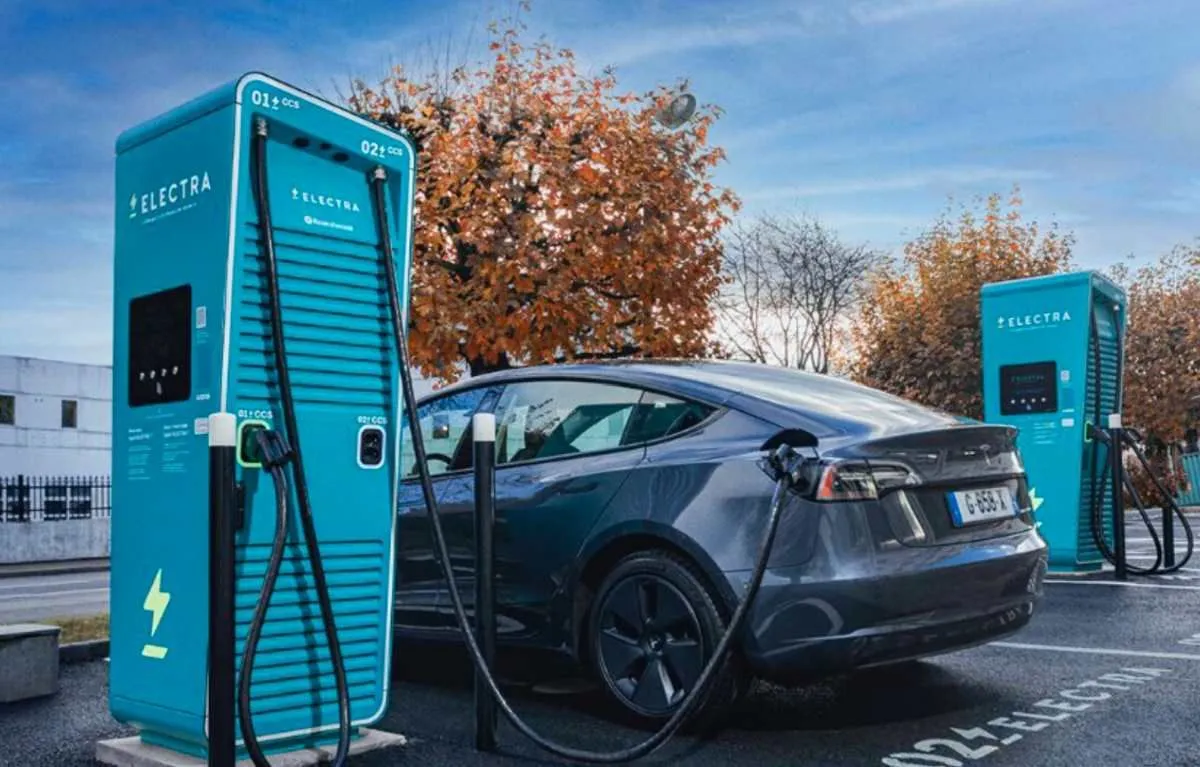
When choosing a top-up tariff, German drivers prioritize flexibility. 42% charge their vehicles on an ad-hoc basis without signing a fixed-rate contract, while another 40% use a tariff that has no monthly fee. Only 14% of respondents have a contract with a fixed monthly charge.
This situation highlights another common issue with public charging: comparing prices is not always straightforward. The lack of a unified payment model means costs can vary depending on the provider, the charging point used, roaming agreements, or whether the driver has a subscription.
The result is that two stations located practically next to each other can offer different prices, and in some cases, the information isn’t as clear as it is at a gas pump. For a driver with low battery who needs to continue their journey, knowing exactly how much they’ll pay before connecting the car should be much simpler.
That’s exactly why the ADAC study suggests that the solution doesn’t necessarily lie in lowering all prices, but rather in making them more transparent and easier to understand. Drivers should be able to quickly determine how much energy costs, what conditions apply, and whether there are any additional fees.
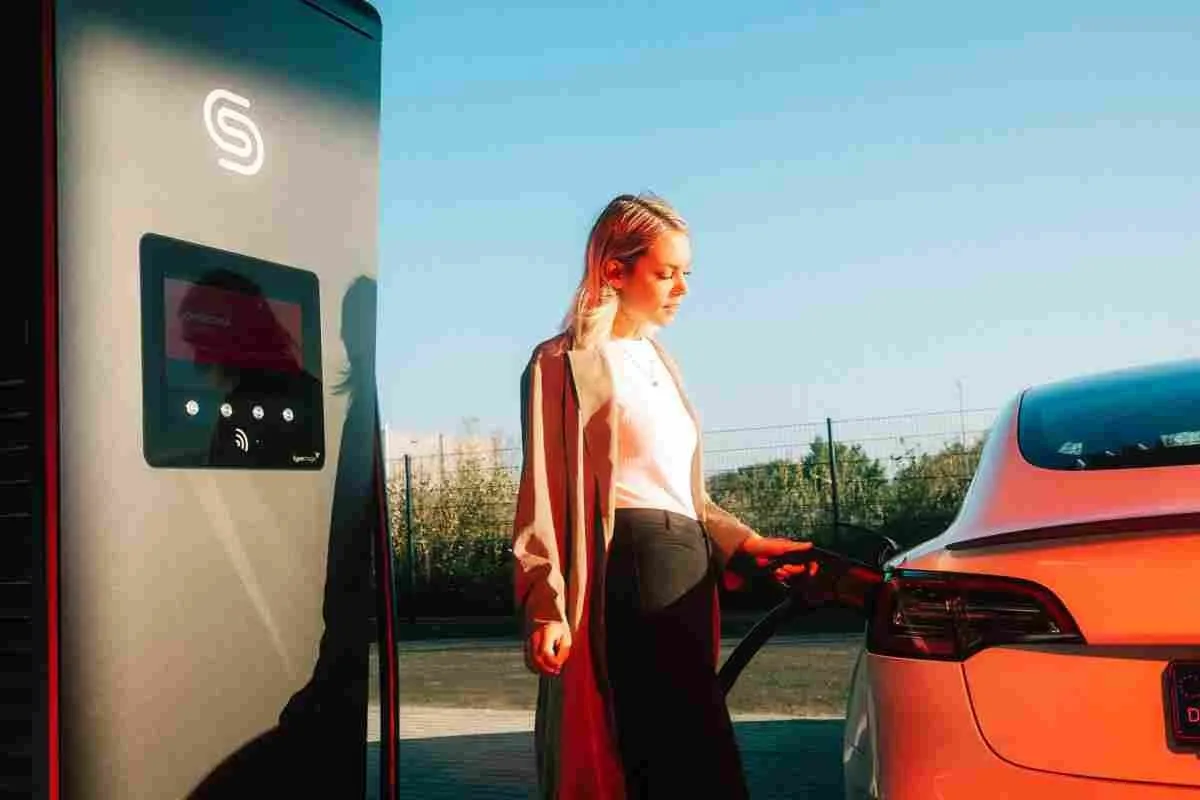
Safety is another major area where operators have room for improvement. Over 60% of respondents called for better lighting or video surveillance at charging stations. These are relatively simple measures, but they can make a significant difference for those who need to stop overnight.
The conclusion of the survey is quite clear. Electric cars already generate a high level of satisfaction among their users in Germany, and most do not find the transition from a combustion engine vehicle to be particularly complicated. The main drawbacks lie more in charging than in the cars themselves.
Autonomy remains important, especially due to variations that can occur with temperature, but for most drivers it is not a decisive issue. On the other hand, arriving at a charger only to find prices that are hard to compare, different payment methods, or a poorly lit station are situations that can quickly ruin the experience.
Germany’s charging infrastructure is growing rapidly, but the ADAC survey shows that simply installing more chargers is not enough. It is also necessary for them to be easy to use, for prices to be clear before charging begins, and for drivers to feel safe, especially at night.
For those who use electric cars regularly, these details can end up being much more important than some of the major debates about technology. The transition doesn’t depend solely on increasing range or adding more power: it also involves making it a simple, predictable, and comfortable experience to stop and recharge.