
Battery life needs to improve, not just range
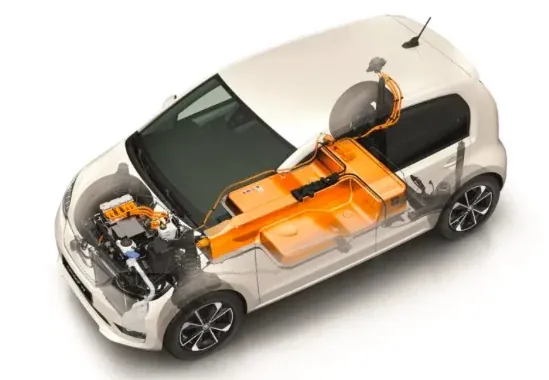
The battery life needs to improve, not just the range and prices, which are also crucial. Progress must be made in all these areas if we want electric cars to truly become widespread.
Battery life remains the biggest concern, even among used cars
A comment posted by a reader, Marco, is thought-provoking: “I had an electric car for 3 years. Now I’m returning it and getting one powered by GPL. Reluctantly. Because I was happy with the electric car. But the uncertainty of having a car that’s worth nothing in 5 or 6 years, along with the uncertainty of whether I’ll need to replace the battery, would wipe out all my savings. In fact, I’d likely end up losing money. So we’ll definitely see each other again with electric cars, but in the future. When technology will have surely changed and infrastructure will be everywhere…” This raises the widespread concern that batteries become unusable after a few years and need to be replaced. It’s also on this point that potential customers need reassurance through models that maintain cell capacity for longer. And with concrete real-world data, beyond the usual social media chatter, to reassure those considering buying an electric car.
Used electric car.Skoda Citigo with 89% battery capacity after 102,000 km
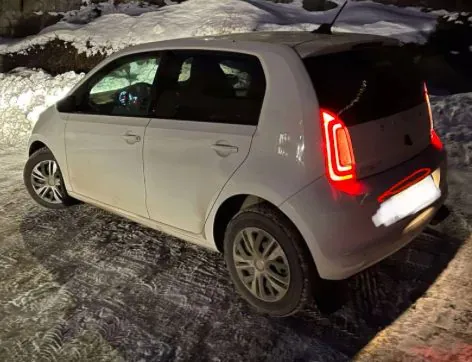
What’s the situation today? We’re dealing with the first wave of electric vehicles, those that are already a certain age and have accumulated significant mileage. Another example comes from another reader, Daniele, with his Skoda Citigo. At 102,000 kilometers, he calculates the total cost of fuel used. He estimates a savings of 7,000 euros just on charging compared to using fuel in his previous car. But what about the battery? “After almost 7 years and 102,000 kilometers of official testing, the battery is at 89%. If it maintains this level, I estimate it will last 200,000 kilometers at 82%, and 300,000 kilometers at 75%. My previous gasoline cars never reached 200,000 kilometers. Bought as a second car, it has covered more mileage than my other two gasoline/GPL cars.” The range is satisfactory: “I can easily drive 300 kilometers from April to September (I live in the north, near Lecco), and 230 kilometers in winter, with varying distances in the months in between.”
Battery life: Spring at 94% after 50,000 km
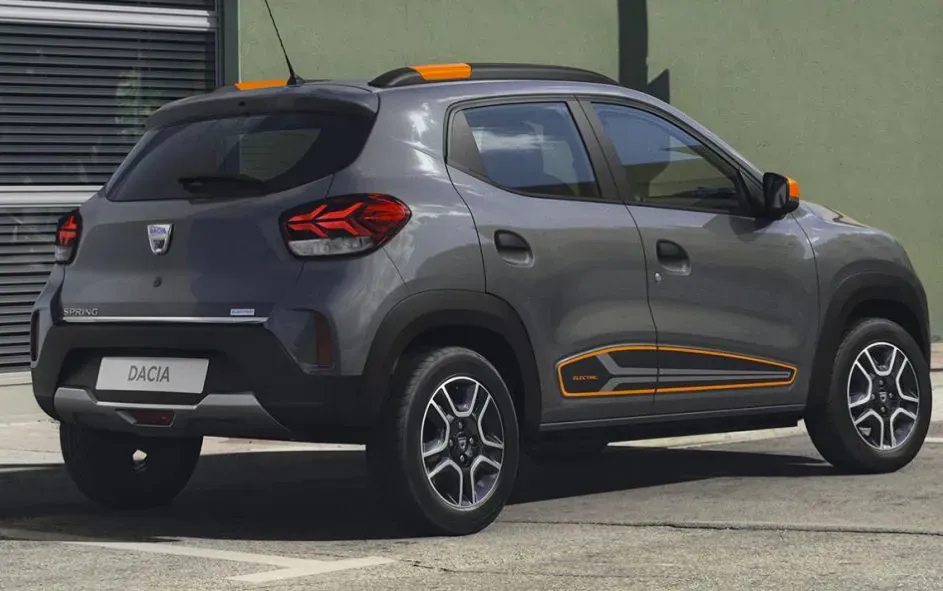
But it’s clear that a potential buyer looks at the battery’s remaining capacity, which in Daniele’s case dropped by -11% over almost 7 years. That’s a good figure, around 1 to 2% per year. It aligns with the averages shared by other drivers. For example, the French website Automobile Propre publishes a review from a reader who drove 50,000 km with a 2021 Dacia Spring. Everything was fine, and he was very satisfied with the actual range and charging costs. As for the battery, its remaining capacity is 94%, so the degradation rate is quite similar to that of the Citigo, considering the mileage. Not all cars are the same. We know that Teslas generally show better results. The same can be said by owners of Hyundai and Kia vehicles. But overall, more transparency is needed to determine if there’s truly improvement in this area. We’ll see in a while among those who have...
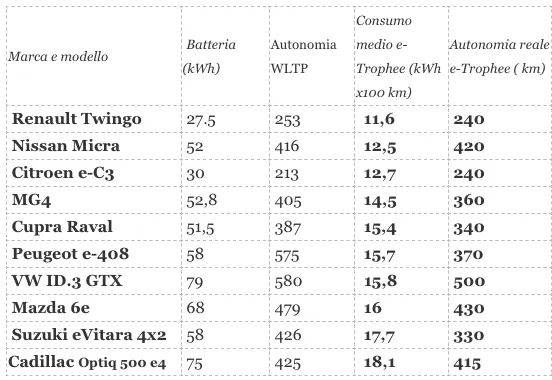
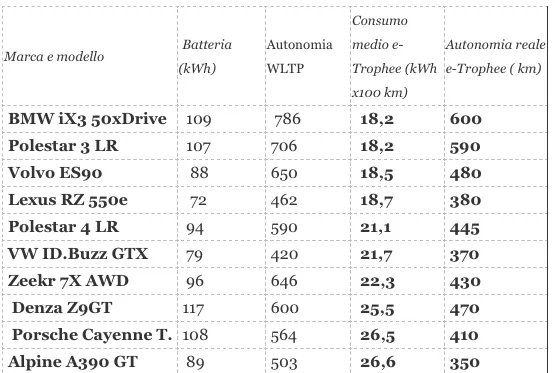
You can choose an R5 over the Zoe. Or an ID.Polo instead of the e-Up. Or even the new Spring versus the first version.– Also read: actual fuel consumption and range of 20 models
Previous article
Alpine enters the market with 4 new electric sports cars
Next article
Charging station incentives: rethinking technical and bureaucratic hurdles