
DGT sets date for its new variable speed system on Spanish highways: 120 km/h limit will no longer be guaranteed
24/09/2026 11:30
Updated to
24/09/2026 11:30
Driving on a Spanish highway does not always mean you can reach 120 km/h, even when traffic is light and there are no permanent restrictions. Starting from October 1st, the General Directorate of Traffic (DGT) will launch a new phase of testing for a system that allows adjusting the maximum allowed speed based on road conditions, with restrictions that may change throughout the same day.
The initiative will begin on two highways, the AP-7 and AP-2, which will have specific mechanisms to identify risky situations and communicate the corresponding restrictions through electronic panels. Speed limits may be reduced to 40 km/h under certain conditions, although this measure will not change the general limit of 120 km/h set for cars and motorcycles on these types of roads.
From 120 to 60 km/h: how DGT’s new variable speed limits will work
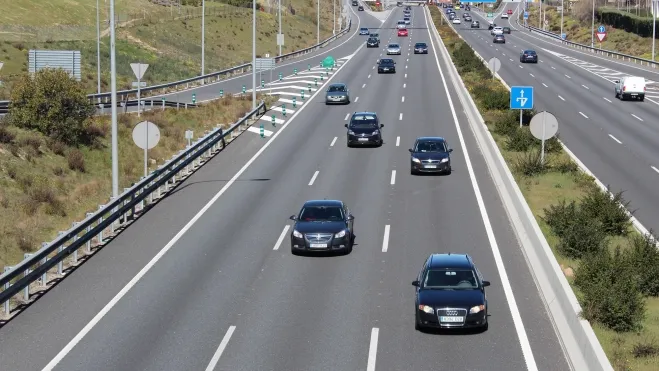
The AP-7 will be one of the first locations for this new phase of testing, featuring an automated system that allows adjusting the maximum allowed speed when traffic conditions could threaten safety. Its operation will be linked to the detection of accidents, congestion, adverse weather conditions, and visibility issues, enabling restrictions to be adapted to each situation without the need for a fixed limit throughout the route.
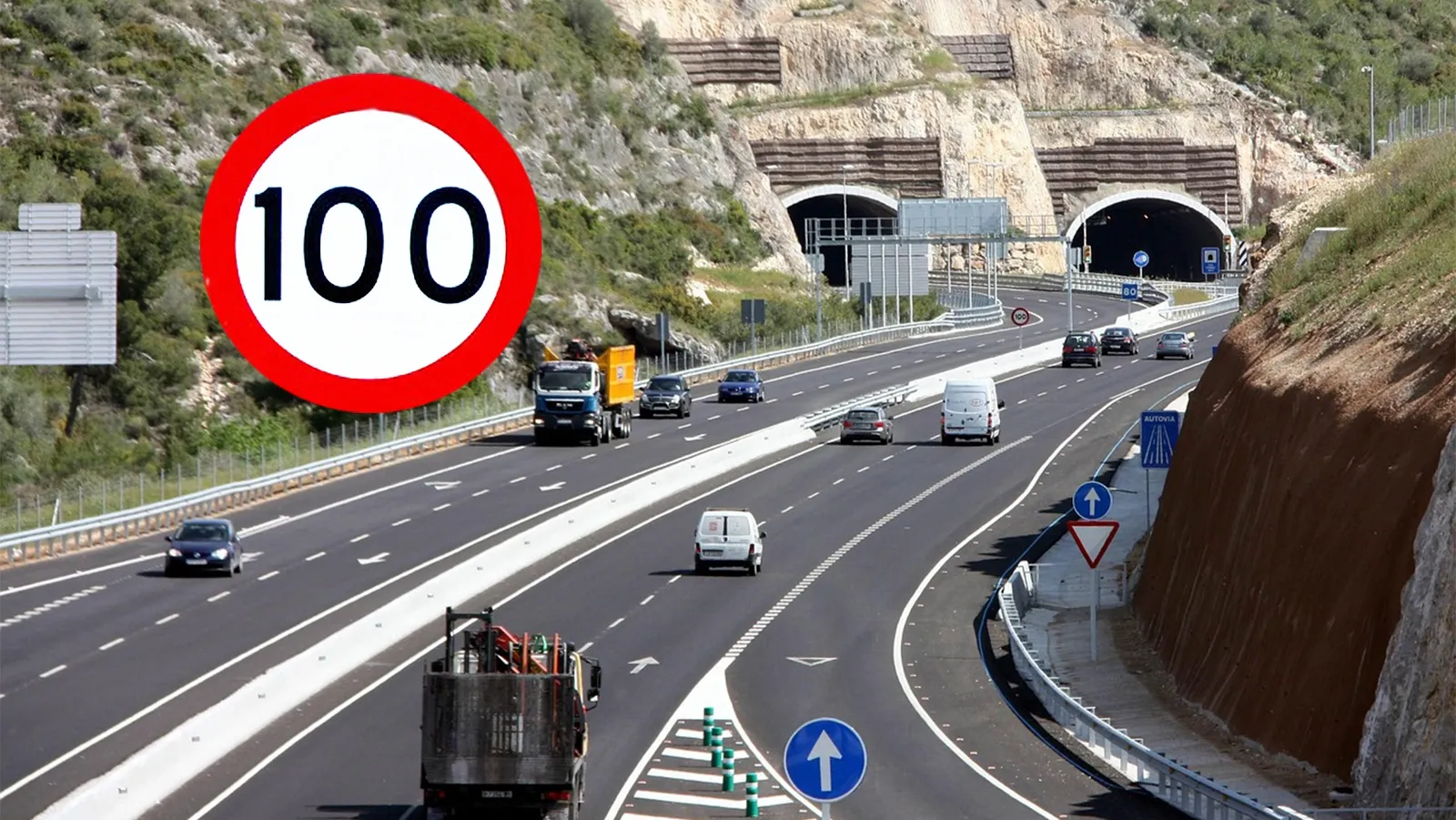
Depending on the detected circumstances, variable message signs can set limits of 100, 80, or 60 km/h, which must be respected while they remain active. In this way, the maximum allowed speed on the same stretch can change throughout the day, with the normal limit being restored once the situation that prompted the restriction is resolved.
The AP-2 will feature a different solution, designed specifically to reduce the risks associated with fog bank formation. The device will be tested on the section between Castelldans and Les Borges Blanques in Lleida province, where visibility can be significantly reduced during certain weather conditions, making it difficult to identify other vehicles and potential obstacles on the road.
In this case, the maximum speed will be reduced gradually as visibility conditions worsen, with a limit of 40 km/h potentially imposed during the most severe fog episodes. The goal is to adjust traffic flow to match the distance drivers can see, setting limits that correspond to weather conditions and allowing for speed reductions before entering affected areas.
The DGT is considering introducing variable speed limits on other Spanish roads as well
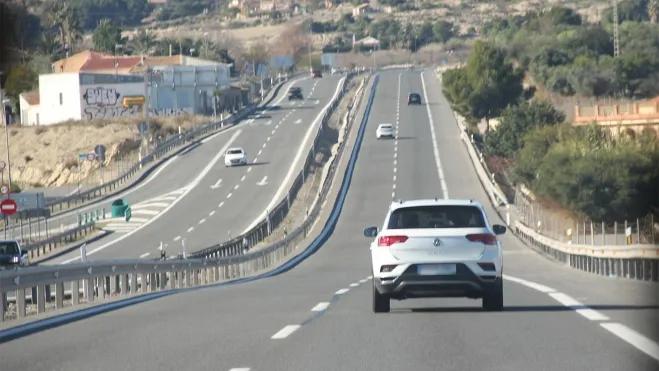
The deployment of both systems will allow testing their performance in different risk scenarios and analyzing the results of dynamic signaling under actual traffic conditions. The DGT aims to use the experience gained on AP-7 and AP-2 to study a gradual implementation of this technology on other Spanish highways, although no timeline has been set yet for expanding it to the entire road network.
For now, these changes will not result in a permanent reduction of the maximum speed on Spanish highways; rather, the speed limits will only apply when road conditions require it. Drivers should pay attention to the traffic signs, as the speed indicated at any given time will be mandatory and take precedence over the general road limit, regardless of whether the restriction is due to traffic congestion or adverse weather conditions.