
The DGT has changed the rules, and the crane industry is responding harshly: “We don’t know if we’ll be able to go home.”
25/09/2026 14:30
Updated to
25/09/2026 14:30
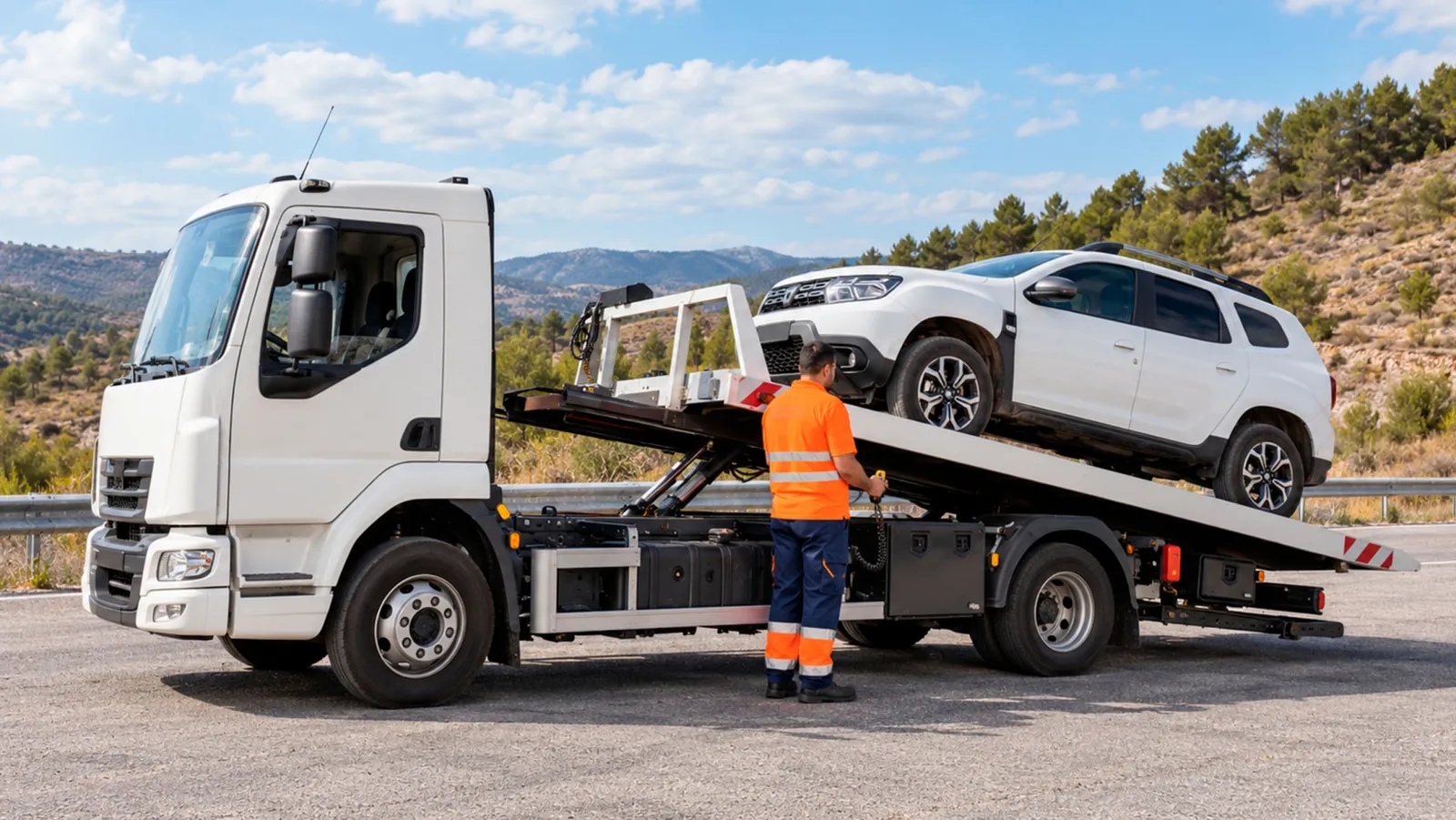
Working for several minutes next to vehicles that continue moving at high speeds remains one of the main risks for road assistance professionals. The latest changes introduced by the DGT to the General Traffic Regulations add new obligations for those carrying out road repairs, but the industry believes that protection still remains insufficient.
The National Road Assistance Alliance has called for a specific plan for these workers due to this issue, including increased surveillance, improvements to infrastructure, and closer coordination among the various services involved in emergencies. The organization argues that current regulations still do not adequately address a situation where their professionals are forced to work directly on the road or just meters away from traffic.
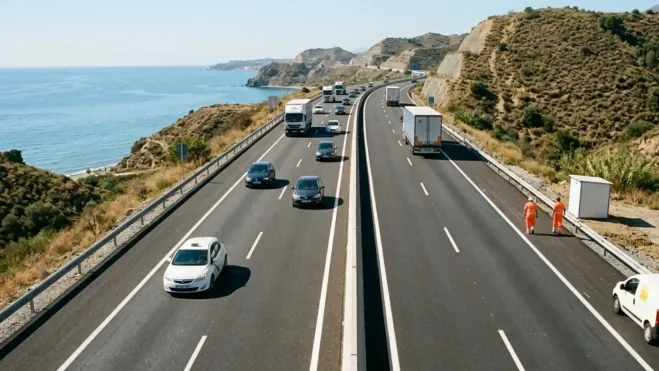
The new regulation requires drivers to move aside and slow down when passing by a crane.
The update to the General Traffic Regulations does include a measure directly related to these interventions. Vehicles passing by another vehicle that is stationary due to an accident, malfunction, rescue work, maintenance, or traffic regulation must maintain at least 1.5 meters of lateral distance and reduce their speed by at least 20 km/h below the limit set for that section.
The Alliance believes, however, that this change does not address all the needs of the community. Its criticism comes as DGT expands other systems designed to protect workers carrying out tasks on roads, including connected cones used in construction and maintenance work, which can send their location to the connected traffic system to alert approaching vehicles.
It is precisely this difference that has caused dissatisfaction among crane operators. The organization’s spokesperson, Xavier Martí, claims that operators are left “at the mercy of luck” every time they must leave the vehicle to assist a driver, and he calls for specific protective measures similar to those provided for other workers exposed to traffic.
The industry also questions how accidents are counted
In addition to concerns about regulations, there is also worry over accident statistics. The Alliance argues that there are discrepancies between officially recorded collisions and fatalities and the cases documented by companies and media over the past few years, hence it calls for a system that allows for more accurate tracking of how many professionals suffer accidents while providing emergency services.
The DGT itself acknowledges that these operations pose risks to both workers and other road users. Specific regulations for roadside assistance require, among other measures, telecommunicating the location of the stalled vehicle, using specific signage, and carrying out interventions while always avoiding the side closest to traffic flow whenever possible.
More information for drivers and greater protection during interventions
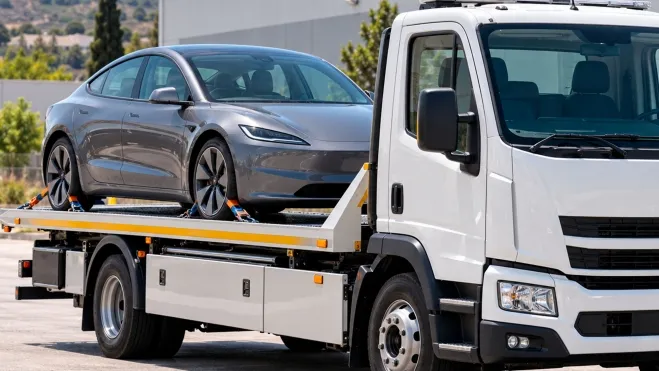
The Alliance also calls for road safety campaigns that explain how to behave when approaching a crane performing work. The request mainly involves reducing speed well in advance, increasing lateral distance, and changing lanes whenever road conditions permit it.
Digitalization already allows for the detection of many such situations before reaching the site of the incident. DGT 3.0 integrates information from V16 beacons, connected cones, and road assistance vehicles, and the General Directorate of Traffic itself recorded millions of communications related to cranes in operation during 2025. The industry now calls for this ability to anticipate danger to be accompanied by additional measures specifically aimed at those who must work outside their vehicles.