
DGT announces changes taking effect on October 1: new rules for overtaking cyclists, motorcycles, and scooters
The General Directorate of Traffic has used this September 24th to introduce the main updates to the General Traffic Regulations related to protecting vulnerable road users. The reform was approved by the Council of Ministers on June 23rd last year, but it will not be until October 1st, 2026, that many of the new requirements come into effect.
The changes affect common situations both on roads and in cities. Among the key updates are new requirements for overtaking cyclists, changes to the obligations of drivers and users of personal mobility vehicles, specific regulations for driving during snowstorms, and the creation of so-called emergency lanes in cases of traffic congestion.
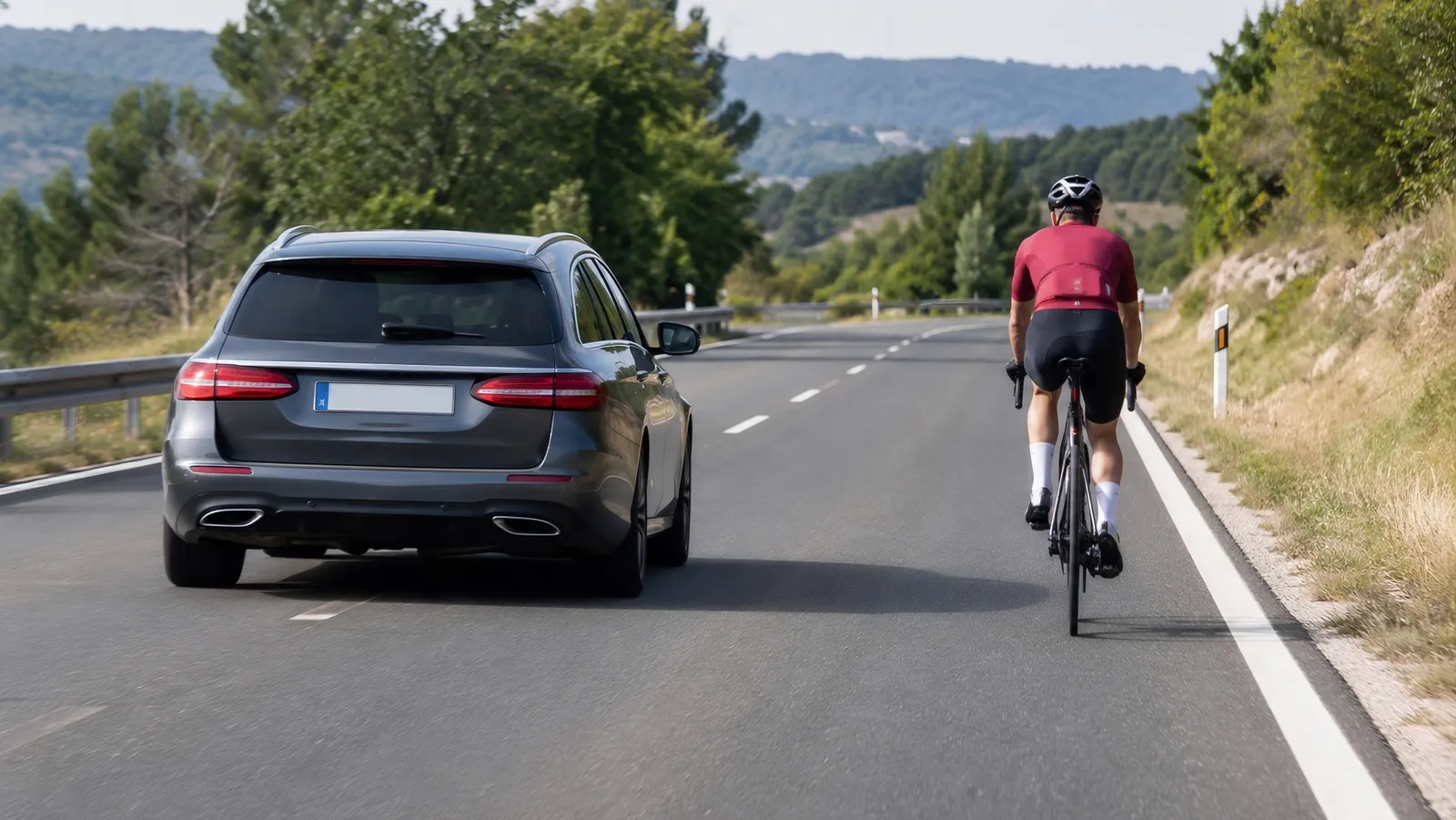
Overtaking a cyclist requires reducing speed by 20 km/h
In addition to this new requirement, there is already the existing obligation to maintain a minimum lateral separation of 1.5 meters. When the road has more than one lane in each direction, the driver must make a complete lane change to overtake. Furthermore, the reform sets a minimum distance of five meters from cyclists traveling ahead of the vehicle in the same lane.
The obligations for cyclists themselves also change. The new regulations eliminate the exceptions that previously allowed riding without a helmet under certain circumstances on interurban roads, meaning its use will now be mandatory on highways. Workers who use bicycles for deliveries or other professional activities must also wear reflective vests at all times. Failure to comply with these obligations is considered a serious offense and can result in a fine of 200 euros.
In cities, the regulations also state that cyclists should ride primarily in the center of the lane, a measure aimed at increasing their visibility and reducing risks from collisions with other vehicles.
Motorists will also have new obligations. The reform requires the use of closed-toe shoes on all types of roads and mandates the use of protective gloves on interurban highways, though this latter requirement will not take effect until a ministerial order specifying its technical details is approved.
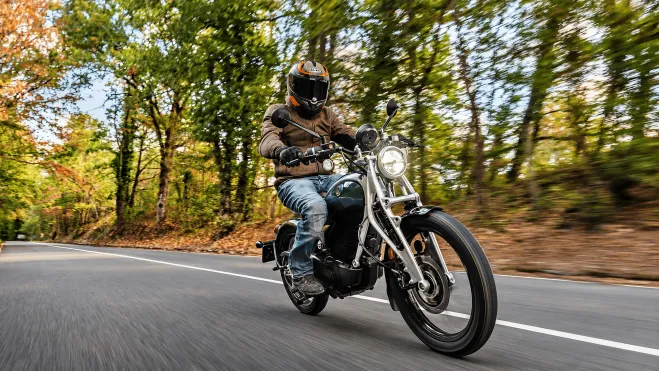
Motorcyclists will also be required to use approved helmets, although this measure will not take effect until October 1, 2027. Another new rule allows motorcycles to travel on the shoulder at a maximum speed of 30 km/h under certain traffic congestion conditions, provided that the section is specifically designated and marked for such use.
New rules for e-scooters, traffic jams, and snow conditions
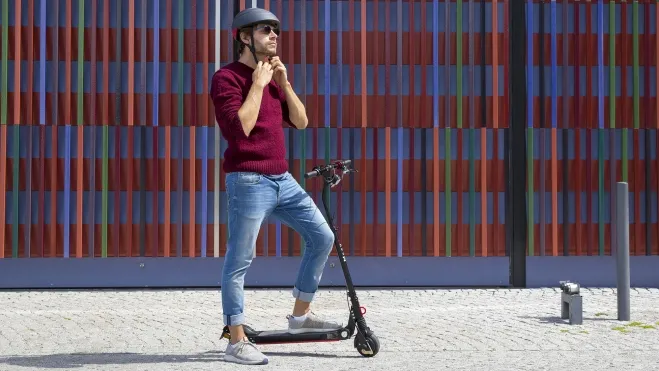
The reform also tightens regulations on personal mobility vehicles. The DGT sets a minimum age of 15 years to operate a VMP and mandates the use of helmets. Additionally, reflective vests must be worn at night or in low-visibility conditions.
Professional users who operate scooters, bicycles, mopedes, or motorcycles must always wear helmets and reflective vests. The regulations also require that VMPs keep their lights on while driving, although this specific requirement will be postponed until October 1, 2027.
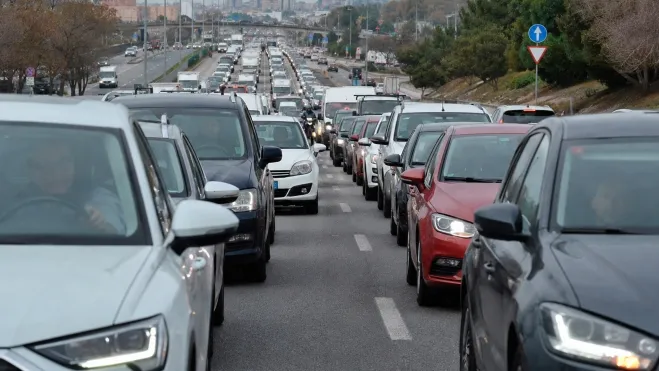
Another significant change is the regulation regarding the so-called emergency lane. When there is a traffic jam and vehicles are moving at pedestrian speed or remain stopped, drivers should move to the sides of the road to clear a central lane for ambulances, firefighters, police, and other emergency services to pass through.
The reform also introduces changes during snowstorms. In such situations, overtaking will be prohibited, and vehicles must travel only in the right lane, leaving the left lane free to facilitate emergency and maintenance services. It also changes the rules for passing vehicles that are stuck on the road. In these cases, a minimum lateral distance of 1.5 meters must be maintained, and the speed must be reduced by at least 20 km/h below the road’s speed limit.
Although the reform was approved in June, the key date for drivers is October 1, 2026, when most of these changes will take effect. Some requirements, such as mandatory lighting for VMPs or the requirement for approved helmets for motorcyclists, will be delayed until October 1, 2027, while the mandatory use of certain gloves for motorcyclists will have to wait for the corresponding ministerial order.
The DGT is presenting these changes alongside the Spanish Federation of Municipalities and Provinces and representatives from cycling, motorcycling, pedestrian, and personal mobility vehicle groups, with the aim of explaining a reform that will directly affect a large portion of road users starting next month.