
Spain’s contradiction: subsidies for diesel and gasoline while Spaniards are urged to switch to electric cars
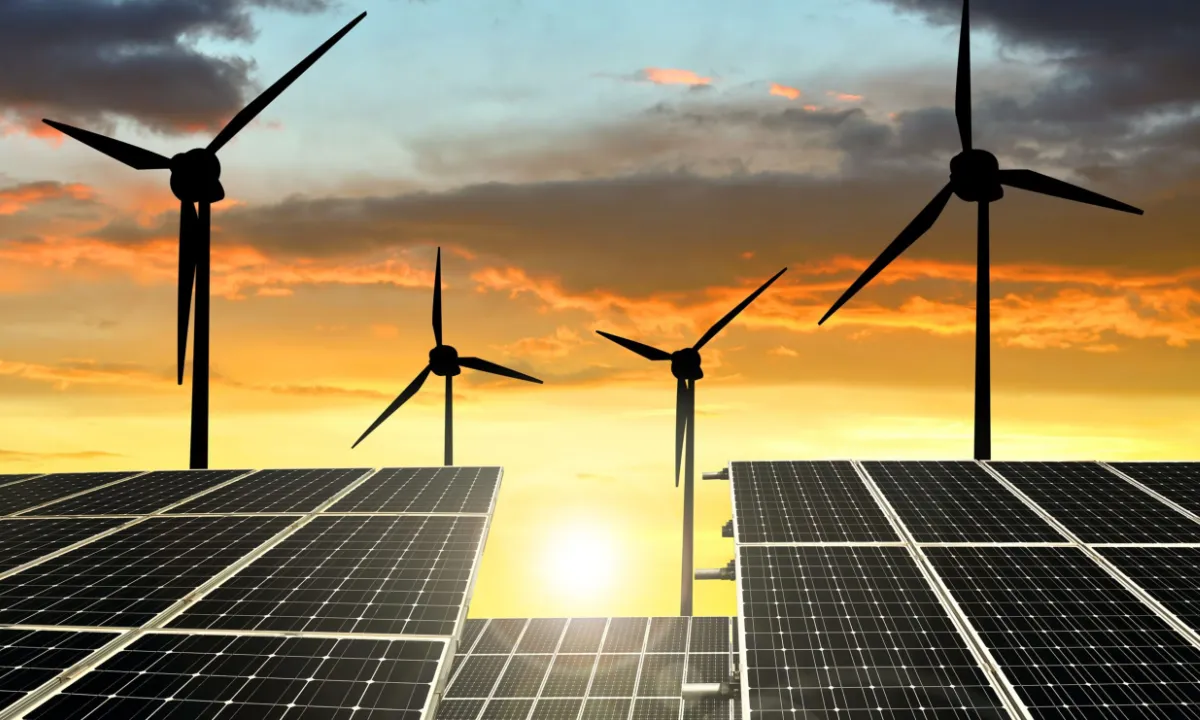
Spain has been talking about electrification, renewable energy, and reducing our dependence on oil and gas for years. The problem is that while it’s clear where we want to go, it’s quite different to ensure that the decisions made along the way are consistent with that goal.
It’s difficult to advocate for a transition to electricity when we continue to use subsidies, taxes, and temporary measures that may make it more attractive to keep using fossil fuels. If we want to stop relying on things we have to import, it makes sense to facilitate the use of what we can produce within our own country.
Spain has an advantage that many other European countries cannot match in the same degree: sunlight, wind, and an increasingly large renewable energy capacity. We have the possibility to generate large amounts of electricity using our own resources, but we still face a much more troublesome issue: we are not utilizing all that potential at the pace we could.
Electrification isn’t just about replacing a gasoline car with an electric one. It also means electrifying factories, heating systems, transportation, data centers, and everything else that still relies directly on oil or gas. To achieve this, we need much more electricity, as well as a grid prepared to transport that energy.
This highlights one of the major challenges Spain will need to address in the coming years. We may have renewable energy available, yet still lack sufficient grid capacity to deliver it where it’s needed. There are industrial projects waiting for connections, new facilities requiring power, and an electricity demand that is set to grow rapidly.
The situation is particularly striking in the case of data centers and artificial intelligence. While Europe tries to attract investments related to these technologies, energy availability is becoming one of the key factors determining where new projects can be established. The same holds true for industry: a company may want to electrify its processes, but it needs sufficient power to do so.
That’s why it’s not enough to keep building solar and wind farms. Investments must be made in the grids, and they need to happen before all that demand arrives. Waiting for a factory, data center, or thousands of new consumers to request connections before starting to expand infrastructure means arriving too late.
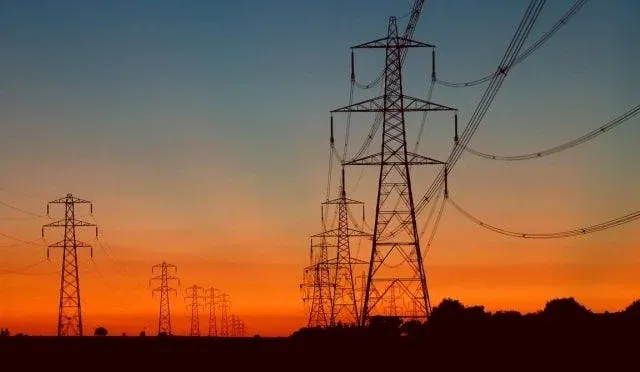
We also need to make much better use of the network we already have. If a particular infrastructure can handle higher demand, it should be utilized to its full capacity before considering new investments. It doesn’t make much sense to have renewable energy capacity available while certain areas of the country struggle to connect new projects.
And here too, the price of electricity comes into play. If we want to electrify the economy, electricity must be competitive. It doesn’t seem very reasonable to impose costs on it that end up raising the price of exactly the energy we want to use more and more, while measures are taken to artificially keep fuel prices down.
The energy transition needs clear signals. If we want a family to switch from a gasoline car to an electric one, a company to abandon gas, or an industry to replace fossil fuels with electricity, the system must make those decisions economically sensible as well.
How much is diesel actually subsidized in Spain?
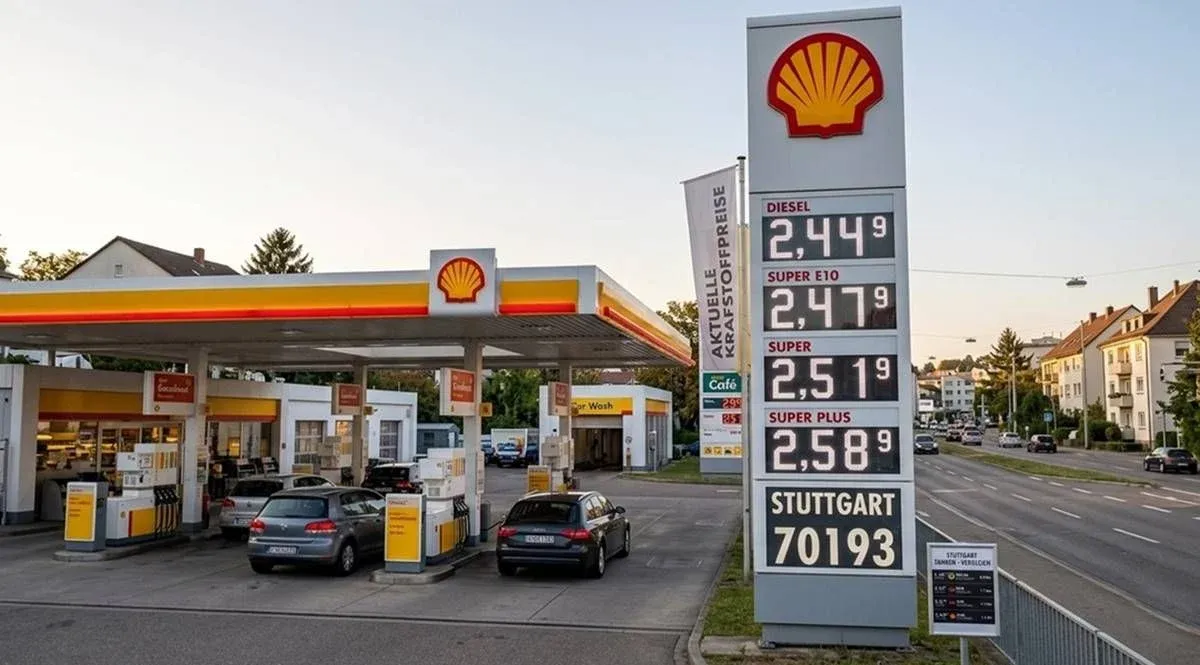
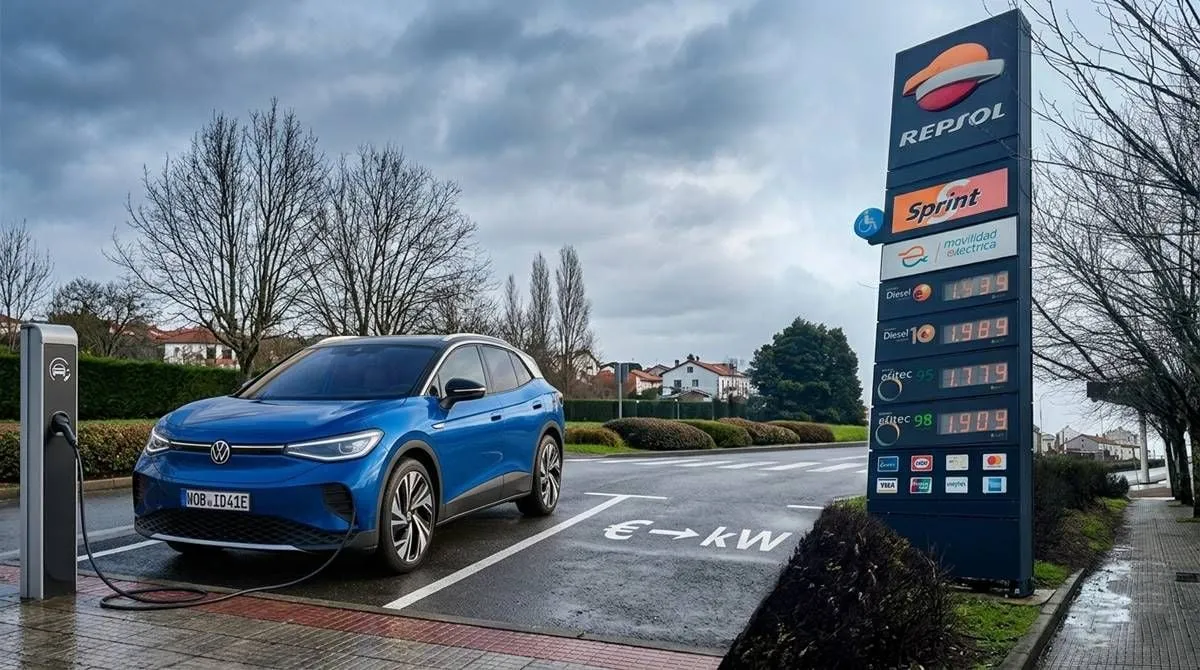
The government urges us to switch to electric cars, though not very enthusiastically, yet at the same time it continues to spend or fail to collect a huge amount of money in support of fossil fuels. In October 2026, diesel benefits from a tax reduction of 20 cents per liter, while transportation professionals eligible for commercial diesel receive an additional special subsidy of 5 cents per liter during that month. In total, this group receives 25 cents per liter in direct or tax-related support. But this is only part of the subsidies.
This is in addition to VAT. Using diesel at 1.90 euros per liter as a reference, the VAT included in that price is around 33 cents. If a professional can deduct 100% of the VAT on fuel used for their business, they would recover approximately those 33 cents, resulting in a combined effect of around 58 cents per liter. This means the government covers 30% of the diesel cost. And that is a significant amount of money every day.
This does not mean that all consumer support should be eliminated at once. There are situations where it is reasonable to protect families and certain sectors from rising costs. But helping those in need is one thing, while continuing incentives that delay technological change for years, with zero or almost no investment in transforming key sectors like agriculture, is something entirely different.
Spain now has a rare opportunity. It possesses vast renewable energy capacity, a significant energy industry, and an increasing number of projects that require electricity. Electricity could become one of our major competitive advantages over the rest of Europe.
But to achieve this, we must stop viewing it solely as an energy issue. It is also an industrial, economic, and strategic matter. The more electricity we can produce competitively and deliver to businesses and consumers more easily, the less exposed we will be to oil and gas imports.
It will also change something as everyday as mobility. Electric cars are just one part of this process, but they will likely be one of the most visible aspects. Their expansion will depend not only on vehicle prices or charging infrastructure but also on whether the electrical grid is ready to accommodate millions of new consumers.
The debate, therefore, is whether Spain can afford to continue wasting billions of euros each month on subsidies for fossil fuels, which only prolongs the suffering of our economy that is heavily dependent on events thousands of kilometers away. All this while we have the capacity and technology to significantly reduce that dependence and prevent geopolitical changes from hurting Spanish households so much.
