
China begins a gradual reduction of incentives for electric vehicles.
China is beginning to gradually reduce some of the tax incentives that have supported the adoption of new energy vehicles for over a decade. For example, as of September 1, lithium batteries are subject to a 2% consumption tax, with plans to double this rate within a year.
This is another step in a process of scaling back incentives that will also affect purchase taxes and annual vehicle taxes.
The first tightening, but only on lithium batteries
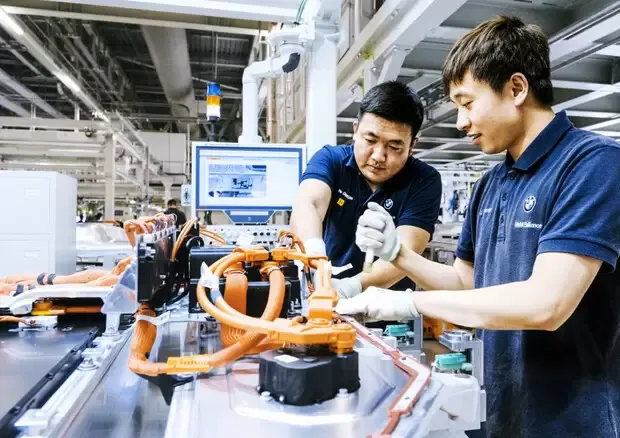
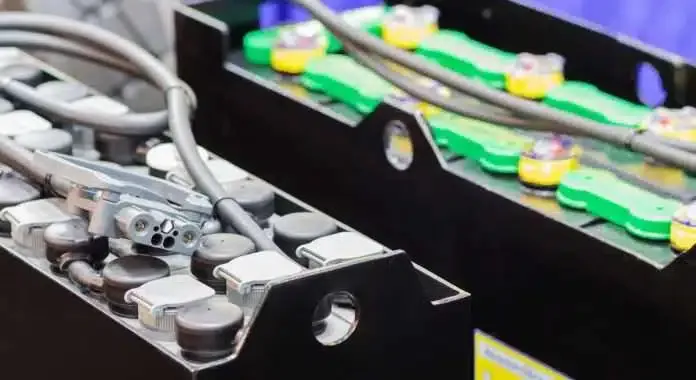
The latest measure applies to primary lithium batteries and rechargeable lithium-ion batteries, which will fall under the consumption tax regime starting September 1, 2026, at a rate of 2%. Starting in September 2027, the tax rate will rise to 4%, in line with the standard rate applied to batteries.
This marks the end of a particularly favorable tax treatment for lithium batteries that supported the growth of China’s electric vehicle and energy storage industries.
The direct impact on a vehicle’s price, however, needs to be measured carefully. Based on a 60 kWh battery, estimates suggest an increase in cost of around 438 yuan, which is slightly more than 60 euros, at a 2% tax rate.
The same regulations continue to exempt sodium batteries, solid-state batteries, and fuel cell vehicles’ cells until the end of 2028. This is an industrial policy choice: taxation becomes a tool to support technologies deemed strategic for the next phase of electrification.
China produces three new EVs per day. CATL: battery quality at risk
The exemption from purchase tax ended in January
The tightening on batteries follows an earlier major revision to the incentive system. Starting January 1, 2026, the exemption from purchase tax on new energy vehicles was replaced by a 50% reduction.
The change does not mean the end of fiscal support for electric vehicles. Even under the new regime, there remains an advantage over vehicles with internal combustion engines, though the size of the incentive gradually decreases as the penetration of NEVs rises.
It is also important to note that these incentives are not reserved for Chinese manufacturers. Vehicles produced in China by international brands such as Tesla, Volkswagen, and Toyota can also benefit from them.
The annual tax will also change in 2027
Another change is scheduled for January 1, 2027, when further reductions will be applied to the incentives related to vehicle and vessel taxes.
The 50% reduction planned for efficient vehicles will be phased out, and certain exemptions for electric cars, plug-in hybrids, range extenders, and fuel cell commercial vehicles will be removed.
The Chinese advantage isn’t just in pricing
Focusing solely on purchase incentives risks underestimating the uniqueness of China’s system. The competitive advantage of electric cars in China is also supported by an ecosystem where charging infrastructure, power grids, and battery swap services have reached a scale hardly comparable to that in Europe.
There is also a specific tax factor: vehicles that do not use gasoline or diesel do not contribute in the same way to funding urban road maintenance related to fuels.
There are therefore various levels of support that have accompanied the spread of NEVs, and not all can be classified as a simple “car bonus.”

Beijing prepares the market for the next phase
The gradual reduction in incentives should also be viewed in light of the maturity of China’s electric vehicle market. After years of growth driven by industrial, fiscal, and infrastructure policies, the government is beginning to shift the focus of the system from direct demand support to a market where electric technologies are already widely adopted.
For Europe, this figure is interesting for another reason as well. Chinese cars entering the European market do not automatically benefit from Chinese tax incentives, as those measures apply only to the market and production in China. At the same time, the gradual reduction of subsidies does not erase the industrial advantages built over the years in the battery, component, and infrastructure sectors.
READ ALSO: “My First 20,000 km in the Xpeng G6: I Entered the Future” and watch the VIDEO
Previous Article
"My First 20,000 km in the Xpeng G6: I Entered the Future"
Next Article
Zero, CCS Revolution: Charging in Half an Hour. Now Available for “Old” Motorcycles Too