
China does not want its automakers to trigger a price war in Europe.
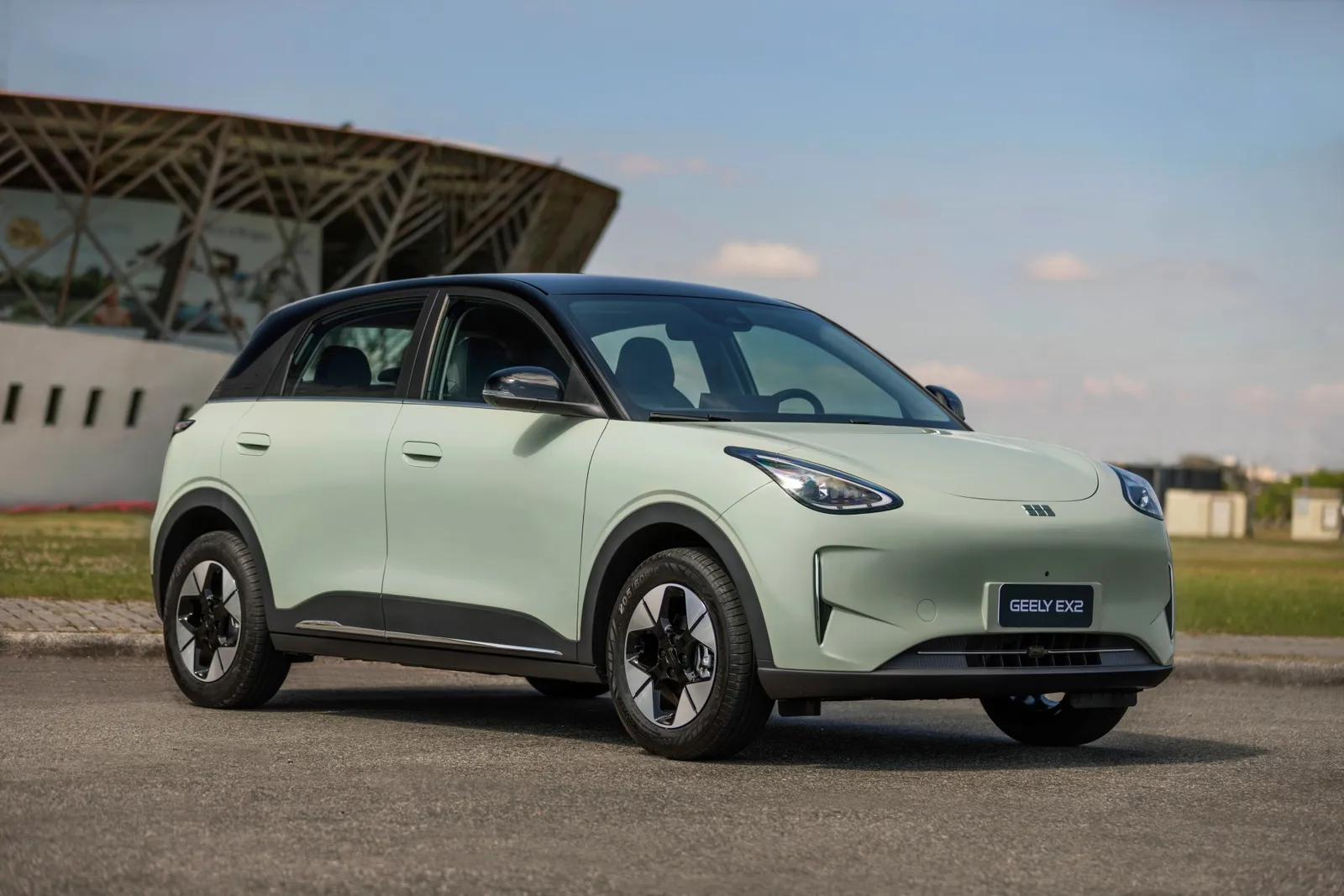
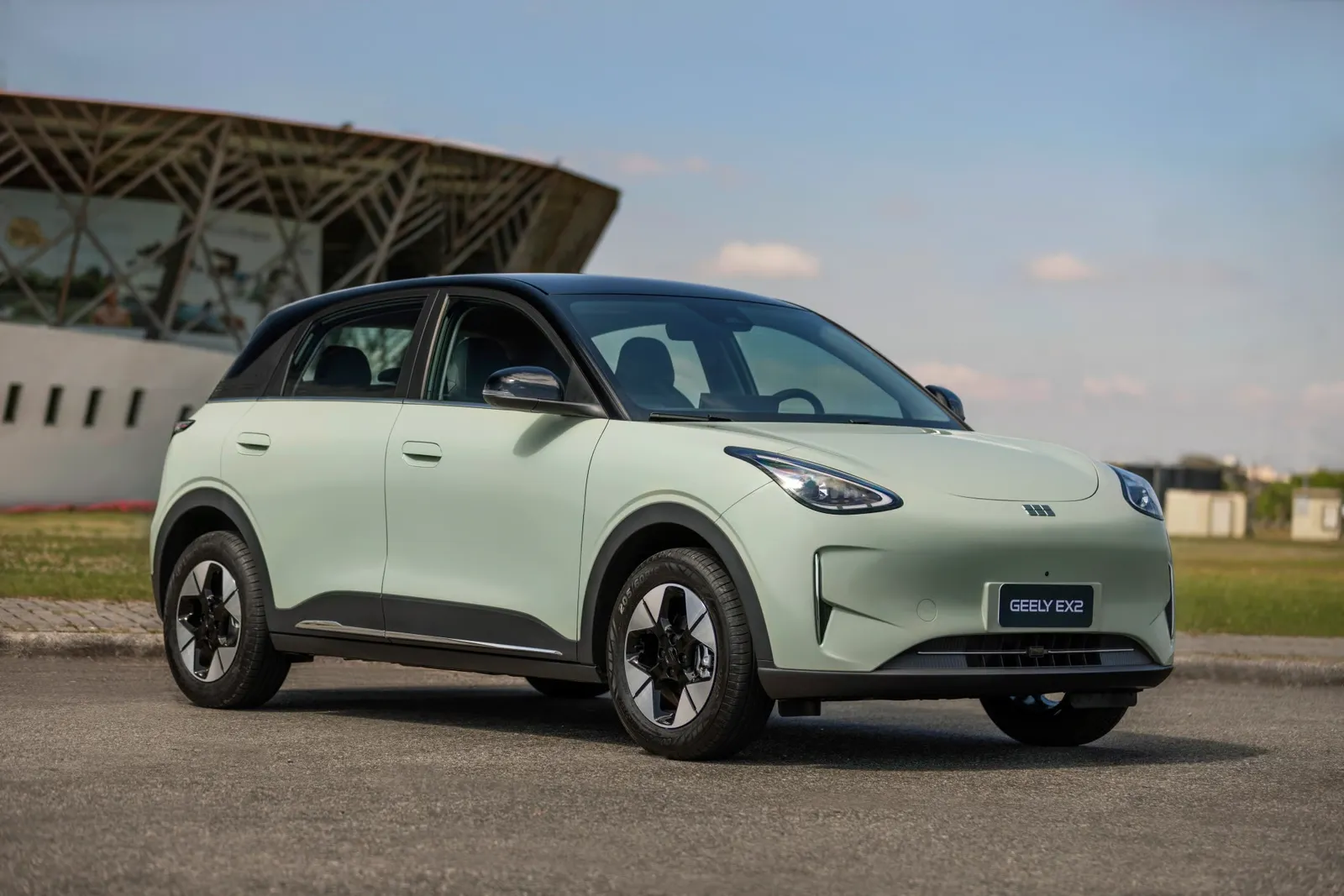
It is obvious to everyone that every launch of a new Chinese model emphasizes price. This situation has not gone unnoticed in Beijing, which is determined to prevent the spread of the price war raging within China.
An increase in models, expansion of dealer networks, establishment of factories... Chinese automakers have become indispensable in Europe and elsewhere. Their market share is rising rapidly, sometimes even too fast for them. Everything seems fine... well, almost. With the Chinese market in decline for several months now, automakers are relying increasingly on sales abroad. This is a concern for the Chinese government.
Also read
Chery introduces the cheapest hybrid SUVs in their category in France
These automakers are giants with fragile foundations. On one hand, there are numerous startups that were encouraged to emerge in the mid-2010s and are only now starting to make profits. On the other hand, there are older industrial conglomerates supported by public institutions—whether the state, provinces, or municipalities—depending on the case. They all share one thing in common: no one is making money by selling cars in China these days.
What was once a goldmine for foreign automakers has turned into a nightmare. For foreign brands, obviously, as they can no longer justify their higher prices. And for Chinese manufacturers trying to convince customers in a market flooded with supply.
Loss of credibility
Beijing therefore wants to prevent this situation from spreading to other continents, as rivalries intensify among companies like BYD, Geely, Chery, and SAIC. The goal is not to avoid destroying the automotive industries of other countries. Beijing mainly wants to ensure that the current situation does not turn into a fleeting trend.
The aim is to capture markets as well as the entire industrial chain. Rising production volumes lead to the establishment of assembly plants, which will gradually be supported by suppliers—also primarily Chinese ones. Conquering the world should benefit not just car manufacturers but the entire industry.
Also read
Geely E2: an electric city car with a low price and good features, but its range may be disappointing
A price war can have detrimental consequences for everyone. With its constant price changes, a price war leads to a loss of trust, which can be exacerbated by the closure of struggling brands. As we already see in China, this has already resulted in quality issues. BYD and Geely have recently been criticized on this matter by Beijing.
Beijing has therefore issued a sort of code of conduct. It is a set of four-chapter reminders covering areas such as marketing, price changes, relationships with dealerships, quality, employment, data security, and more. But it is not a law.