
Daimler Truck’s CEO warns Europe: CO2 fines could have serious consequences for the company
27/09/2026 12:15
Updated to
27/09/2026 12:15
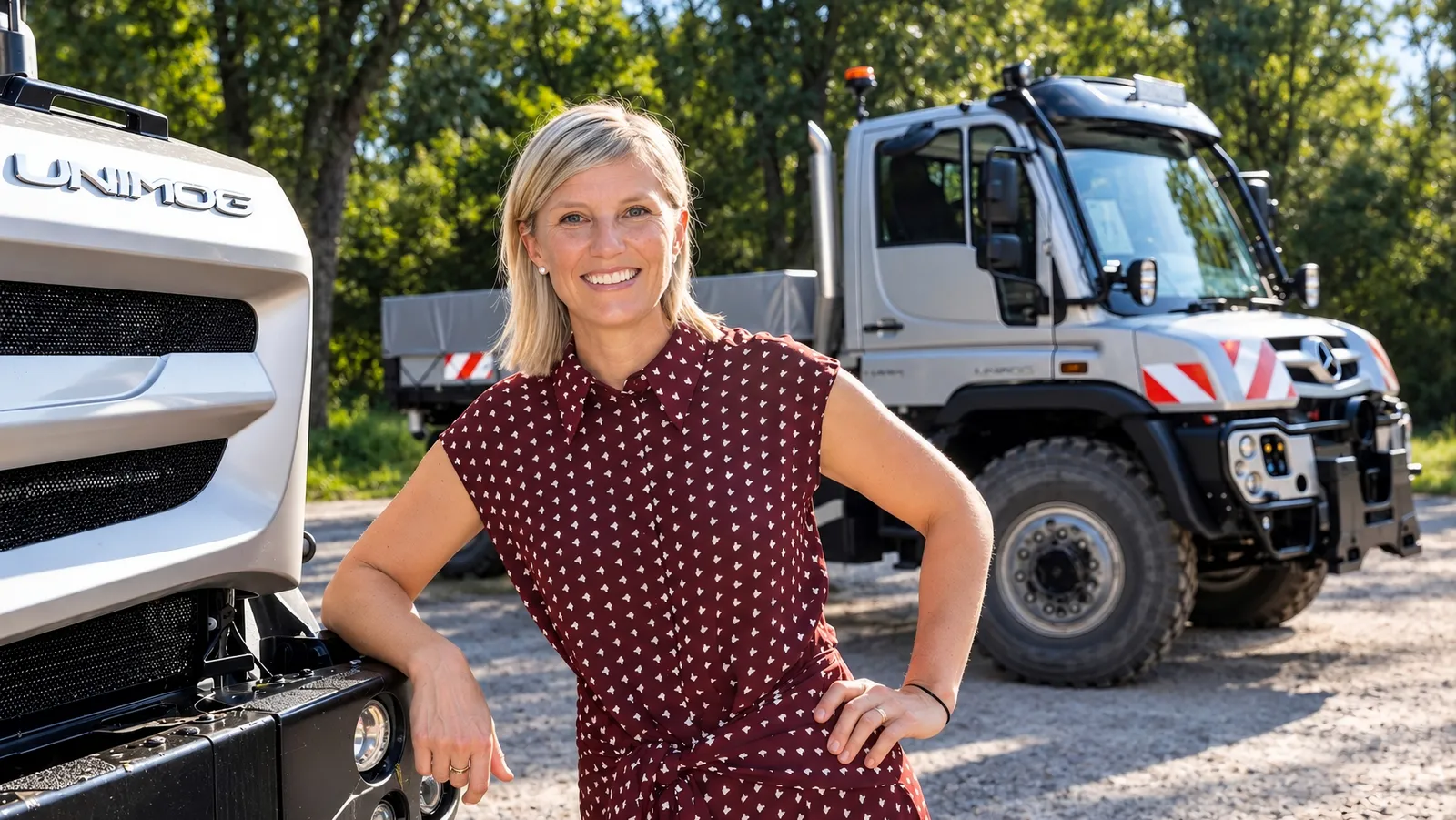
The transition to zero-emission trucks is progressing in Europe, but significant obstacles still exist preventing electric vehicles from competing on equal terms with diesel ones. This is the view of Karin Rådström, CEO of Daimler Truck, who has issued a serious warning about the potential consequences for the company under Europe’s current system of CO₂ emission targets and penalties.
In an interview with Handelsblatt, she explained that each percentage point of deviation from European targets would result in fines of around 120 million euros for Daimler Truck. This means a deviation of ten points could raise the cost to approximately 1.200 million euros, a figure similar to Mercedes-Benz Trucks’ annual global profit.

Diesel trucks remain cheaper in many cases
Daimler Truck does not question the need to reduce emissions from heavy transport, but believes that the conditions necessary for a transition at the pace demanded by Brussels are still lacking. One of the main issues lies in the operating costs of these vehicles.
According to Rådström, in around 70% of cases a diesel truck remains more cost-effective than an electric one when considering the total ownership cost. This difference is particularly significant in a sector like road transport, where many companies operate with narrow profit margins and any increase in costs can directly affect vehicle selection.
Taxation adds to this issue. Thirteen European Union countries currently apply different toll rates for electric and diesel trucks, although Daimler Truck believes that only about half of them offer sufficient advantages to make electric vehicles truly attractive.
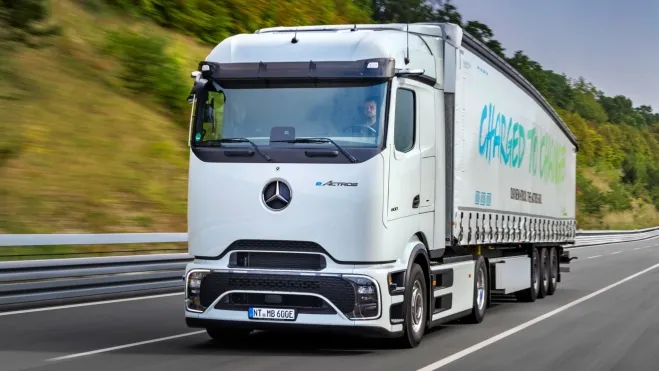
Infrastructure is another major obstacle. Daimler Truck estimates that Europe will need around 35,000 public fast-charging stations for trucks by 2030, whereas there are currently less than 2,000. The gap between these two figures explains much of the manufacturer’s uncertainty about whether it can meet European targets within the current timeframe.
Rådström believes delaying some of these targets until 2033 would buy time to deploy the necessary infrastructure and create better conditions for transportation companies to adopt electric vehicles. However, the CEO of Daimler Truck insists the company has no intention of slowing down decarbonization or lowering Europe’s climate ambitions. Her argument is that regulatory targets must progress alongside infrastructure development and the economic conditions that make it possible to replace diesel trucks.
Daimler Truck bets on batteries and hydrogen
The company also does not believe there is a single technology capable of completely replacing diesel in heavy transportation. While battery-electric trucks are increasingly entering the market, Daimler Truck remains committed to hydrogen as well.
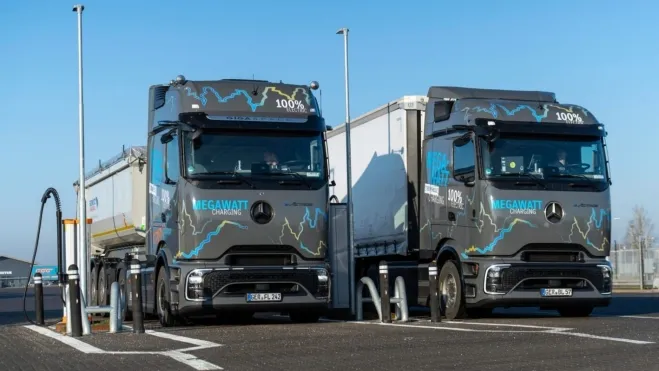
Rådström puts it clearly: “It’s not about batteries or hydrogen.” The company believes both technologies will be necessary to reduce emissions from heavy transportation. Hydrogen trucks can offer ranges of over 1,000 kilometers, reduce the weight needed for energy storage, and allow shorter refueling times.
The importance of each technology will depend, among other factors, on the cost of electricity and hydrogen, as well as the development of their respective infrastructure. Daimler Truck claims to have invested billions of euros in developing zero-emission vehicles and adapting its factories, but it warns that truck supply alone is not sufficient. Without rapid expansion of the charging network and more favorable economic conditions, the manufacturer fears that European targets may outpace the actual market development.