
Electric vehicle charging enters the megawatt era: XPeng launches its first 1,000 kW charging station
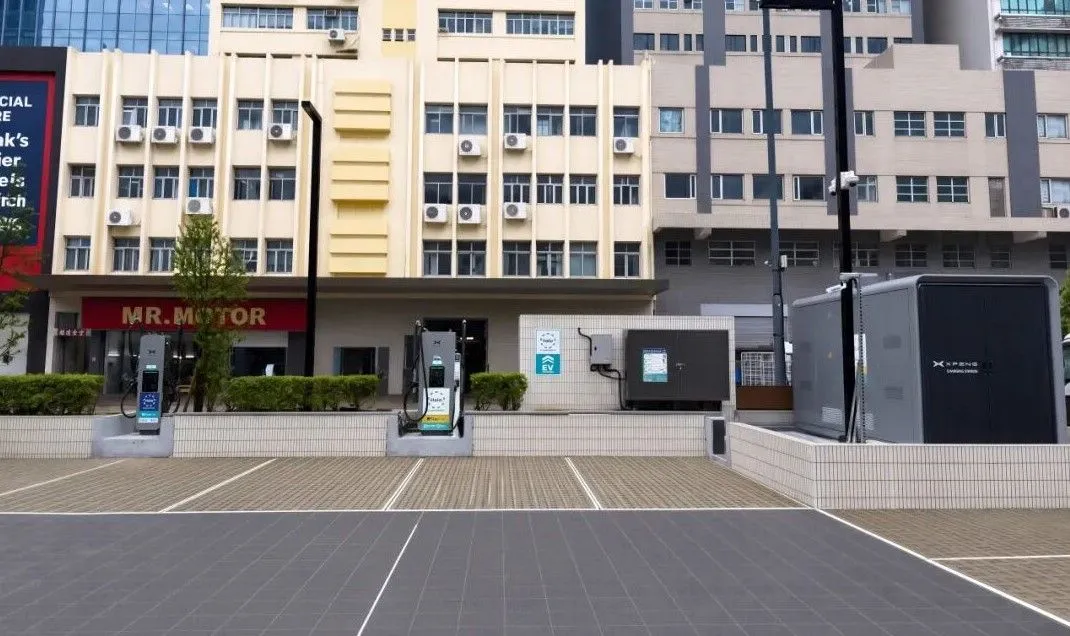
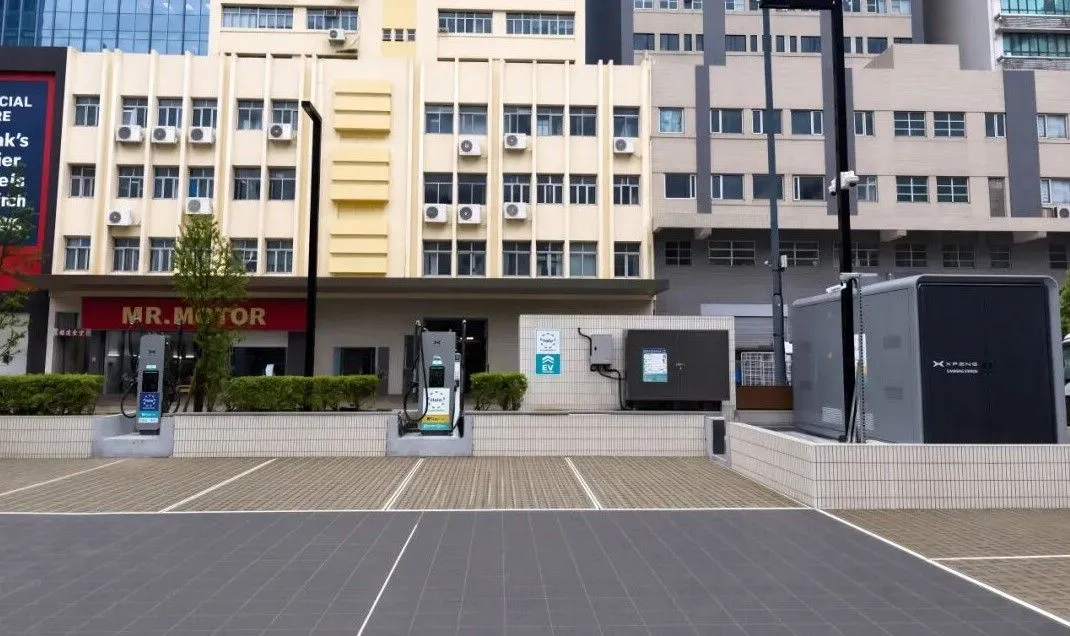
The race to minimize charging times for electric vehicles continues to advance, now entering the realm of megawatts. XPeng has just launched its first 1,000 kW X-Energy charging station in Hong Kong, a system also open to electric vehicle owners of any brand.
The station was developed jointly by XPeng and Halo and began operating on September 15. It is located in the New Kowloon district, near Diamond Hill Station and Airside Mall, and features four charging bays, though only one of them uses a 1 MW charging system. The facility also includes a 400 kWh energy storage system designed to reduce strain on the local power grid.
This approach is particularly interesting in a city like Hong Kong, where available space is limited and expanding the electrical grid capacity can be complicated and costly. XPeng claims its X-Energy system can operate with a network connection of up to 240 kW and then use the stored energy to deliver peak power of up to 1,000 kW to the car.
The station uses a liquid-cooled charging terminal and can reach a maximum current of 1,000 amperes. However, the 1,000 kW refers to the maximum power of the equipment and does not mean every car can receive it. The actual power depends on the vehicle’s capacity, its electrical system, the charging level, and battery temperature.
This last point is important because infrastructure development is outpacing the capabilities of electric cars themselves. To truly utilize power at this level, there is a need for a high-voltage electrical architecture, a battery capable of handling high currents, and a charging curve that can maintain that power for sufficient duration.
XPeng is not the only brand entering this space. BYD has already introduced its charging technology capable of 1,500 kW, while Zeekr has developed a charger that reaches 1,200 kW. In Zeekr’s case, its 1.2 MW V4 charger has become one of the clearest examples of the shift toward megawatt-level charging stations.
The difference is that these figures are not limited to technical demonstrations. Zeekr has already begun deploying charging stations of this capacity outside China, while BYD is expanding its FLASH Charging stations, with a goal of installing 20,000 of them in China by the end of 2026.
In Hong Kong, XPeng’s strategy has another important aspect: it isn’t limited to its own electric cars. Any owner of a compatible vehicle can use the charging station, which can help ensure that these next-generation infrastructure facilities are more widely utilized and not confined to a single brand.
The company is also bringing this technology to other markets. XPeng has already outlined plans to introduce X-Energy charging stations in Europe and expand its fast-charging network across 13 European countries, combining energy storage with charging systems capable of up to 1 MW.
The arrival of this first station in Hong Kong shows the direction in which fast charging is evolving. The focus is no longer just on installing increasingly powerful chargers, but on finding ways to do so without requiring a massive expansion of the electrical grid. The use of local storage allows for at least partial separation between the power needed to charge a vehicle and what the grid can supply at any given time.
For now, 1 MW technology remains limited to electric vehicles capable of utilizing it. But with BYD, Zeekr, and XPeng already competing in the megawatt space, ultra-fast charging is moving from a promise to a new phase in charging infrastructure.