
Angelo's C-Zero: still good after 13 years, but 12,000 euros for a new battery
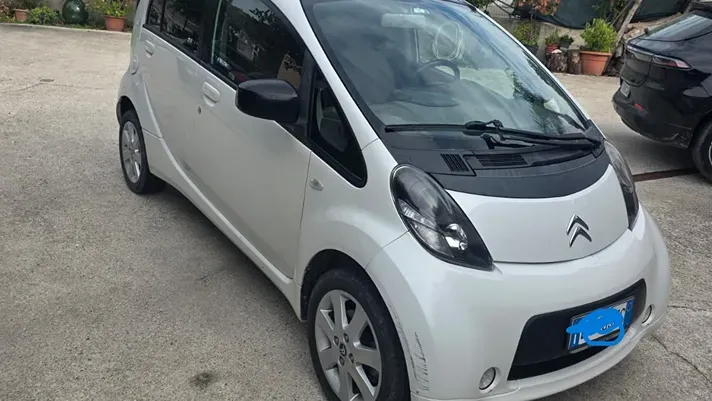
Eleven years of use, but 13 since registration, 110,000 kilometers driven, and a belief that hasn’t changed over time: electric cars are worth it. Sharing this experience is Adriano Spinelli, a resident of Agropoli in Salerno province, owner of a Citroën C-Zero—one of the first electric city cars to hit the European market and a sibling model to the Mitsubishi i-MiEV and Peugeot iOn. His testimony is interesting because it comes from someone who has used an electric car daily for over a decade, long enough to assess its advantages, disadvantages, and especially the battery’s degradation. And here lies the problem: replacing it costs 12,000 euros. An exaggeration. Angelo’s testimony follows those of Nanni and Angelo Musumarra. If you have a similar story, write to us at info@vaielettrico.it
One of the first electric cars on the road
"I bought the C-Zero about eleven years ago when it was two years old and had 7,000 kilometers on it. It was a demonstration vehicle used by Citroën to let interested customers try out electric cars. Today it has over 110,000 kilometers, and I can say it has performed very well." Spinelli admits that the quality of the interior and finishes wasn’t up to the price asked at the time, but the overall cost-benefit was definitely favorable.
“It saved me money in many areas: fuel, car insurance, registration fees, parking in paid zones, and maintenance. I’ve never had to change oil, filters, or go through all those typical tasks for an internal combustion engine.” And most importantly, it costs less than 2 euros to travel 150 kilometers. An inexpensive fill-up.
No major breakdowns, but range dropped from 150 to 50 kilometers
The most striking aspect of his account is the mechanical reliability. “The car has never given me any problems. I’ve never had to replace control units, sensors, or other important components. After all, an electric motor has very few parts that wear out. Brakes, tires, or suspensions can wear out like in any other car, but the traction system has never caused me any issues.” The only real limitation that has emerged over the years is related to the battery.
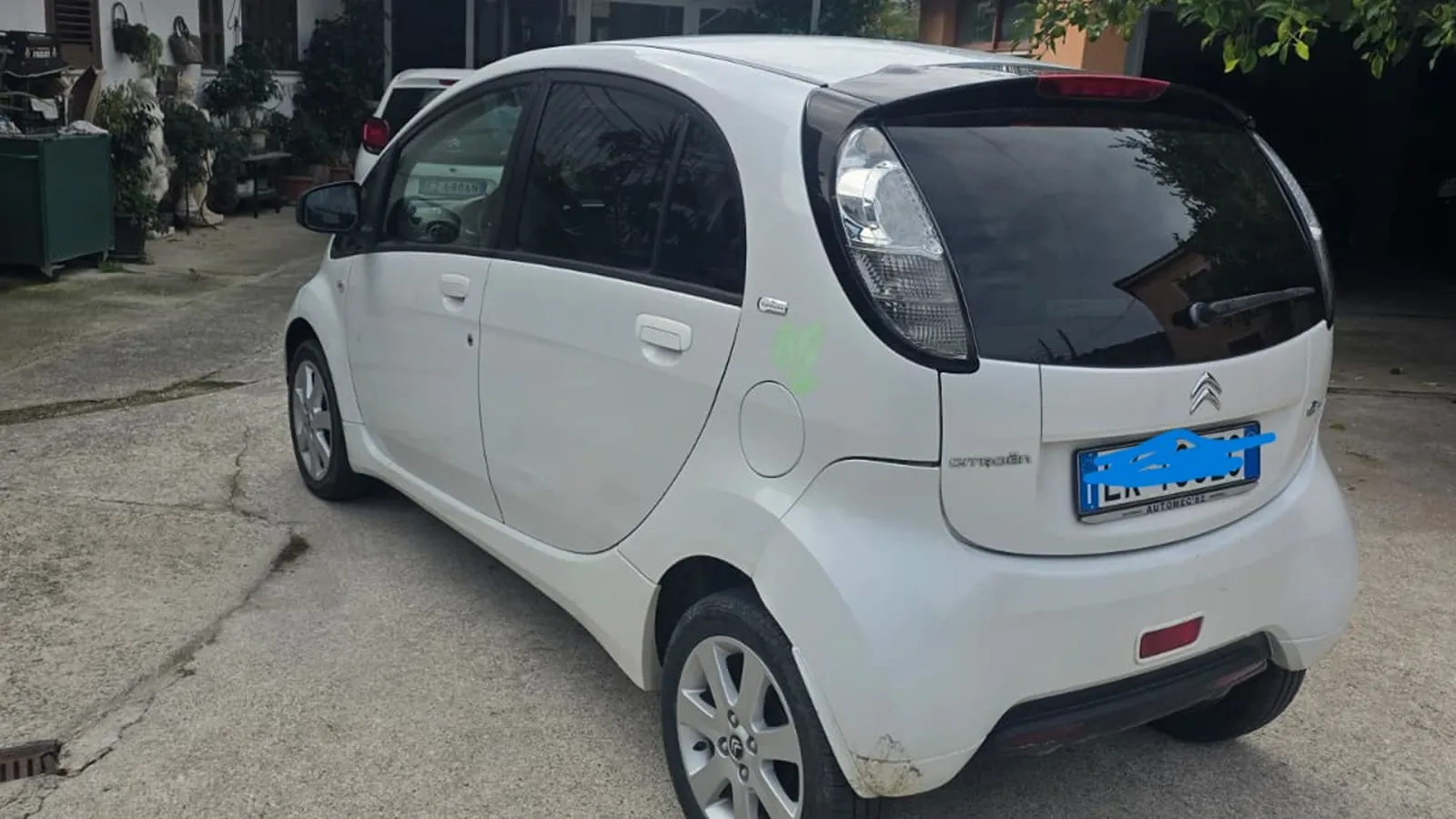
When it was new, the small Citroën allowed Spinelli to travel about 150 kilometers on a single charge. The situation is very different now. “The battery has lost over 60% of its initial capacity. If I fully charge it, the display shows around 46-47 kilometers of range. And we all know that if you turn on the air conditioning or encounter uphill roads, the actual range becomes even lower.”
A used Citroen C-Zero? “A bargain, word of Riccardo”
Angelo doesn’t live in flat terrain. “To get home, I have to climb about 150 meters in elevation. It’s obvious the car no longer has the strength it used to. The turtle mode often appears, limiting speed because the battery can no longer provide enough power.”
The problem is the cost of a new battery—they asked 12,000 euros plus VAT.
Spinelli said he had considered replacing the battery. “To my great disappointment, I would have changed the battery if the price had been reasonable. Instead, the Citroën dealership where I bought the car gave me a quote of 12,000 euros plus VAT.” It’s an exorbitant amount. “I’m very sorry, but I don’t think a battery can cost almost half of a new car. It’s a disproportionate expense compared to the car’s current value.” That’s why he decided to continue using his C-Zero in urban traffic. “As long as I can use it for my daily commutes, I’ll keep using it.”
The economic advantages remain enormous
Despite battery degradation, the overall balance remains strongly positive. In Agropoli, incentives for electric vehicles have further reduced operating costs. “For parking in blue zones, we pay around 20 euros per year compared to 120 euros required for traditional cars. There’s also a significant savings on insurance. Auto insurance here in Campania is very expensive, but with an electric vehicle I pay about half of what I would spend on an equivalent traditional car.”
Antonio and his used CZero: “I drive 70 kilometers a day, 2,000 kilometers a month.”
Added to this are reduced tolls and particularly low charging costs. “I pay around 14 cents per kWh when charging at home. With a couple of euros, I can fully charge the car. To cover the same distances in a small gasoline car, it would cost much more.”
Next car? Still electric
Despite the experience with the battery that’s now nearing the end of its life, Spinelli isn’t considering switching back to gasoline or diesel at all. In fact, he’s thinking of replacing his C-Zero with a Fiat 500e. “It pleases both my wife and me. It’s a compact car, perfect for daily use. We already have larger cars in the family, two plug-in models, but the electric one is the one we use the most.”
Do 500 and Vespa have an electric future or…?
The dealership has already made him an offer, valuing the old C-Zero at around 4,000 euros, a figure he finds interesting. Meanwhile, Spinelli is also considering another investment: installing a photovoltaic system with home battery storage. The reason is simple. In addition to the C-Zero, he also owns a Mercedes plug-in hybrid and a Jeep plug-in hybrid. “We don’t lack sunlight here. With photovoltaic panels and battery storage, I could make the most of the energy generated to charge my cars. It would be the best way to further reduce operating costs.”
After eleven years of use, his assessment remains positive. The mechanics of the C-Zero continue to work without problems, while the battery is the only real component showing signs of wear from time.
WATCH THE VIDEO: Interview with Angelo, his story with his 2011 used Mitsubishi i-MiEV
Previous Article
Do 500 and Vespa have an electric future or...?