
The batteries in these four electric cars last much longer than expected after 150,000 km.
For years, battery degradation has been one of the main arguments used against second-hand electric cars. The idea is simple: the more kilometers a car accumulates, the less capacity its battery retains, and thus its range decreases. But real data is beginning to show a quite different picture, especially when analyzing thousands of vehicles rather than individual cases.
Aviloo’s latest report, from the Austrian battery diagnostics specialist, provides figures for this aging process. The company analyzed over 500,000 independent tests conducted between 2022 and 2026 on 20 electric vehicle models, comparing the health of their batteries at 50,000, 100,000, and 150,000 kilometers. The overall conclusion is quite reassuring: even after 150,000 kilometers, the average battery in the models studied retains around 91% of its original capacity.
This means that the fear of encountering a completely depleted battery after a few years of use doesn’t quite align with what’s actually happening in the real market. Most of the models analyzed still maintain a very high capacity even after reaching mileage levels that would typically be associated with intensive use in conventional cars.
But there are significant differences between the models. And this is where Aviloo’s study becomes particularly interesting, as it conducted a specific analysis of four electric cars using only versions equipped with a particular battery. The group includes the Nissan Leaf ZE1, the Tesla Model Y Long Range, the Volkswagen ID.4, and the Hyundai Ioniq 5.
The results yield a fairly clear conclusion: battery size seems to play a considerable role in degradation, though it is not the only factor at play.
The Nissan Leaf loses the most capacity
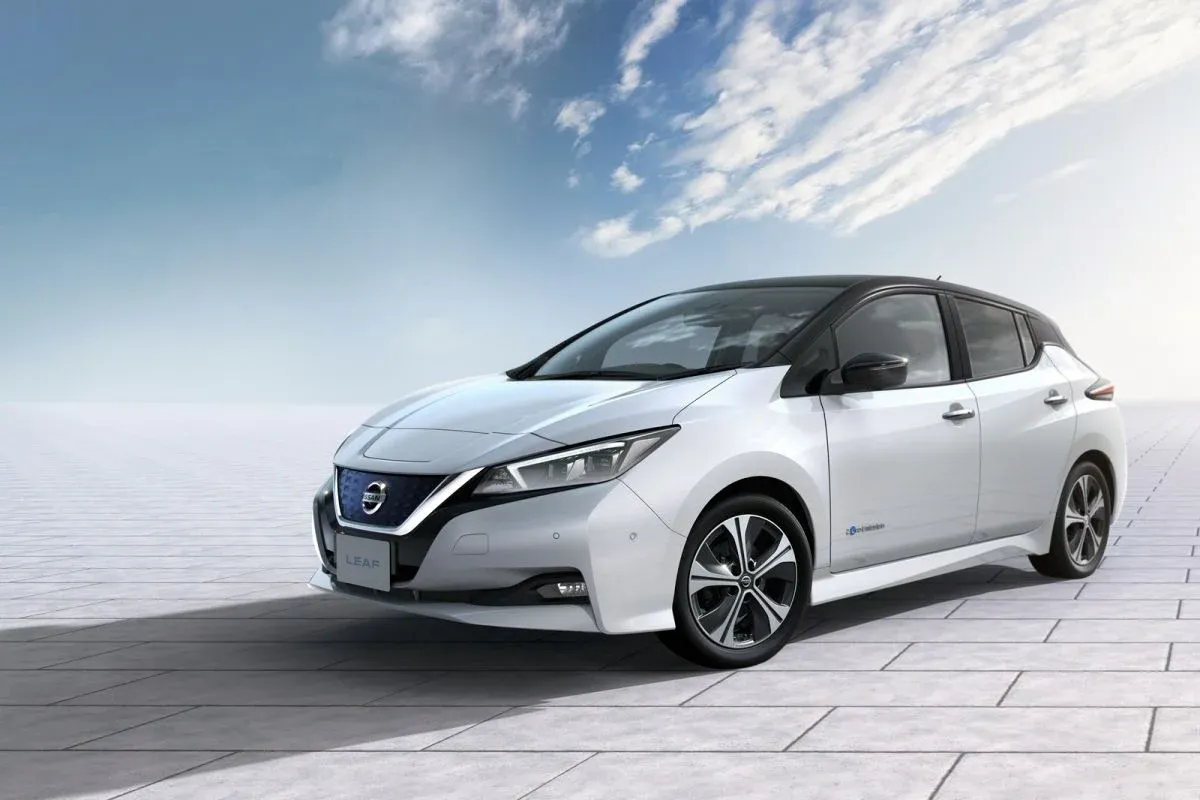
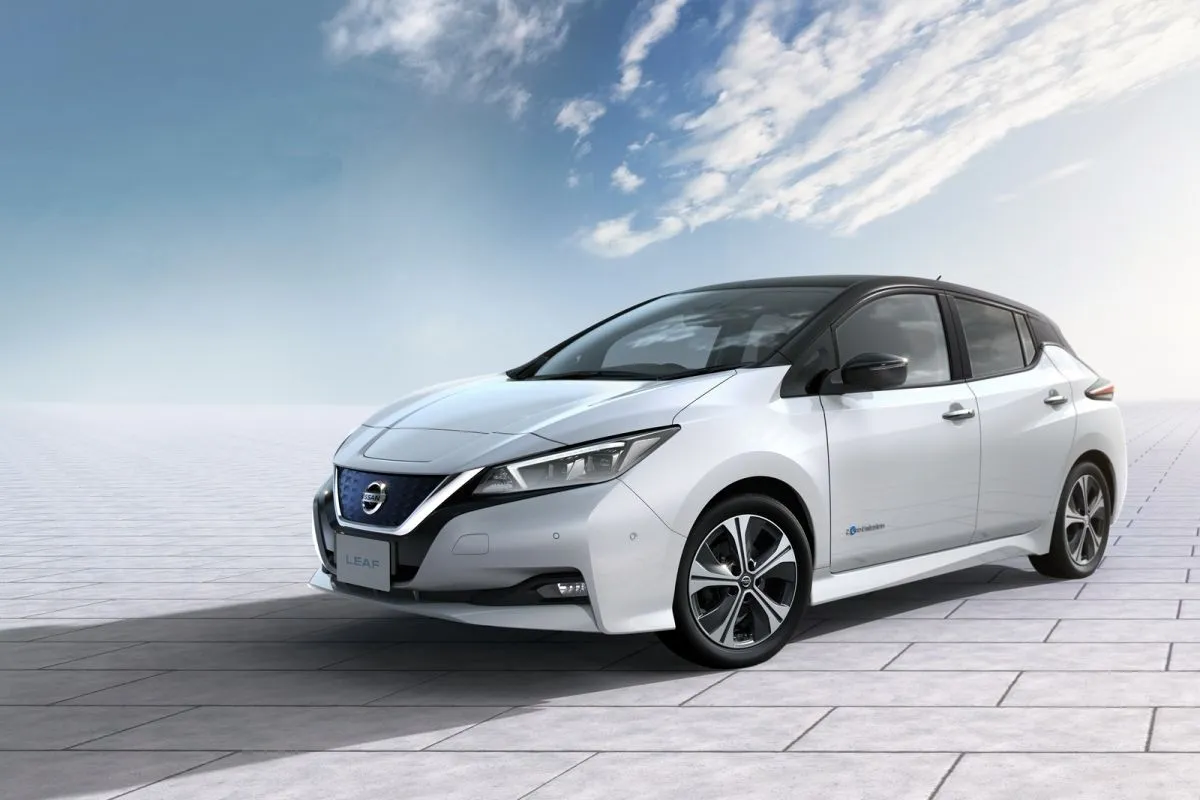
The most notable case is that of the second-generation Nissan Leaf, produced between 2018 and 2025. For the analysis, the version equipped with a 40 kWh battery was used, a capacity significantly lower than that of the other three models included in this comparison.
After traveling 50,000 km, the battery of the Nissan Leaf had already lost approximately 90% of its original health level. By the time it reached 150,000 km, the health level was around 85%, representing a loss of nearly 15% since the car was new. In terms of average range, Aviloo estimates it drops from about 196 km to around 185 km, a difference of approximately 11 km.
The explanation makes quite a bit of sense. A smaller battery needs to go through more charging cycles to cover the same distance as a car equipped with a higher-capacity battery pack. If two cars travel 150,000 km, the one with a smaller battery will have had to use it more intensively to achieve that mileage.
In addition, the Nissan Leaf of this generation features older technology compared to later models. The difference between the best and worst performance within the Leaf itself is also significant: Aviloo detected a variation of up to 13.5 percentage points in SoH, which can translate into differences of up to 29 km in range between individual units.
The Tesla Model Y Long Range used in the comparison presents a very different picture. Aviloo has isolated the units manufactured between 2021 and 2025 with a 78.8 kWh battery, allowing for a comparison of cars with a much more homogeneous configuration.
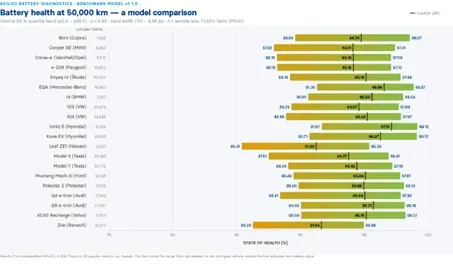
After 50,000 km, the Model Y retains an average of 94.54% of its original capacity. The loss is therefore 5.46%. By the time it reaches 150,000 km, the battery still maintains 90.05% of its initial capacity.
Put simply for those considering buying a used Model Y, the loss in capacity doesn’t mean the car suddenly has much lower range. Wear and tear occurs gradually, and in this case, after 150,000 kilometers, the battery still retains approximately nine out of ten of its original capacity.
The Volkswagen ID.4 even achieves slightly better results. The analysis was conducted on the version equipped with a 77 kWh battery, which maintains 95.41% of its SoH after 50,000 kilometers. By 150,000 kilometers, this figure drops to 90.09%.
There is also an interesting figure at 100,000 km. At that point, the ID.4’s SoH had dropped by 7.27% compared to its initial capacity, which is approximately 72 kWh. The estimated average range decreases from around 400 km to 373 km. In other words, even after 100,000 km, we are still talking about a loss of about 27 km in this specific scenario.
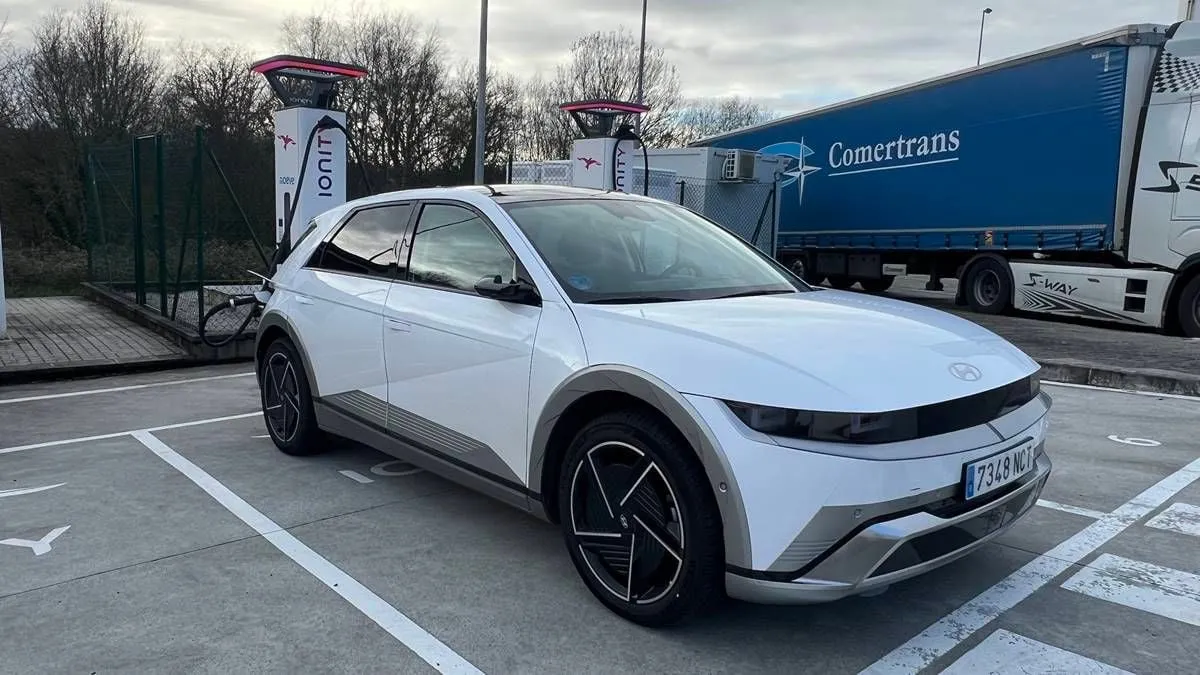
But the winner of this comparison is the Hyundai Ioniq 5. Aviloo specifically analyzed the version equipped with a 72.7 kWh battery, sold during 2021 and 2022. After 50,000 km, it retains nothing less than 97.26% of its original capacity.
At 100,000 km, the average SoH is 95.14%, while it still reaches 93.37% after 150,000 km. At this latter point, the Hyundai Ioniq 5 thus maintains a significantly higher capacity than the Tesla Model Y and Volkswagen ID.4, whereas the Nissan Leaf lags far behind.
The difference is particularly interesting because we are comparing four electric cars that have already accumulated considerable mileage. Yet, even so, three out of the four still retain around 90% or more capacity after 150,000 km. The Hyundai Ioniq 5 even exceeds 93%.
This also explains why it is not entirely accurate to speak of a single degradation figure for all electric cars. The specific battery, its size, the technology used, and usage conditions play a significant role.
Aviloo itself warns that model-specific data is merely a statistical reference and does not automatically indicate the condition of a particular vehicle’s battery. Two cars of the same model with the same mileage can have quite different battery health levels. Across the entire report, the difference between the best and worst examples of the same model can reach 13.5 percentage points.
Therefore, the most important factor for someone looking for a used electric car is not necessarily whether the model appears first or last in a ranking. What’s truly important is to check the battery of the specific vehicle one wants to buy.
Mileage remains relevant, but it should no longer be used as an automatic indicator of the battery’s condition. A car with 120,000 or 150,000 kilometers may still have a battery in excellent condition, while another identical model with fewer kilometers might show greater wear.
The conclusion of Aviloo’s study is quite positive in this regard. Modern batteries are aging better than many used electric car buyers might think. And although there are significant differences between models, none of the 20 analyzed showed catastrophic average degradation after 150,000 kilometers.
This is especially relevant for the used car market. The fear of having to replace an entire battery may cause some buyers to rule out used electric cars before even checking their actual condition. The available data suggest it makes more sense to evaluate each vehicle individually rather than assuming a battery is damaged just because the car has covered many kilometers.
Source | Aviloo