
Warning for those involved in electric vehicle chargers in Europe: "Not all companies will survive.
27/10/2026 17:00
Updated to
27/10/2026 17:00
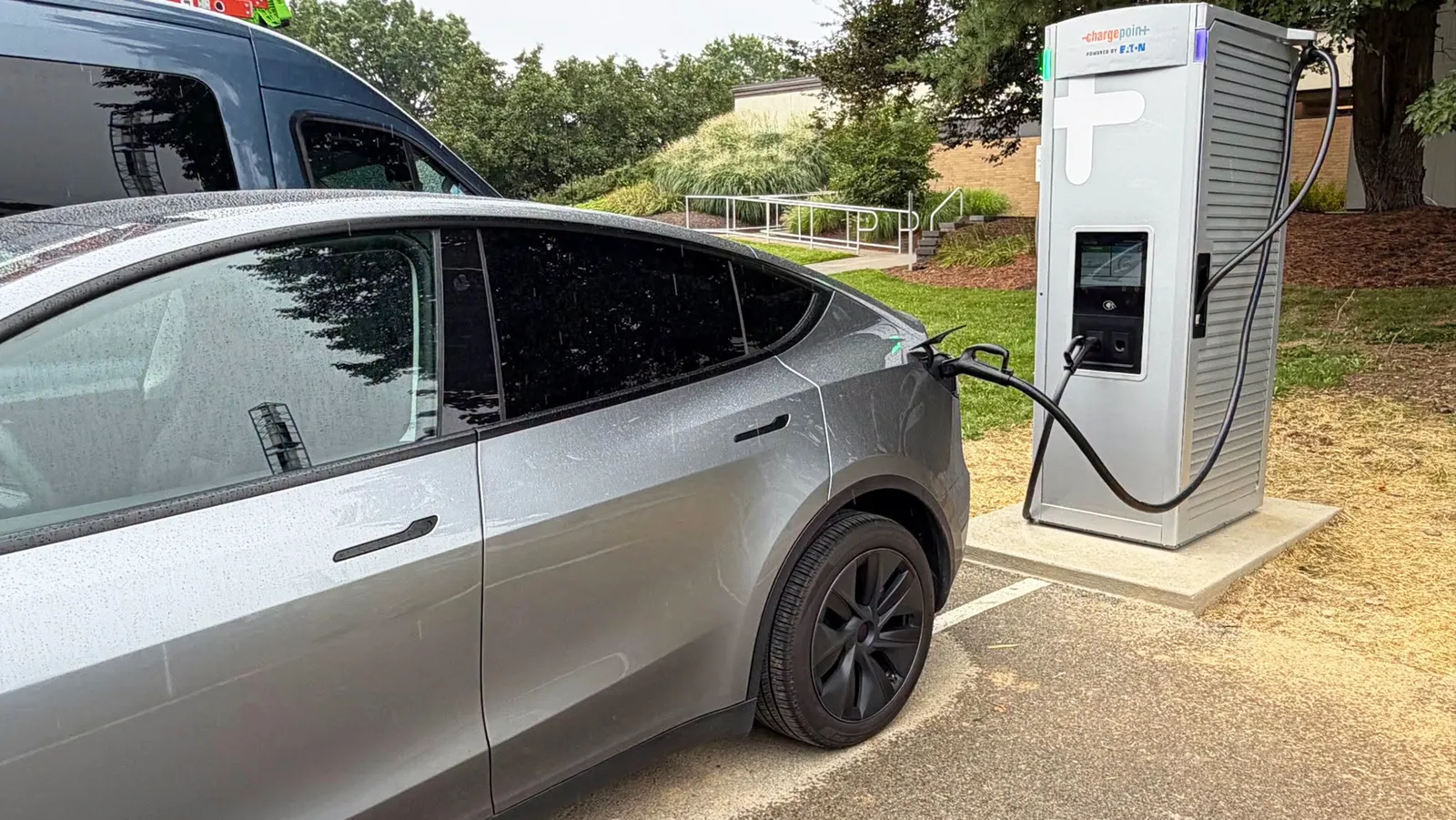
The electric vehicle charging business in Europe could undergo a significant transformation in the coming years. John Saffrett, executive vice president and general manager of ChargePoint in Europe, believes the market is too fragmented and expects a wave of mergers, acquisitions, and partnerships over the next three to five years. In a recently published interview, the executive warned that some companies will not survive under increasing pressure to be profitable. He also identified Spain, Italy, and Portugal as markets still holding substantial growth potential.
ChargePoint expects mergers among charging companies in Europe
In recent years, the development of infrastructure for electric cars has attracted numerous technology companies, energy providers, and new investors. However, the sector’s growth does not guarantee that all companies will be able to survive.
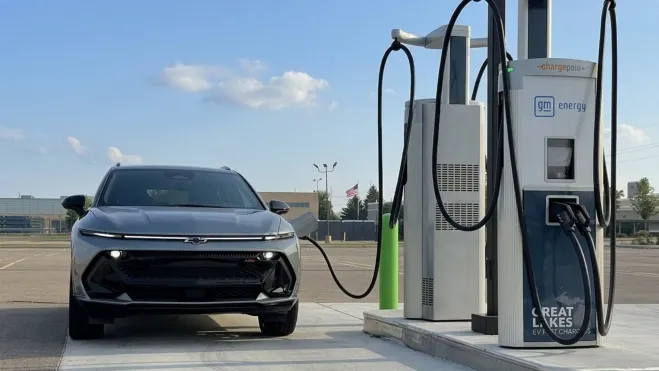
Saffrett believes the industry is entering a phase where simply installing chargers or developing new technologies will no longer be sufficient. “The sector is highly fragmented. I expect significant consolidation over the next three to five years,” he said in the interview.
The executive claims that investors are stopping funding projects that do not show clear prospects for profitability. Therefore, he expects some companies to seek buyers, merge with competitors, or form strategic partnerships.
Others, according to his assessment, might disappear due to a lack of a sufficiently competitive business model. This is not a prediction about specific companies but rather his interpretation of market trends.
Spain still has plenty of room for growth
The situation is not identical in all European countries. Saffrett identifies the Benelux and Nordic countries as the most developed markets, thanks especially to stable public policies over several years.
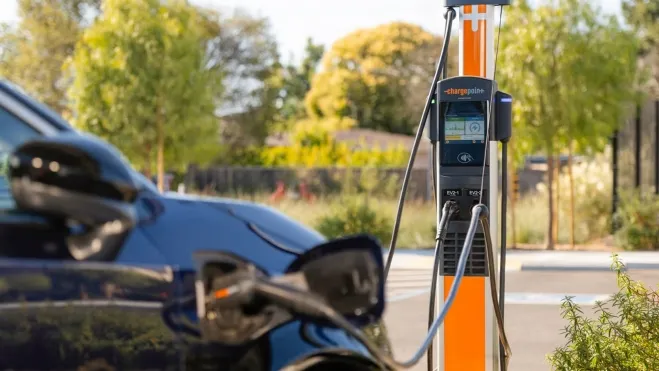
Germany, France, and the United Kingdom are making progress, while Spain, Italy, and Portugal are entering a new phase of expansion.
ChargePoint’s European executive believes there is still enormous growth potential. Although pure electric vehicles already account for over 20% of new registrations in some markets, they represent less than 5% of the total vehicle fleet mentioned in his analysis.
Therefore, a gradual increase in the number of electric vehicles on the road could improve the utilization of existing charging stations and justify new investments.
Heavy transport could open another business opportunity
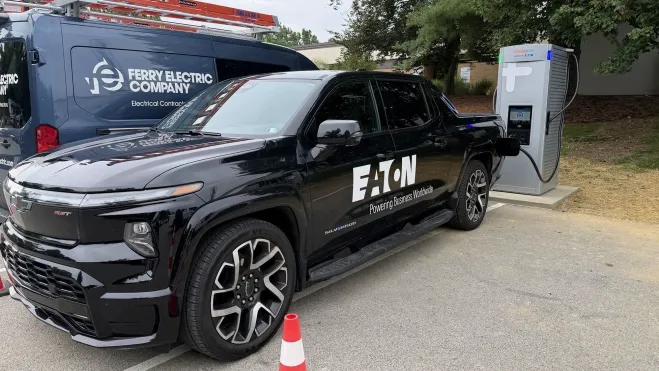
In addition to passenger vehicles, ChargePoint sees the electrification of trucks as a significant opportunity. The future charging needs of heavy transport will require high-capacity installations, especially along major freight routes and within the trans-European transport network.
Saffrett also emphasizes in an interview with Electrive that reliability will be just as important as the number of chargers installed. Major operators will seek suppliers who can ensure their equipment operates properly and provide support over many years.
The warning comes at a critical moment for Spain. The expansion of the public network must be accompanied by sufficient utilization and sustainable business models.
According to the executive’s view, Europe still has many chargers to install, but in five years there may be fewer companies competing in this business.