
The National Energy and Climate Plan with not a word about local energy storage and electricians. We have to pay and wait
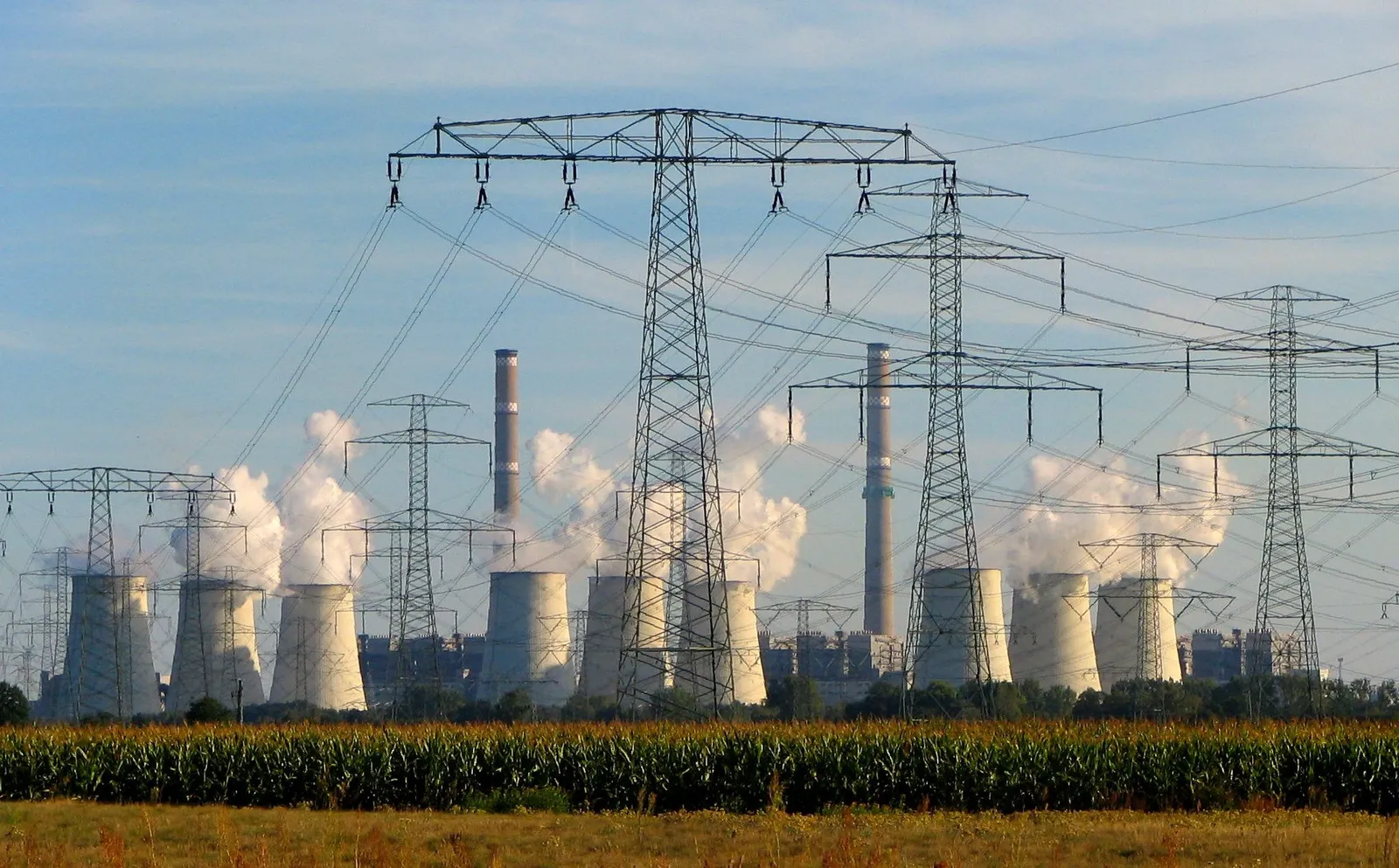
The Ministry of Energy boasted that it had adopted an updated National Energy and Climate Plan (KPEiK). A careful reader will notice that there isn’t a single word about local energy storage, nor are electric vehicles mentioned as potential grid stabilizers. Instead, there is a lot of talk about us [as taxpayers] spending a fortune and being supposed to be satisfied with that.
KPEiK = expenses, expenses, expenses
As the introduction states, “the KPEiK update (…) sets the direction for changes in Poland’s energy sector over the next 15 years.” We were nearly two years late in submitting the document to the European Commission, and there was no real reason to rush since wars were ongoing in the regions that supply us with fossil fuels. For the policymakers, “electrifying the economy, increasing the share of renewable energy, developing nuclear energy, and modernizing transmission and distribution networks by 2040” are key priorities, with a mention also being made of Poland’s Hydrogen Strategy.
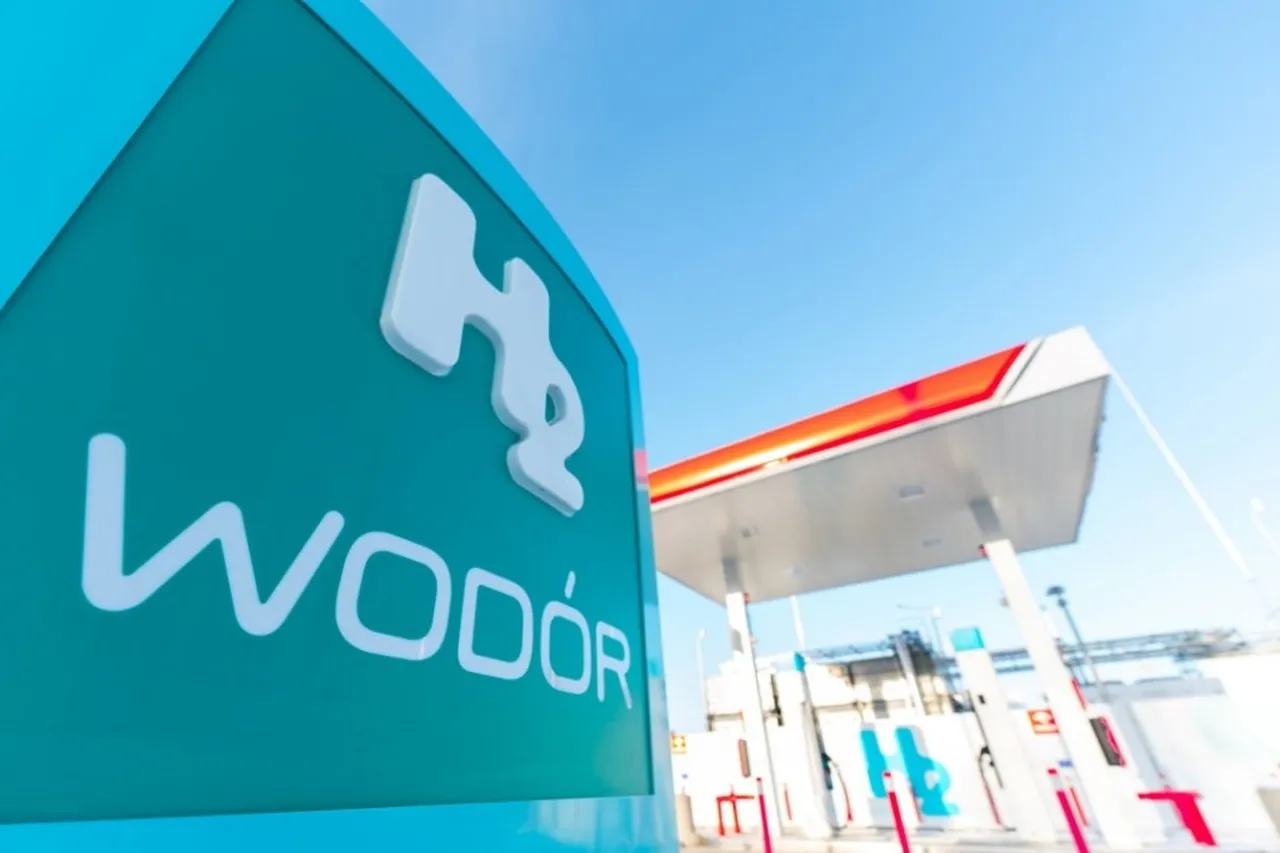
Orlen has put another hydrogen refueling station into use, this time in Pile. The number of refueling stations is slowly approaching the number of hydrogen vehicles on our roads In 2024 alone, Orlen received non-reimbursable funding from the European Union amounting to 62 million euros (~260 million zł) for network development (c) Orlen
Numbers? By 2030, the installed capacity in the national energy system is expected to rise to 90 GW. 90 GW is equivalent to the power needed by 9,000,000 electric cars charging simultaneously at around 10 kW each. It’s also the amount of power that 9,000,000 electric cars could supply at night. We don’t have that many in Poland—only a few hundred thousand are on our roads, and the vast majority still lack V2G functionality, meaning they can’t interact with the power grid. Once they do exist, people will fund their own transportation and at the same time help support the energy system.
In energy production, the share of renewable energy sources in the overall energy mix is expected to rise to 51.6-53.2 percent within four years, and to 31.6-36.5 percent in heating. Wind farms, photovoltaic systems, and renewable gases will be the most important sources, while natural gas will serve as a stabilizer. We plan to allocate 223 billion zlotys for nuclear energy, 274 billion zlotys for offshore wind farms, and 210 billion zlotys for onshore turbines. We intend to invest in transmission networks and energy storage, but primarily at the level of energy producers and distributors rather than ordinary people.
We are completely [as a government] not considering encouraging people to install home energy storage systems, even though at today’s prices their contribution to the national energy sector could be significant, especially with support for rooftop solar panels. We also don’t see any potential in V2G [as a government]; we seem to be waiting for someone to come and sell us a ready-made solution. Yet V2G is like “going into the forest to cut wood for fuel” — a solution that demonstrates resourcefulness. Of course, without destroying forests.
Editor’s note from Elektrowozu: This strategy seems like someone saying, “We must implement renewable energy on a controlled scale to avoid destabilizing the system.” In response to the suggestion of allowing people to store energy right now so there won’t be a destabilization issue, the only possible answer was, “Then we’ll stop controlling the system and earning money from it.” Therefore, as citizens, we should be wise and think about our own wallets...
Article Rating
Readers’ Ratings
[Total: 6 votes Average: 5]
Don’t miss new content — CLICK and FOLLOW Elektrowoz.pl on Google News. You might also be interested in the following ads: