
The costs of building gas power plants are rising rapidly.
International energy news: Building gas power plants is becoming increasingly expensive; EU chooses a tough time to cut off Russian LNG supplies; Electric vehicle manufacturers target a Chinese province; Expensive diesel concerns American miners.
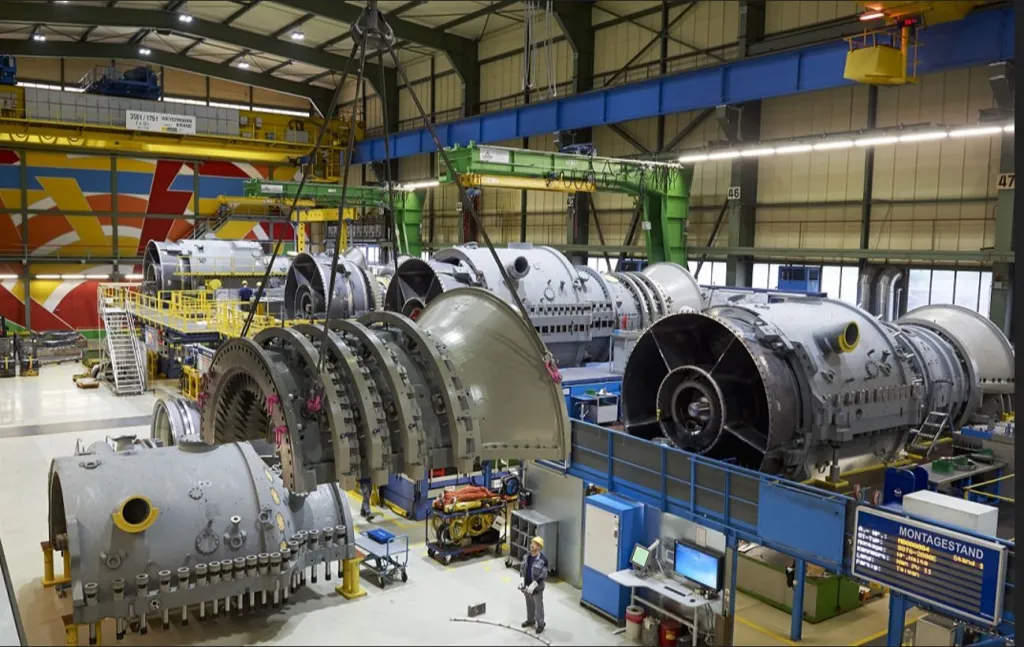
Table of contents
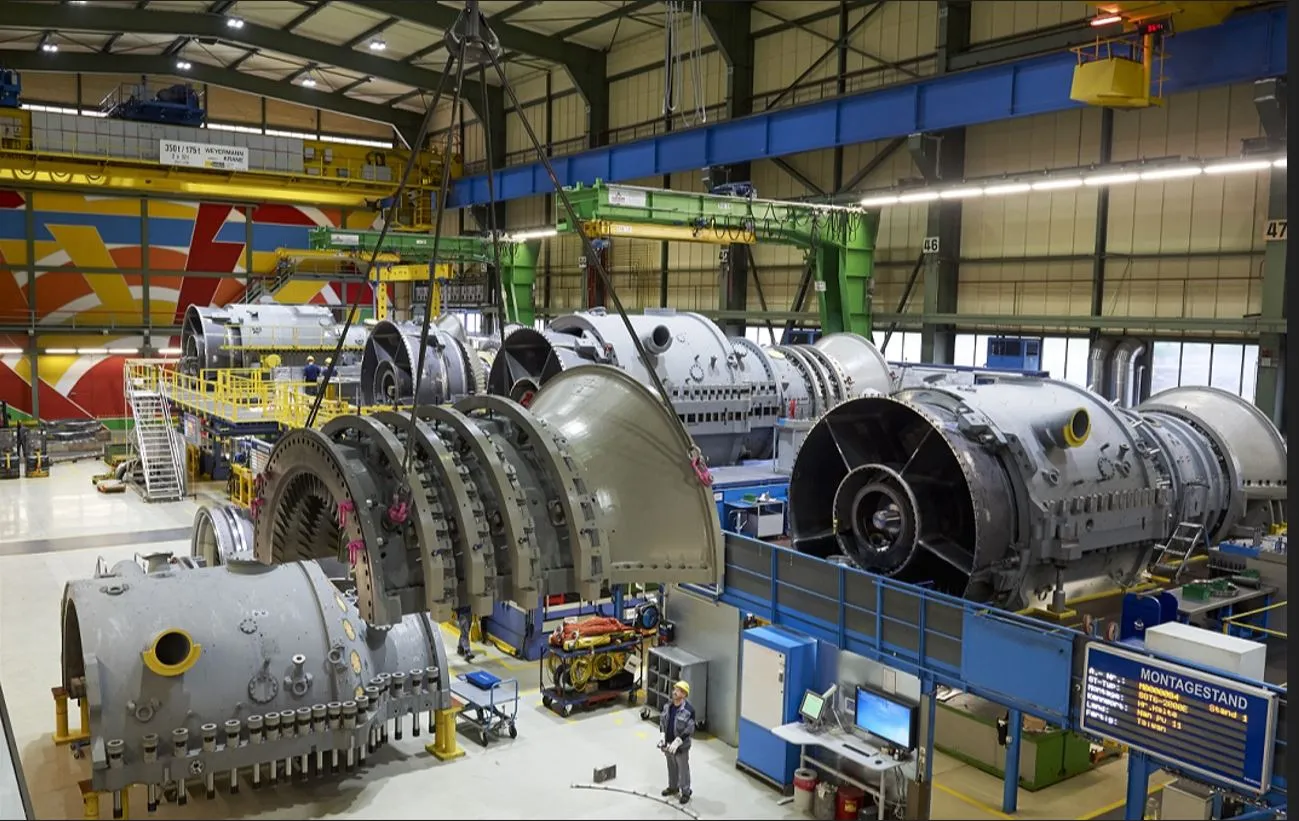
Building gas power plants is becoming increasingly expensive
From 2023 to 2025, the cost of building gas power plants in the U.S. increased by 66%. The reason is the sharp rise in demand for such facilities due to growing energy needs from data centers, according to Bloomberg.
The agency cites an analysis by BloombergNEF, which states that energy companies submitted requests to regulators in 2025 for 24 GW of new gas power capacity. For comparison, this was 4 GW in 2023.
According to analysts’ calculations, the average cost of building a gas-fired power plant rose from $1.5 million to nearly $2.2 million per MW during that time. Construction time also increased by 23%.
BloombergNEF predicts that due to the construction of data centers and advancements in artificial intelligence, demand for power in the U.S. will increase by 106 GW by 2035. To keep up with rising demand, energy companies are launching more investments in gas power plants.
The agency emphasizes that increased use of gas in energy production threatens the implementation of earlier climate protection plans.
The EU has chosen a difficult time to cut off Russian LNG supplies
The European Union is imposing a ban on importing Russian LNG under short-term contracts at a time when gas prices have risen by 40% since early March, with member states preparing to fill up their reserves ahead of another winter — according to Bloomberg.
The ban took effect on April 25, and by the end of 2026, imports of LNG from Russia to the EU are set to be completely halted. Russian gas deliveries via pipelines are also expected to end by autumn 2027. The agency notes that the EU currently meets about 12% of its gas demand through imports from Russia.
According to calculations by Wood Mackenzie and Energy Aspects, the ban on spot purchases of Russian liquefied gas could reduce imports by around 2.8 to 3.5 million tons per year, which is about 3% of total LNG deliveries to the EU in 2025.
The EU member states formally adopted the regulation on phasing out Russian pipeline gas and LNG at the end of January, just over a month before the U.S. and Israel’s attack on Iran, which led to the blockade of the Strait of Hormuz and a sharp rise in gas, oil, and fuel prices.
In the meantime, after a harsh winter, Europe is preparing to fill its depleted storage facilities, with about one-fifth of global LNG supplies coming from the Persian Gulf so far.
Bloomberg notes that currently, further increases in gas prices are being offset by reduced demand in other parts of the world—especially Asia. However, this could change significantly if the blockade of the Strait of Hormuz persists into the summer months, when competition between Europe and Asia typically intensifies due to winter and greater storage filling.
Experts say the European Commission could then approve a temporary reinstatement of the ability to purchase Russian spot LNG. However, another test for the EU market will be the expiration of long-term contracts at the end of the year, followed by the end of pipeline deliveries in 2027.
Bloomberg also notes that a key factor will be whether Yamal LNG, the main exporter of liquefied gas to the EU, can find new customers in Asia to replace its current buyers. If this happens, competition between the EU and Asia for LNG from other sources will be somewhat reduced.
According to current information, Novatek, the main shareholder of Yamal LNG, is in talks with clients from India, China, or Vietnam regarding deliveries. Some of the gas could potentially also go to Turkey and Egypt.
See also: Brussels leaves the energy crisis to governments
Automaker targets Chinese provinces
In China’s largest cities, electric vehicles now make up the vast majority of newly sold cars. Now, manufacturers aim to accelerate expansion in the country’s less affluent regions — reports the Financial Times.
According to consulting firm Automobility, 27.8 million new cars were sold in China in 2025, of which 13.9 million had fully electric or hybrid powertrains. For comparison, in 2020 this figure was only 1.3 million, with nearly 24 million gasoline-powered cars sold.
The largest cities such as Beijing, Shanghai, Guangzhou, and Shenzhen lead in the development of electric mobility. In smaller urban centers, however, the share of electric vehicles does not exceed 40%.
Thanks to these regions, companies such as Volkswagen, BMW, Toyota, Honda, and General Motors still remain among the top 15 largest manufacturers in terms of sales, as their share of the electric vehicle market is negligible compared to Chinese competitors.
The research firm Omnia predicts that the province will achieve a 50-percent share of electric vehicles by the end of 2027. Analysts say this could lead to an oversupply of production capacity, thereby forcing Chinese gasoline vehicles to be redirected to foreign markets. In some scenarios, the share of gasoline vehicles in new car sales in China could drop to just 20% by 2030.
The “Financial Times” notes that until now, the expansion of electric mobility in less developed parts of the country has been limited by consumers’ purchasing power and a less extensive network of public charging stations.
This is changing, however, as major manufacturers such as BYD and Geely are introducing more affordable models, including hybrid ones. Additionally, rising fuel prices due to the war in the Middle East provide another reason for increased interest in electric vehicles.
Public charging infrastructure is also set to see significant improvement. According to government plans, it will be expanded to 28 million stations by the end of 2027, up from 21 million at the start of 2026.
See also: Preventive restrictions on solar panels and batteries? Part 1
Expensive diesel is worrying American miners
American producers of thermal coal are hoping to boost exports as demand in the global market rises due to the war in the Middle East. At the same time, rising diesel prices are increasing extraction costs, according to the Financial Times.
The newspaper notes that the blockade of the Strait of Hormuz and the resulting sharp rise in oil and gas prices are leading to greater demand for coal—especially in Asia, where the use of coal-fired power plants is increasing.
American producers see this as an opportunity to increase sales, as the industry, despite political and regulatory support from Donald Trump’s administration, is also suffering from the effects of the trade war with China. In 2025, exports of coal mined in the U.S. dropped by nearly one-fifth after Beijing imposed retaliatory tariffs.
Currently, the sector is hoping for improved results and expects sales to foreign markets to increase by 10% in 2026. Demand is rising not only from the largest importers, namely China and India, but also from other Asian countries.
Nevertheless, optimism is dampened by rising diesel prices, which increase extraction and transportation costs, making it difficult for U.S. coal to compete even with Australian ore. Diesel is a primary fuel source for mining machinery, as well as trucks, trains, and barges that transport coal to seaports.
The Energy Information Administration notes that since the start of the war in the Middle East, diesel prices for trucks have risen by 48%. Bank of America estimates that diesel costs account for about 25% of total costs in surface mines and 12% in underground facilities. Meanwhile, transportation costs to China have increased by as much as 55%.
See also: Polish Spectrum built a georadar that reaches 40 meters deep. They are working in Japan because in Poland…