
There is competition, yet customers still choose Tesla. Why?
In the article:
Tesla Model Y leads all new cars in Europe as of September 2026
In Poland, Model Y and Model 3 also occupy the top two spots among the most registered electric vehicles
Competitors are increasingly beating Tesla with individual features, but few models offer a similarly comprehensive package for similar prices
Tesla and market realities
Theoretically, Tesla should be facing an increasingly difficult market situation today. The Model 3 is no longer a novelty, and we have known the Model Y for years, with the company’s offerings in Europe essentially relying on just two vehicles. Meanwhile, in 2026 alone, traditional automakers introduced dozens of new electric vehicles to the Old Continent. On top of that, there is the competition from brands like BYD, Xpeng, Leapmotor, MG, and other Chinese manufacturers.
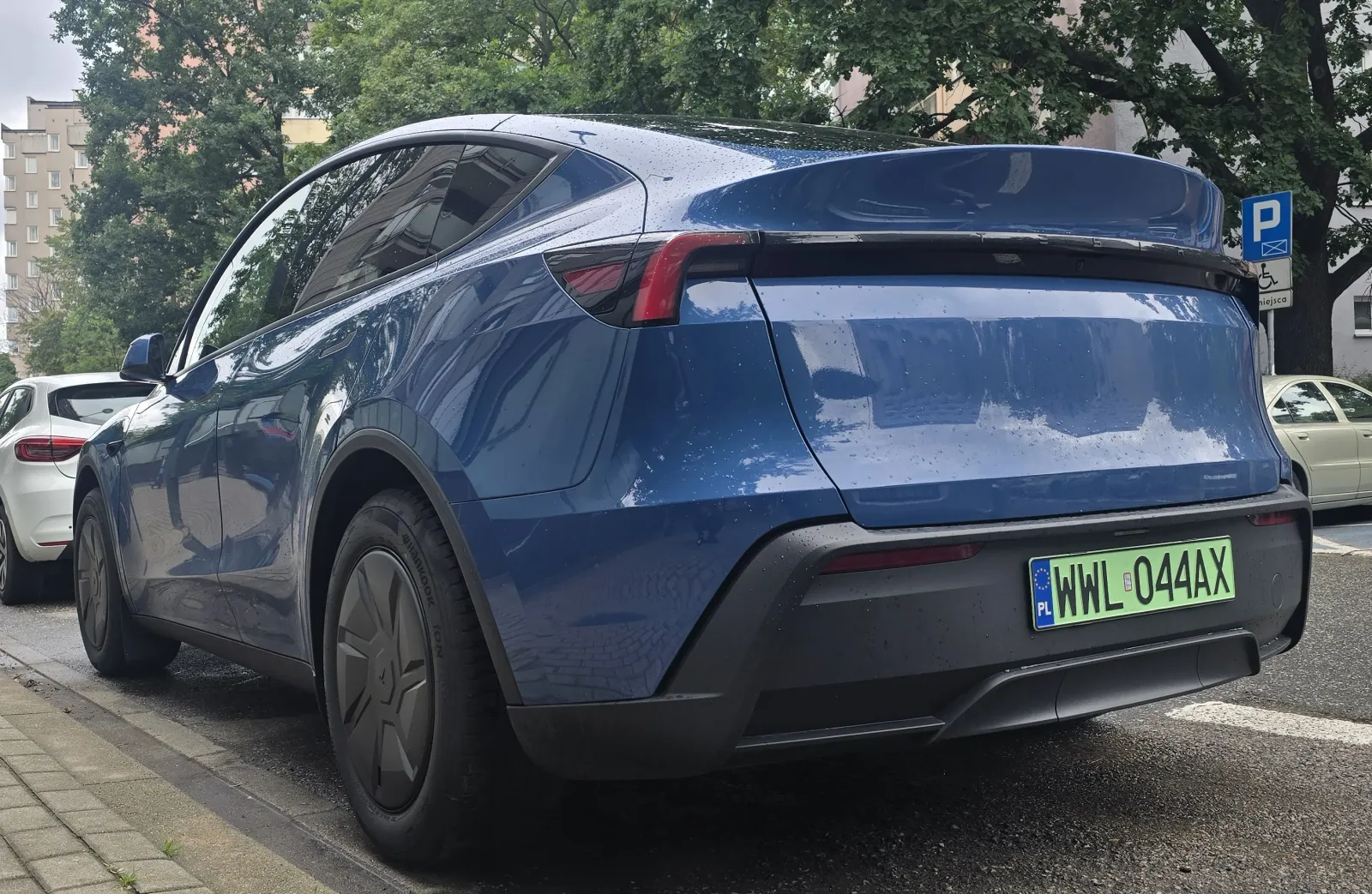
Yet September 2026 turned out to be a great month for Elon Musk’s company. The Tesla Model Y saw 40,971 registrations in Europe, while the Model 3 had 25,057. They took first and second places in the overall market, ahead of the Volkswagen Golf and Dacia Sandero.
The figures look even more impressive when looking at the whole year to date. After nine months, the Model Y has 167,369 registrations and remains the most popular new car in Europe, regardless of powertrain type.
In Poland, the situation is similar, though the electric vehicle market remains much smaller. From January to September, the Model Y was the most frequently registered electric car, ahead of the Model 3 and Skoda Elroq.
With such a huge range of electric cars available today, why do customers still choose Tesla so often?
Why do customers buy Teslas?
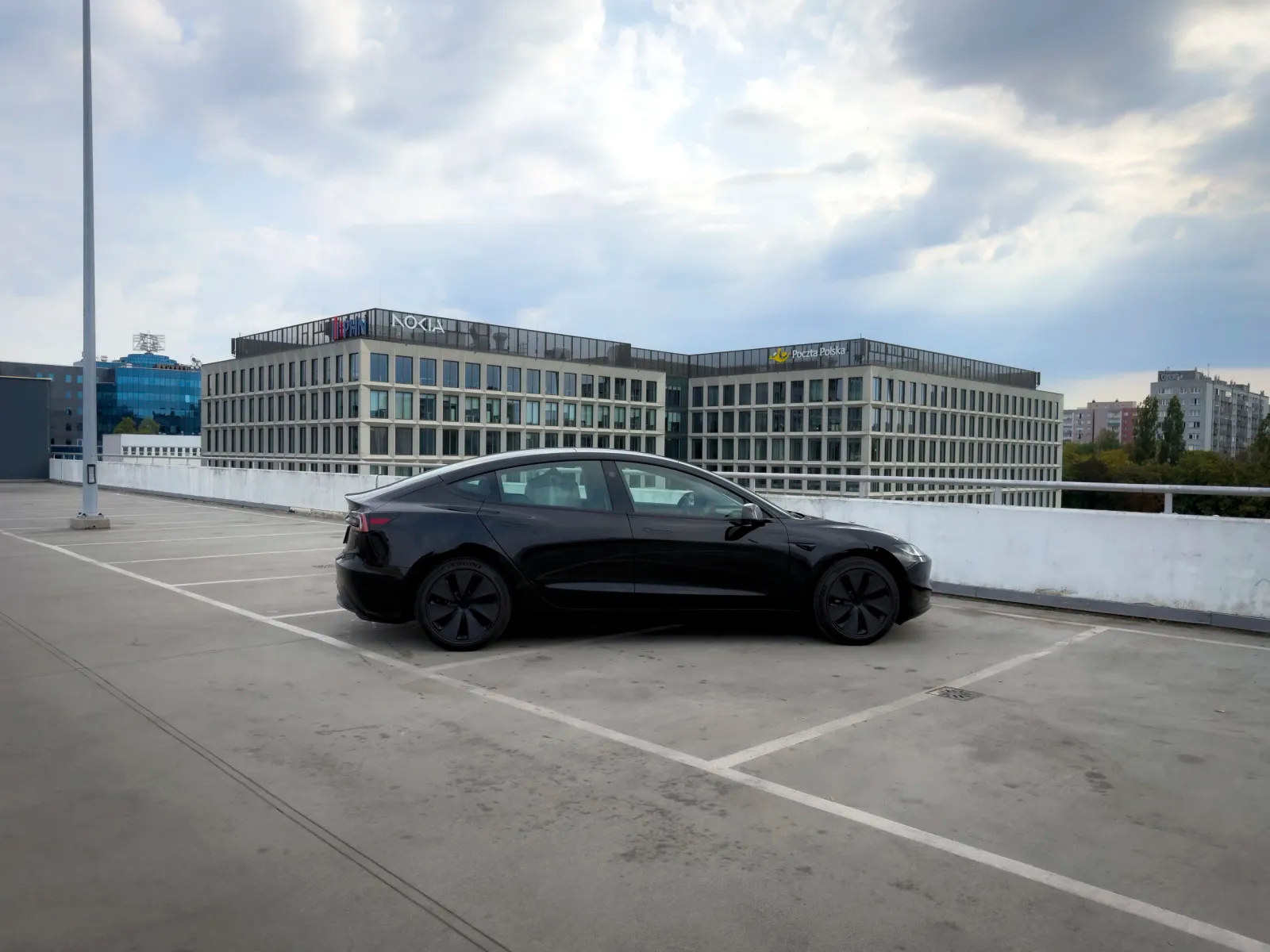
The first answer is the simplest: price. For years, Tesla has been associated with expensive “tech” cars. In Poland, the Model 3 with rear-wheel drive costs 174,990 zł. The Model Y starts at 189,990 zł. There have been promotions that reduced the price of the Model 3 to even below 160,000 zł.
It’s actually cheap compared to the electric car market
The Model 3 costs roughly as much as a Volkswagen ID.Tiguana, Ford Explorer, or BYD Seal. In fact, well-equipped versions of urban models (Renault 5 E-Tech, VW ID.Polo) are only slightly cheaper, especially when the Model 3 is on promotions (which may appear toward the end of the year).
The situation is similar with the Model Y. For around 190,000 zł, one can purchase a Toyota C-HR+, a well-equipped Kia EV3, or a Renault Scenic E-Tech, among others.
Tesla not only associations more strongly with technology, gadgets, and electric mobility in customers’ minds (for many it is the “original” target EV that others try to match), but it also offers a lot for that price.
The base Model 3 has a declared WLTP range of 572 km, accelerates to 100 km/h in 6.2 seconds, and comes standard with features such as an advanced multimedia system, an app, charging planning navigation, and basic Autopilot.
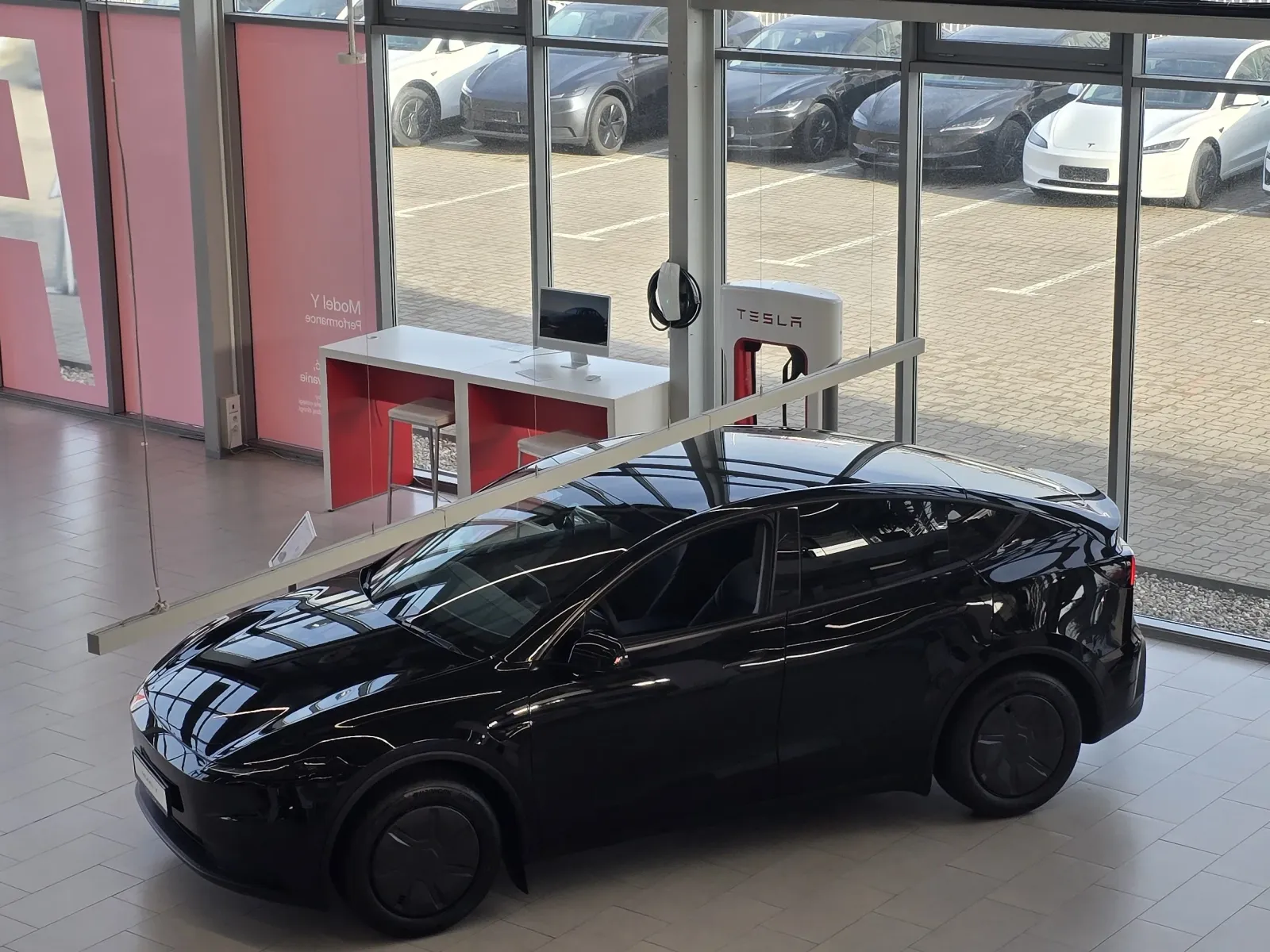
Added to this is its very low energy consumption. According to official figures, the base Model 3 uses 12.2 kWh per 100 km. Even if the actual figure is slightly higher, Tesla has for years been among the most efficient electric cars on the market.
A competitor might be better. But usually not in every aspect.
It’s easy to find a car that’s better than the Tesla Model Y or Model 3. Kia and Hyundai offer 800 V systems along with very fast charging. The Volkswagen ID.7 is exceptionally comfortable and has a huge range. BMW may be better built and more enjoyable to drive. The Renault Scenic features a well-designed interior suitable for family use. BYD provides plenty of standard features, while other Chinese brands are increasingly impressing with their charging speeds and onboard amenities.
The problem arises when we start comparing all these features at once. The car should cost around 180,000–200,000 zł, have a long range, low power consumption, good performance, a spacious interior, a functional app, effective trip planning, access to reliable charging infrastructure, and not require the purchase of many additional packages. That way, the list becomes much shorter.
Tesla doesn’t have to be the best in every category. It’s enough that it’s hardly ever truly weak in any area. It’s a bit like a smartphone that might not have the best camera, the best screen, or the largest battery, but all its components work together so well that using it is simply easy.
Software remains a huge advantage
This is an element that’s often underestimated when comparing technical specifications. In an electric car, software is more important than in a gasoline car. The car should know where the chargers are, whether they’re working, how long charging will take, and what energy level we’ll have upon reaching our destination. It should also prepare the battery properly for fast charging.
Tesla has been doing this for years.
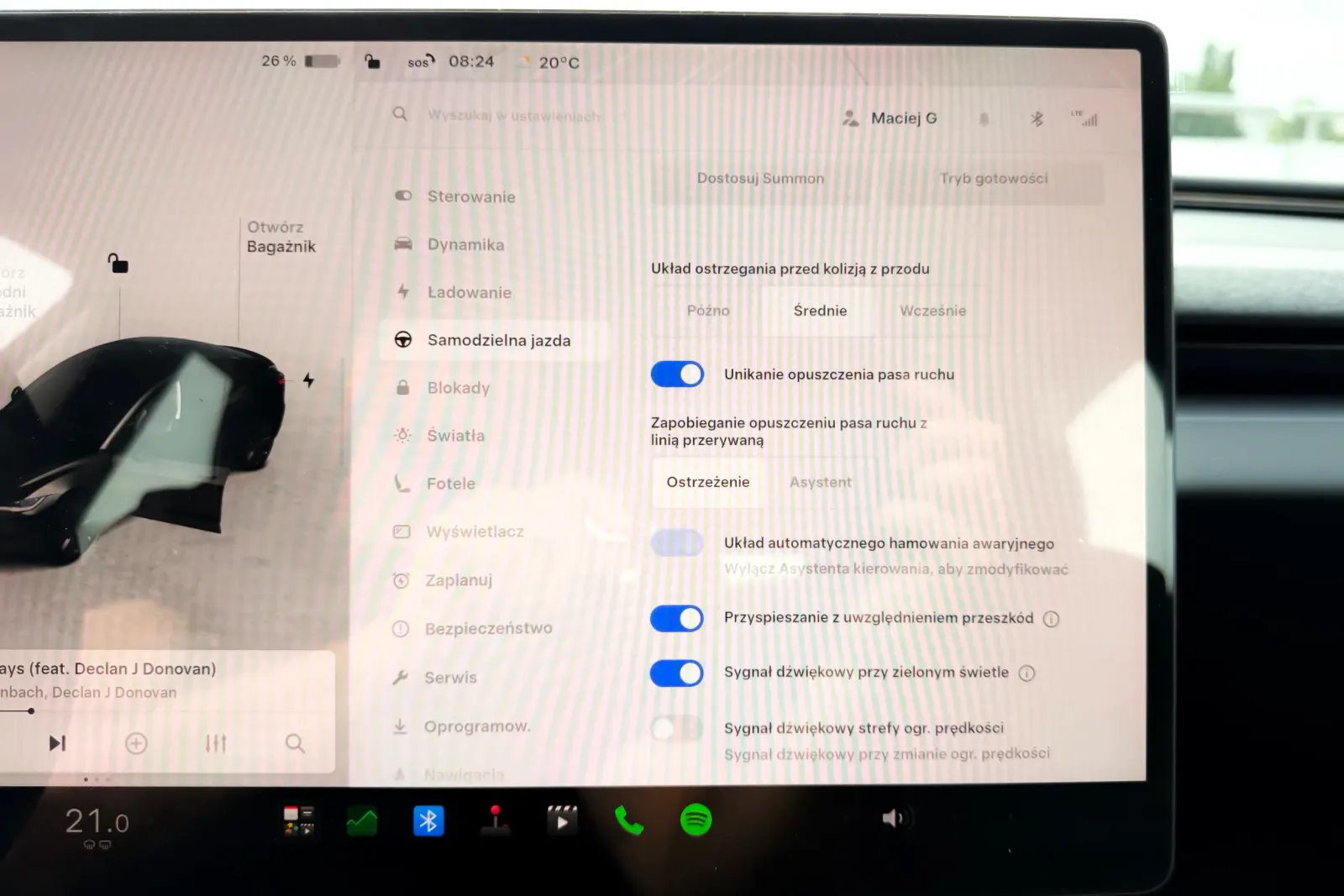
The navigation system automatically plans stops, the car prepares the battery before reaching a Supercharger, and the app allows control over most of the car’s functions. Updates are delivered remotely and can add new features even after purchase.
In a USCALE electric vehicle user satisfaction survey conducted in Germany, Austria, and Switzerland in 2026, only 8% of Tesla drivers reported issues with the app. For the entire market, this figure was 48%. It is in such details that the company’s experience built over decades continues to give it an advantage.
Superchargers are no longer a closed club, but they still help Tesla
The Supercharger network is no longer as compelling as it was a few years ago. First, the public infrastructure provided by other operators is developing very rapidly. Second, Tesla has opened many Superchargers for competing vehicles.
Nevertheless, Tesla owners still receive an exceptionally cohesive ecosystem. The car, navigation, app, payment system, and charger all come from the same company. There’s no need to worry about operator cards, activating terminals, or selecting apps. Tesla also provides information on the number of available charging stations and automatically accounts for charging during trips.
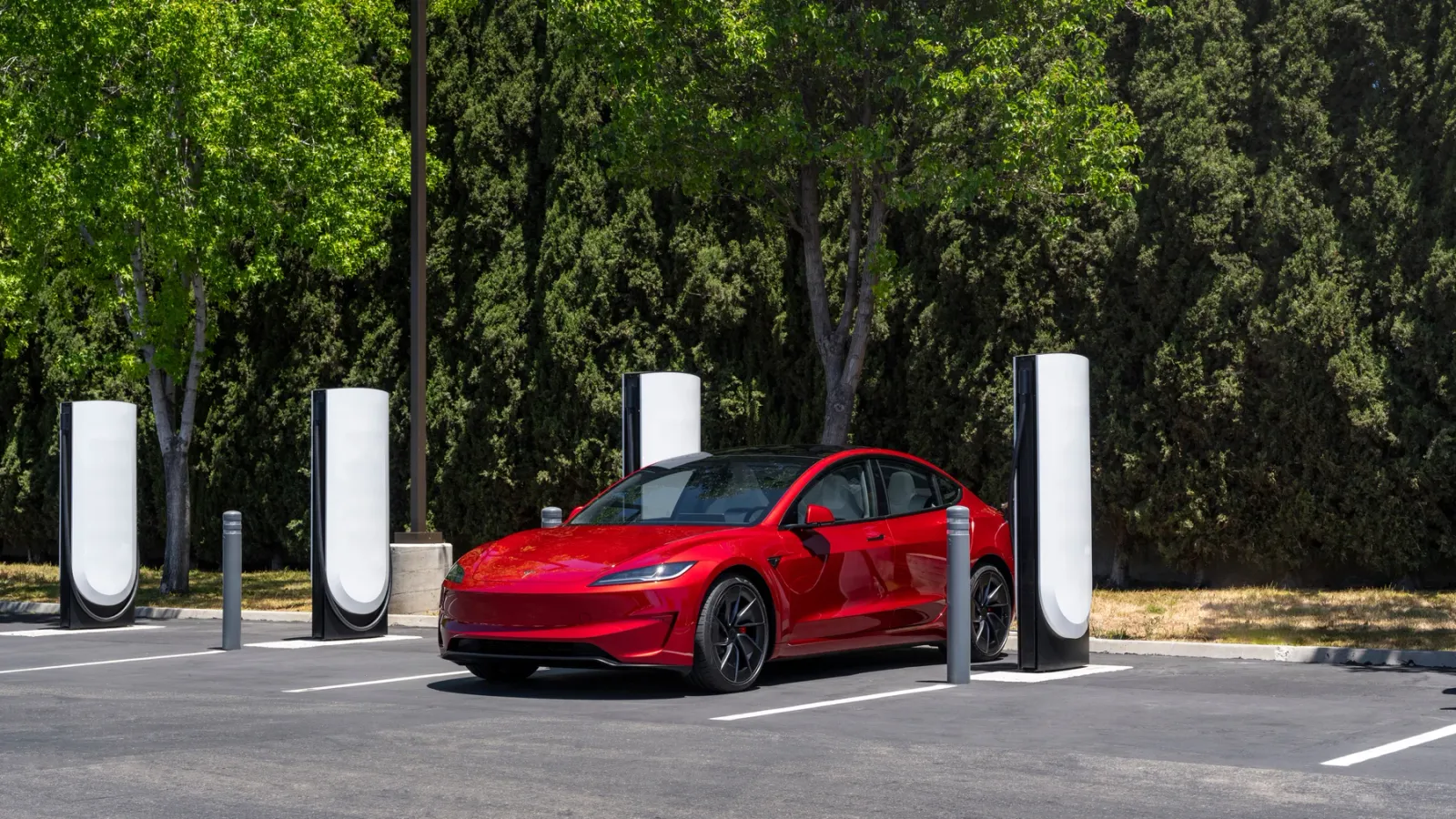
There are already over 80,000 Supercharger stations worldwide. Customers of competing brands can use many of them, but for Tesla drivers, the entire process remains more integrated. This matters more during long trips than differences in body length of a few centimeters or an extra 20 horsepower.
What about reliability? The answer here is surprising.
One of the myths about Tesla is the belief that an electric design automatically means almost complete reliability.
Statistics show a much more complex picture. In terms of failure rates, the Tesla Model 3 performs very well according to Germany’s ADAC automobile club. Among three-year-old vehicles, it had only 0.7 breakdowns requiring roadside assistance per 1,000 vehicles in 2026. This is one of the best results in the entire ranking.
The report from the German organization TÜV, based on mandatory technical inspections, shows a completely different picture. Among two- and three-year-old Model Y vehicles, it ranked last — serious defects were found in 17.3% of the inspected cars. The Model 3 had a rate of 13.1%. The most frequently cited issues were the suspension, brake discs, and lighting.
Thus, Tesla can very rarely end up out of service while still having an above-average number of problems detected during technical inspections. This is an important distinction. The claim that “Tesla is reliable” is too simplistic, but it would also be incorrect to say these are vehicles with exceptionally high failure rates. They certainly don’t break down to the extent of deterring customers — although opinions regarding, for example, service quality at dealerships and service centers have been fairly poor for years.
Is Elon Musk’s “magic” still working?
Once, it undoubtedly worked. Musk was an integral part of the product. Buying a Tesla meant purchasing not just a car, but also a glimpse into a technological future. The company resembled Apple more than Volkswagen.
Today, the situation is much more complicated. Musk’s political activities deter some customers from buying Teslas. Studies conducted in Europe show that for a significant group of consumers, his actions harm the brand’s reputation. Thus, the Tesla phenomenon in 2026 cannot be explained solely by a cult around its charismatic president.
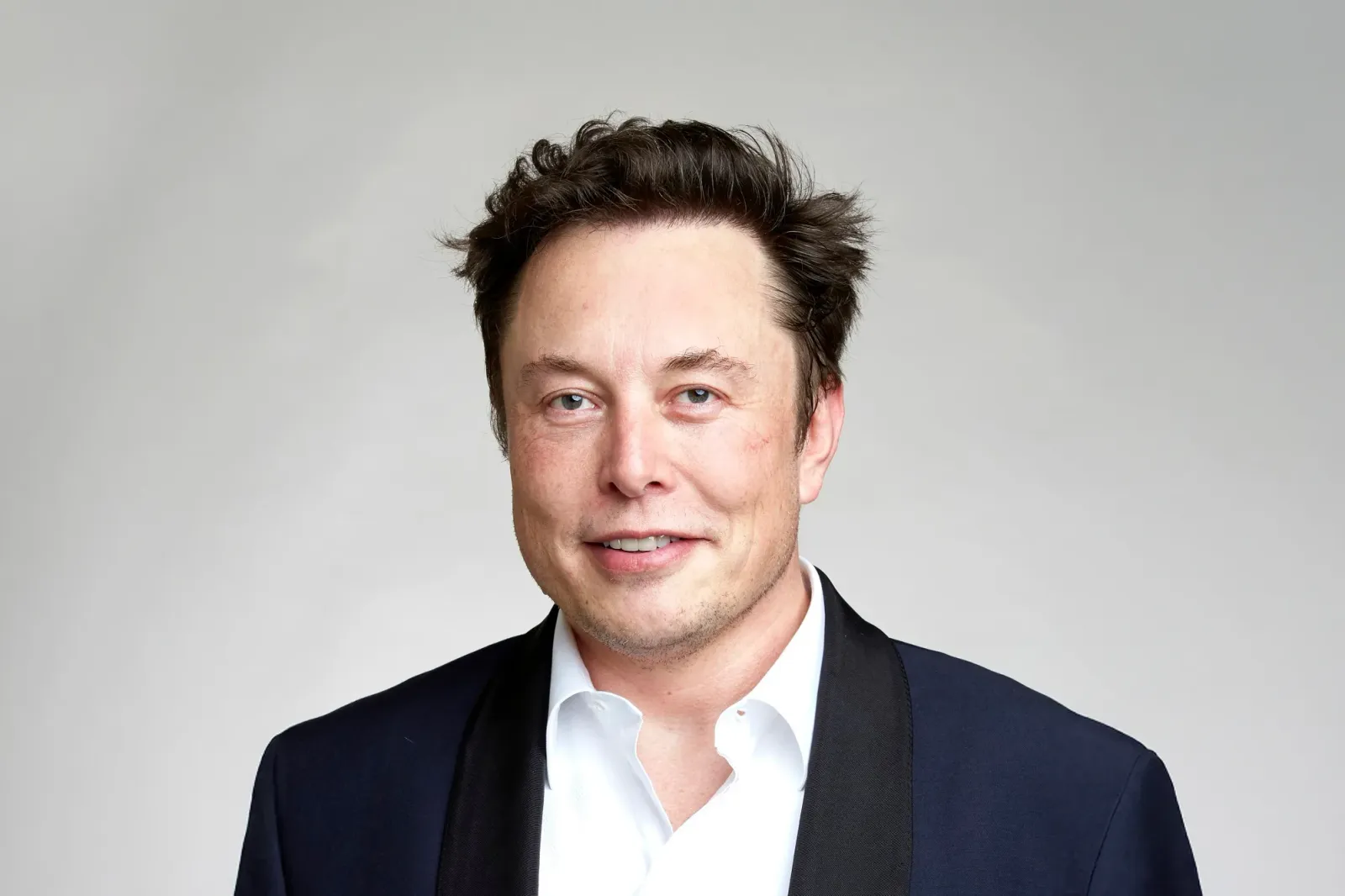
Paradoxically, the current results might suggest the opposite: Tesla has become such a strong product that some customers buy it despite Musk, rather than because of him.
The current owners are also extremely loyal. In a European survey of electric vehicle drivers, 85% of Tesla users said they would likely buy another car from this brand. The latest USCALE survey also placed Tesla among the top brands in terms of owners’ willingness to recommend it.
Chineses could be the biggest threat
European brands have already learned how to build very good electric cars. However, they often transfer to them the business model associated with gasoline vehicles: many trim levels, expensive options, complicated configurators, and large differences between the base price and a well-equipped car.
Chinese manufacturers approach this differently. Within a similar budget, there are increasingly more cars offering rich features, large screens, and better battery performance.
It is Chinese brands that can most challenge Tesla’s dominance, as they try to compete using a similar approach: plenty of technology for relatively low prices.
However, issues remain regarding trust in new brands, resale value, service networks, and parts availability. Tesla has been in Europe long enough that it is no longer seen as an experiment by customers.
The competition is not weak. Tesla is simply difficult to beat as a whole.
By 2026, claiming that Tesla wins because others can’t build good electric cars would be untrue. They can—and often build cars that are better in specific aspects.
The competition issue lies in something else. Over the years, Tesla has developed a very specific set of features: low energy consumption, long range, good performance, reasonable price, simple ordering process, solid standard equipment, an excellent app, reliable software, and its own charging ecosystem.
Each of these advantages can be surpassed individually today. It is much harder to create a car that combines them all equally well. That’s why the Model Y may face dozens of new competitors yet still remain Europe’s most popular car. Not because customers have no choice. On the contrary — the choice has never been greater. Yet Tesla still effectively combines price, range, performance, software, and user convenience into one cohesive package. And this is what convinces customers, even as the brand’s model lineup ages. For Tesla, time seems to pass a bit more slowly.
Piotr Sobczyk