
Is the end of the 12-volt battery era here? Leapmotor unveils a technology that could change everything
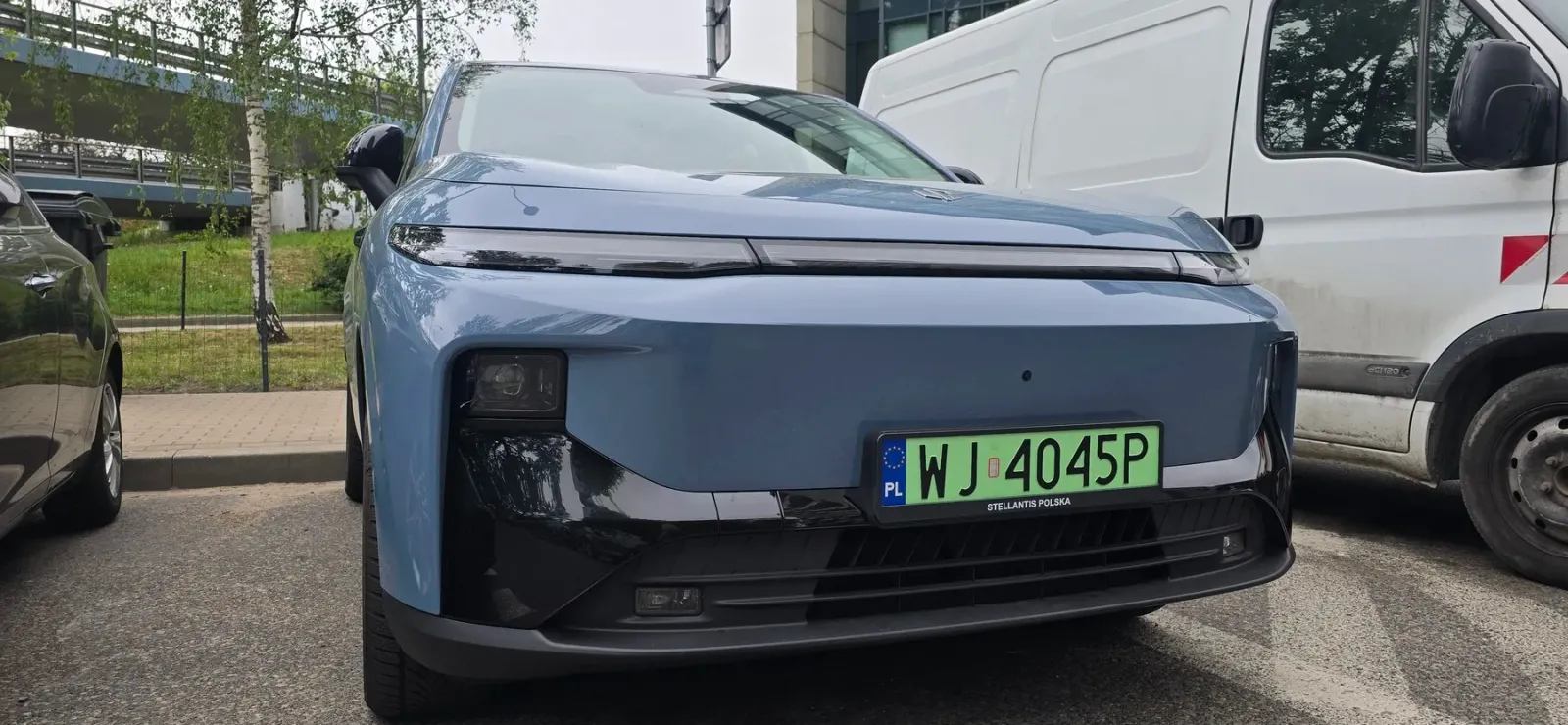
In short:
Leapmotor has unveiled two technologies that are set to form the basis of its next generation of electric vehicles starting in 2027
They are: the LEAP 5.0 New Mobile Space Architecture and the new generation Cell-to-Chassis (CTC) 3.0 High-Low Fusion Battery
The goal is not just to increase range. The manufacturer aims to redesign the car’s structure itself
LEAP 5.0 is designed to achieve “100-percent space utilization efficiency,” the company claims
The 3.0 High-Low Fusion Battery offers seven times greater functionality and performance in powering low-voltage systems
Leapmotor wants to rebuild the car from scratch
The Chinese electric vehicle manufacturer Leapmotor unveiled two key technologies at the Leapmotor Tech Day 2026 event, which are set to form the basis for all new models of the brand introduced starting in 2027. These are: the LEAP 5.0 New Mobile Space Architecture and the new generation of Cell-to-Chassis (CTC) 3.0 High-Low Fusion Battery.
Both Leapmotor and Stellantis (the strategic partner of the Chinese brand) emphasize that the goal is no longer merely to increase range or add more digital features. The manufacturer aims to transform the car’s structure itself. The company describes this change as a “revolution comparable to when cell phones were replaced by smartphones.”
The biggest changes concern the passenger space. The new LEAP 5.0 architecture was developed specifically for the next generation of electric vehicles and, according to the manufacturer, allows for “100-percent space efficiency” compared to the brand’s previous solutions.
The integration of components that previously operated as separate systems played a key role. According to the press release, connecting the integrated climate control system with the rear drive unit increased the available cabin space by 19 percent, while reducing the number of parts by 18 percent and shortening cables by 30 percent.
The front suspension was also redesigned. The new system with a vertically mounted shock absorber and aluminum suspension tower takes up less space, allowing the legroom in the front row of seats to increase by as much as 37.5 percent, claims the Chinese manufacturer.
More Space in the Cabin
The claims regarding the interior look even more spectacular. Thanks to the new “skateboard” platform, designers were able to combine a higher roof with a completely flat floor. This is expected to increase the passenger space height by 63.7 percent. Leapmotor claims this allows for an interior resembling a modern loft, even offering the possibility of standing freely inside the vehicle.
If the manufacturer’s claims are confirmed in production models, it will signify a significant change in the way electric cars are designed, according to industry experts cited by Electric Cars Report.
Until now, increasing cabin space has usually required enlarging the vehicle’s external dimensions. However, the Chinese manufacturer claims that thanks to its new architecture, more space can be achieved without increasing the vehicle’s size.
No longer relying on traditional batteries
The second pillar of the new Chinese strategy is the CTC 3.0 High-Low Fusion Battery. This solution builds on the Cell-to-Chassis concept, where battery cells are integrated directly into the car’s structure. But this time, the manufacturer has gone a step further.
According to the data, the new battery offers seven times greater functionality and performance in powering low-voltage systems compared to the previous one, the current generation. This means it can take over the tasks of a traditional 12 V battery. After all, almost every car today, including electric ones, uses an additional lead-acid battery to power components such as wipers, lighting, safety systems, air conditioning, and multimedia. Leapmotor aims to completely eliminate this component — writes Webwire.
There are also other “positive perks”
As the manufacturer emphasizes, in the CTC 3.0 system, high-voltage and low-voltage functions use the same cells and modules, sharing temperature control and power distribution systems as well. In practice, this means simplifying the vehicle’s entire electrical architecture and reducing the number of components.
The Chinese company also claims that vehicles equipped with this technology will be the first mass-produced road vehicles in over 70 years to not rely on a 12 V lead-acid auxiliary battery.
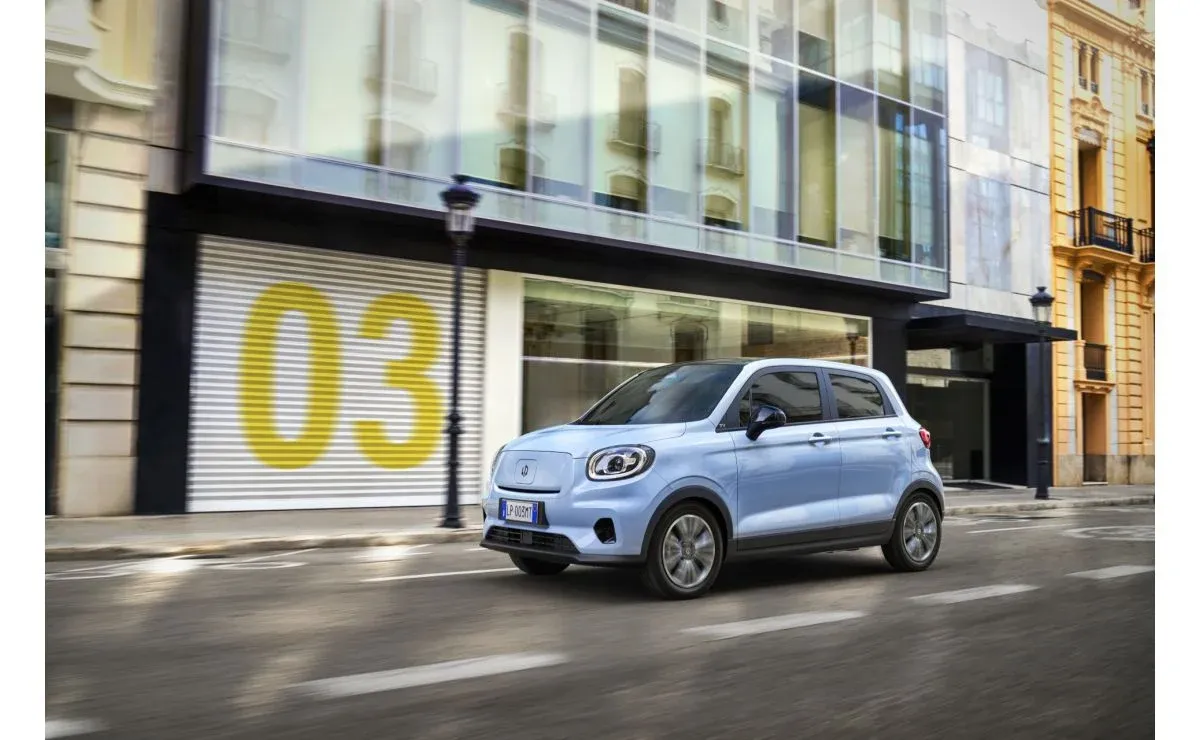
The manufacturer also points out the environmental benefits. Traditional 12 V batteries require periodic replacement, generating large amounts of waste, and according to ADAC statistics, they are the most common cause of e-vehicles being out of service, for example in the German market (editor’s note). Leapmotor claims that widespread adoption of this new solution could eliminate the need to produce tens of millions of such batteries annually in the future. The system is designed to be maintenance-free throughout the vehicle’s lifespan.
The first models using the LEAP 5.0 architecture and CTC 3.0 battery are set to be unveiled in 2027.
Sales Results
New electric cars will contribute to China’s booming trend. Currently, according to CleanTechnica, as much as 65 percent of all cars sold in China are plug-in vehicles, with fully electric vehicles (BEVs) accounting for a record 45 percent. One of the biggest beneficiaries of this transformation is Leapmotor.
Oskar Włostowski