
Congress on New Mobility 2026: What awaits Poland’s e-mobility market?
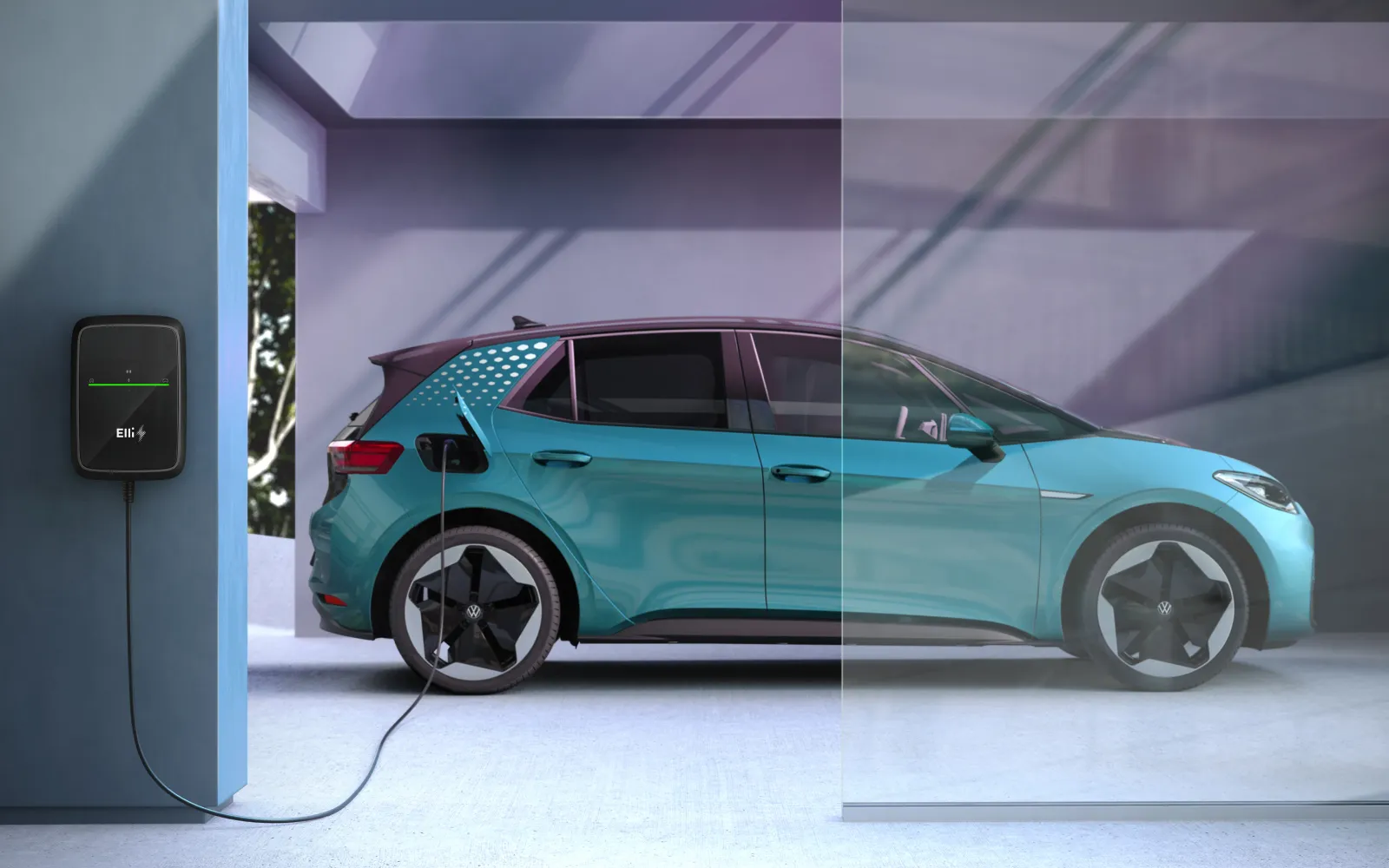
An electric car, bus, bicycle, or scooter? All at once! The future of transportation should not rely on choosing just one mode of travel, but rather on integrating them into a cohesive, accessible, and convenient system. Are Polish cities ready for such a change? Will their city centers regain space for residents? How can the development of electromobility be balanced with the needs of industry, logistics, and millions of drivers? And finally, can Poland use transportation transformation as a boost for the economy, rather than viewing it merely as a cost?
In short:
The upcoming New Mobility Congress 2026 in Katowice (September 23-25) will focus on transportation integration and the challenges of transformation in Poland.
In 2025, over 43,000 electric cars were added, and the number of charging stations exceeded 11,700.
The Polish EV Outlook 2026 forecasts that by 2030, annual BEV sales in Poland will exceed 140,000 units.
The main topics include the transformation of Poland’s automotive industry, the used EV market, and the electrification of heavy transport via eHDVs.
A new phase of transformation. The data speaks for itself
Poland’s electric mobility market is entering a stage where mere increases in the number of cars on roads are no longer the only benchmark. The coming years will determine how Poland’s economy adapts to EU regulations and the upcoming zero CO2 emission target for new passenger cars after 2035.
According to the Polish Association for New Mobility, 2025 saw a record 43,000 new electric vehicle (BEV) registrations in Poland. Meanwhile, the publicly available charging network expanded to over 11,700 stations. However, the latest Polish EV Outlook 2026 report indicates that this is just the beginning of changes. By 2030, the annual number of new electric vehicle registrations in Poland could rise to 140,000 units, accounting for about 25 percent of total new car sales.
Automotive Industry, Subsidies, and the Secondary Market
As the market matures, questions arise about the industry’s future once subsidies for electric vehicle purchases expire. Experts and industry representatives at KNM 2026 will debate whether Poland’s sector is ready for independent development without government support.
The secondary market will play a key role in mainstreaming electromobility. The growth of used electric vehicle trade will be the true test for mass demand. At the same time, adapting the dealer network to new realities and protecting the interests of Poland’s automotive industry remain challenges, as it must develop new capabilities within the e-mobility supply chain.
Heavy transport and infrastructure
Electrification isn’t limited to passenger cars. Increasing pressure is being placed on logistics and heavy transport (eHDV). Building dedicated high-capacity charging hubs along major transportation corridors and near logistics centers will become a key challenge in the coming years.
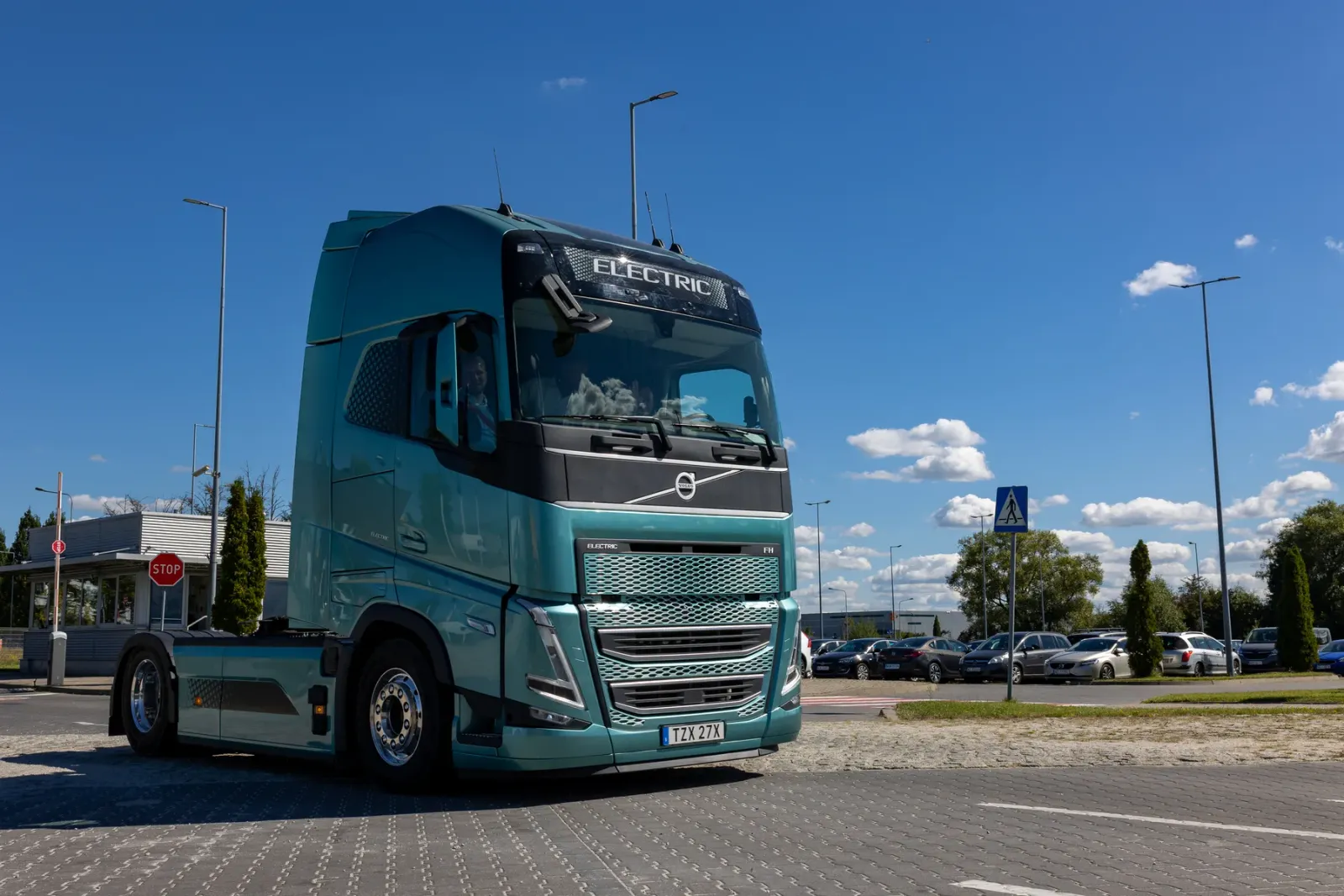
Appropriate infrastructure will determine the competitiveness of Polish transport companies in the European market. TCO analyses for eHDV show that zero-emission trucks can effectively compete with diesel vehicles, provided operators have access to efficient charging networks and tailored energy tariffs.
Reimagined Cities
As vehicles evolve, so too does the approach to urban space. At the event in Katowice, a key focus will be the integration of various modes of transportation: from trains and buses to electric cars, as well as micro-mobility options and bicycles.
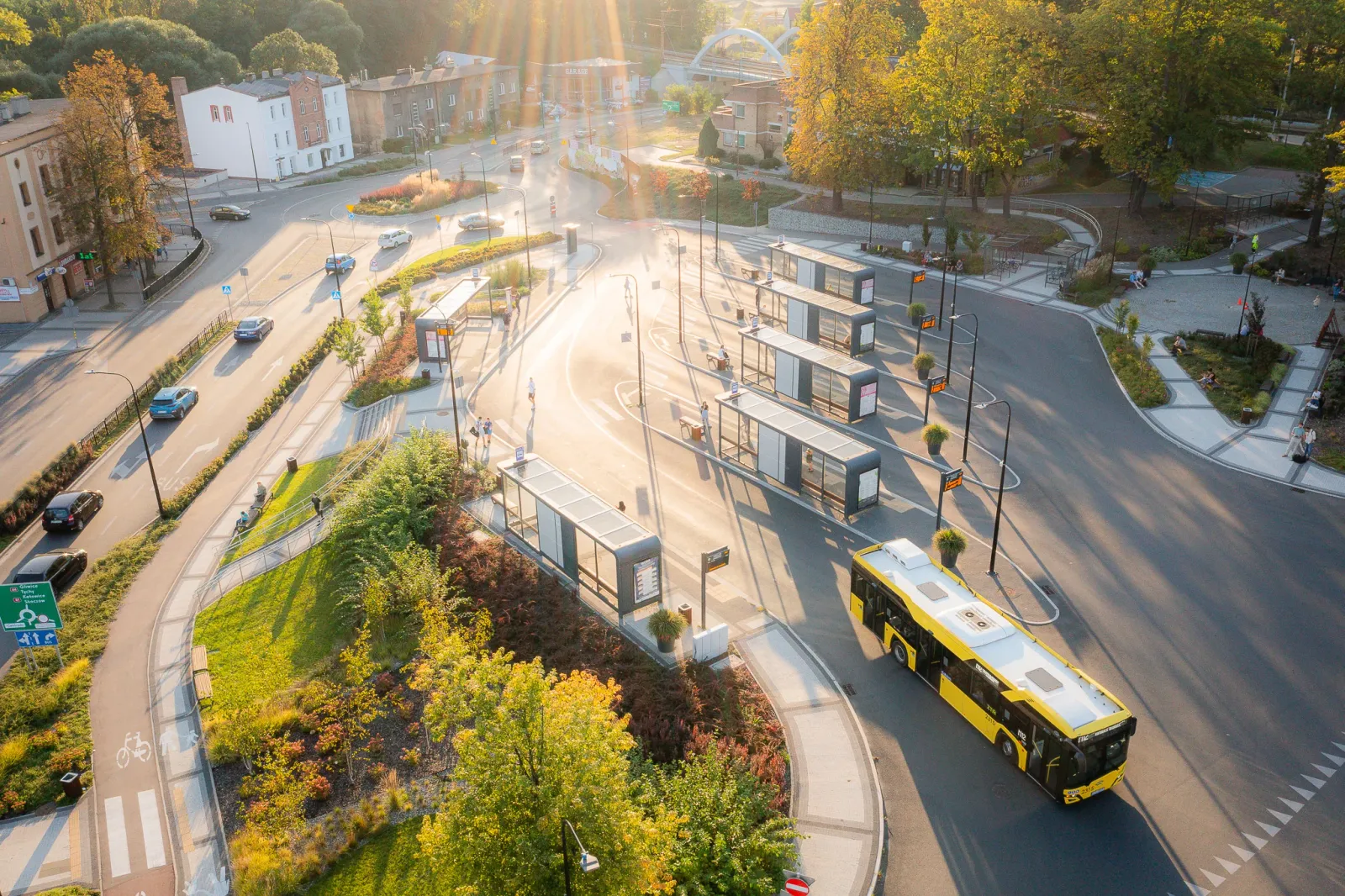
Modern cities should move away from a model reliant on a single mode of transportation toward integrated fare systems and sustainable mobility. A challenge for local authorities remains the seamless integration of public transport with new technologies, as well as optimizing space in urban centers.
Summary
The 2026 Congress on New Mobility in Katowice will be a venue where ambitious forecasts meet hard market data. The transformation of mobility in Poland is no longer a technological novelty but has become a key component of economic strategy. The pace of further changes will be determined by smart regulations, the efficiency of investment in energy networks, and Poland’s companies’ ability to build a competitive advantage in the new zero-emission environment.