
The PE ENVI Committee calls for softer CO2 limits. The target for 2035 is reduced to 95%.
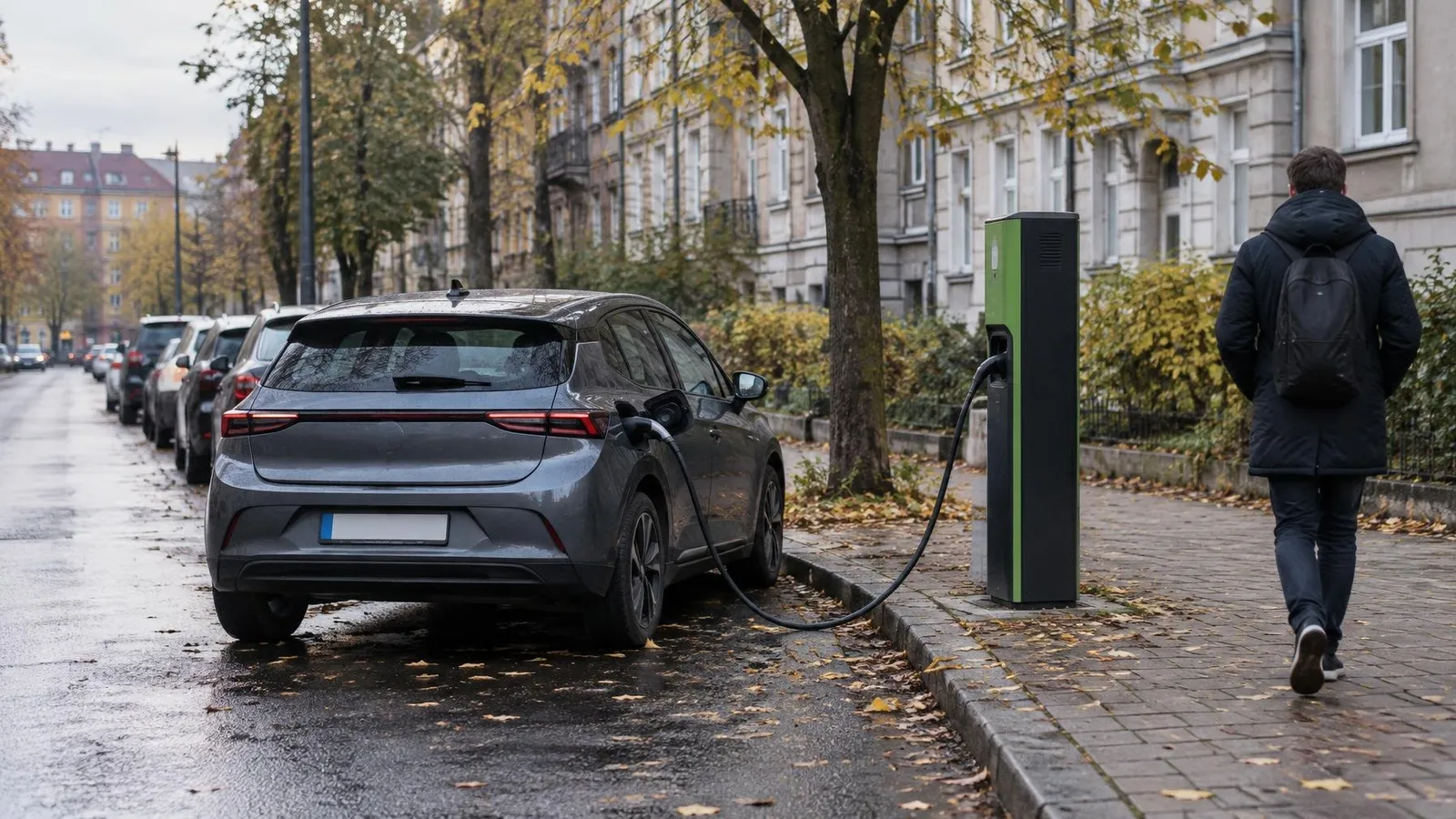
The European Parliament’s Environment Committee (ENVI) backed easing CO2 limits for new passenger and commercial vehicles on November 4. 48 members voted in favor of the proposal, which is part of the EU’s Auto Package, 30 were against, and two abstained. The industry and transport committees had voted similarly earlier. Thus, there are strong indications that the full Parliament will approve relaxing the actual ban on registering new internal combustion engines starting in 2035 in its December vote.
95% instead of 100%, and in practice even 87.5%
The proposal was prepared by negotiators from three factions of the so-called center platform: the Christian Democratic EPP, the Social Democratic S&D, and the liberal Renew Europe. It sets a target for manufacturers to reduce CO2 emissions from new car fleets by 95% by 2035 compared to 2021, rather than 100%. They can receive a credit of up to 7.5 percentage points if they use low-emission steel produced in Europe in their vehicles. In the worst-case scenario, the target drops to 87.5%.
For vans, the cuts are more significant. A target of 35% is proposed for 2030 (the European Commission wanted 40%, while current regulations require 50%), and 80% instead of 100% for 2035, with possible credits for green steel as well. The factions themselves admit that after 2035, room will remain for registering new gasoline and diesel vehicles as well as hybrids. This gives the automotive industry the green light to continue developing gasoline engines.
Most ENVI members also want green steel to be eligible starting from the entry into force of the new regulations by the end of 2034, at a maximum of 3 percentage points.
Massimiliano Salini, an Italian EPP MEP, says, “It will remain possible to allow cars with internal combustion engines without a compensation requirement, which preserves technological freedom and restores prospects for the entire supply chain.” He added that MEPs will also consider zero-emission vehicles to be those running solely on renewable fuels in line with the EU’s RED directive.
Three committees approve it; a plenary vote and the Council lie ahead
The Industry Committee (ITRE) voted on October 22: 49 deputies were in favor, 27 were against, and 5 abstained. In the Transport Committee (TRAN), the result was 27 in favor, 18 against, and one abstention. According to “Handelsblatt,” in ITRE all EPP, S&D, and Renew deputies supported the proposal, whereas such unity was not confirmed in the other two committees. TRAN had originally planned to vote on October 5 but postponed the date by two and a half weeks because the center-right group needed more time to reach an agreement.
The compromise proposed by the MEPs is less stringent than the European Commission’s proposal from late 2025. Brussels wanted a target of 90% (i.e., 11 g CO2/km instead of zero), but the remaining 10% would have to be fully offset by green steel and climate-friendly fuels. The parliamentary version does not require full compensation.
Capital cities also have their own positions. At the beginning of October, talks even mentioned an 80% reduction in CO2, but ultimately Friedrich Merz and Emmanuel Macron agreed on a 90% target without compensation. According to “Spiegel,” this agreement is expected to determine the voting outcome in the EU Council. France, which has previously opposed relaxing regulations, receives German support in exchange for adhering to the “Buy European” requirement. Germany and six other countries demanded weaker targets, all of which have relatively low shares of electric vehicles in sales, although Germany itself recorded 37% electric vehicle sales in October.
In Parliament, a simple majority is sufficient. The Council votes afterward and requires a qualified majority, meaning support from at least 15 countries representing 65% of the EU’s population, so the rules could still change. The plenary vote is scheduled for December.
Source: Electrive
LovEV Newsletter
Want more content like this?
Sign up — we’ll send you a weekly roundup once the newsletter starts.