
How much energy does a parked electric vehicle consume? It depends heavily on the settings.
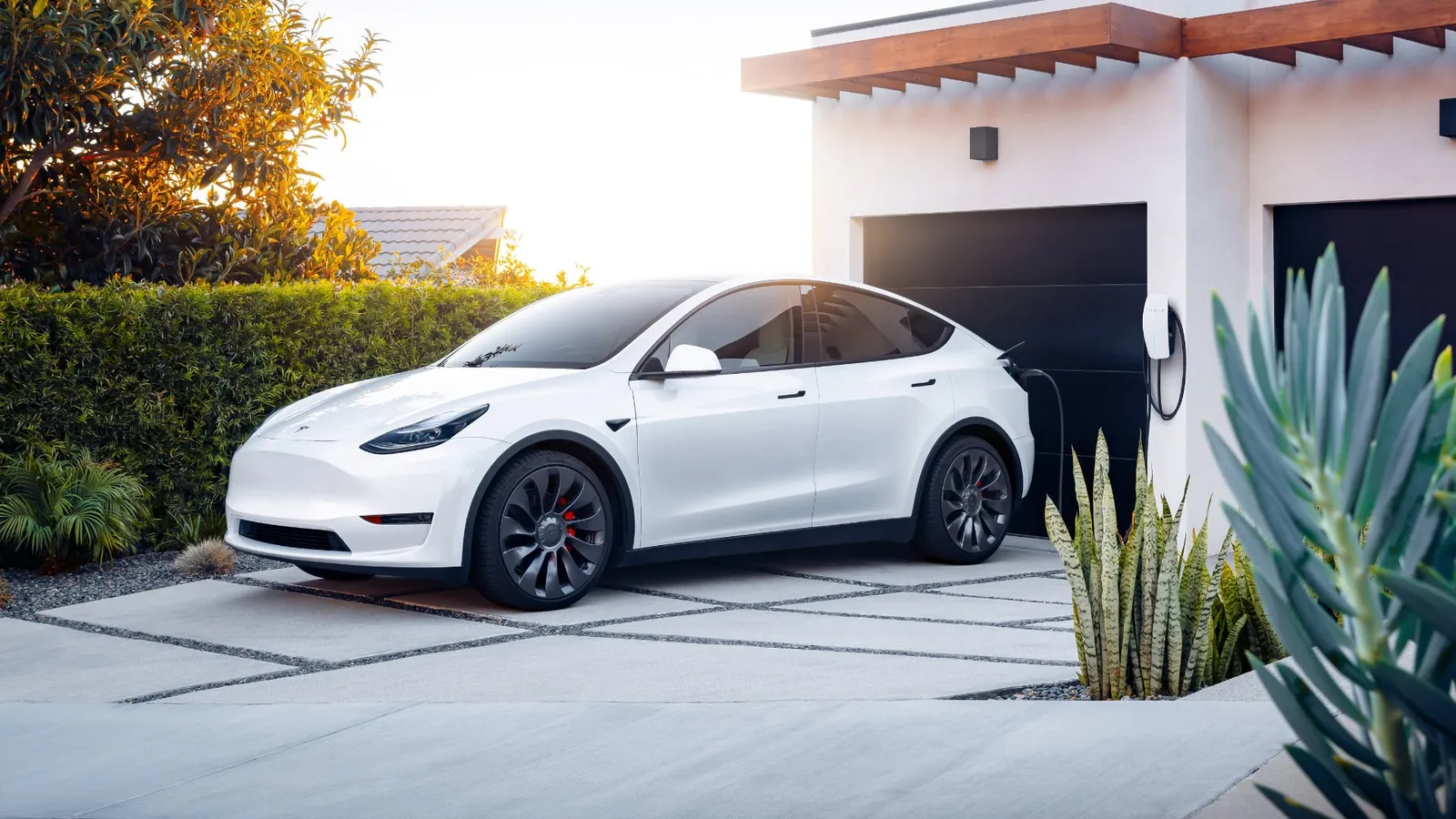
A parked electric vehicle may show a shorter range in the morning. We’ll explain what drains the battery, what role temperature plays, and how to reduce unnecessary consumption.
Where did the range go?
You park your electric vehicle in the evening, get in in the morning, and the display shows a shorter range. Even though the car hasn’t moved, it doesn’t necessarily mean there’s a fault. The result is affected by the actual consumption while parked and by how the vehicle estimates the remaining range.
The calculation of range varies by model. Some vehicles take into account previous consumption or outdoor conditions. Cooling can thus change the assumption for further driving and shorten the displayed range, even though no corresponding amount of energy has disappeared.
In cold weather, part of the energy might also be temporarily unavailable. Tesla indicates this condition with a blue snowflake symbol. Once the battery warms up, energy availability may improve. Therefore, the decrease in range alone doesn’t indicate how much energy the car has consumed.
How much energy does a car really need?
A parked electric vehicle requires energy for electronics, system monitoring, and charging the low-voltage battery when necessary. Additional consumption comes from active features such as camera surveillance of the surroundings or an operating air conditioner.
Tesla states in the Model 3 manual that there may be a loss of about one percent of charge per day. The actual amount depends on weather conditions, equipment options, and settings. This figure serves as a guideline for planning longer periods of vehicle storage.
To give an idea: one percent of a 60 kWh usable capacity corresponds to approximately 0.6 kWh of energy. If this level of loss occurred every day, it would amount to 4.2 kWh in a week. This is a model calculation; actual consumption varies among cars.
How to reduce unnecessary energy use
Before leaving the vehicle unattended for an extended period, check the functions running in the background. Turn off the Sentry Mode camera feature where its protection is not needed. Also verify scheduled preheating and any unnecessary remote requests from apps that might wake the vehicle.
Tesla recommends keeping a Model 3 at about 50% charge for long-term storage, and ideally using a charger with an appropriate power limit. For other electric vehicles, follow their manufacturer’s instructions, as the suitable procedure also depends on the battery type.
Connecting to a charger helps maintain enough energy for the next trip, but operational power consumption still occurs. If you park without access to a charger, leave some charge reserved for returning home. It’s best to assess battery depletion based on the charge level and the standing consumption display.
Sources:
Original text / Elektrickevozy.cz
Tesla – manual (care for high-voltage battery)
Tesla – manual (factors affecting consumption)
Tesla – Guide (operating in cold weather)
Don’t miss
They put a gasoline engine in a Tesla. Now companies in the Obrist group are going bankrupt
Alza reduced the price of a great car accessory. It costs only 92 CZK, and Czechs are praising it
It has solar panels on the wheels. The new electric bike promises a range of up to 225 kilometers