
When will the diesel shortage end?
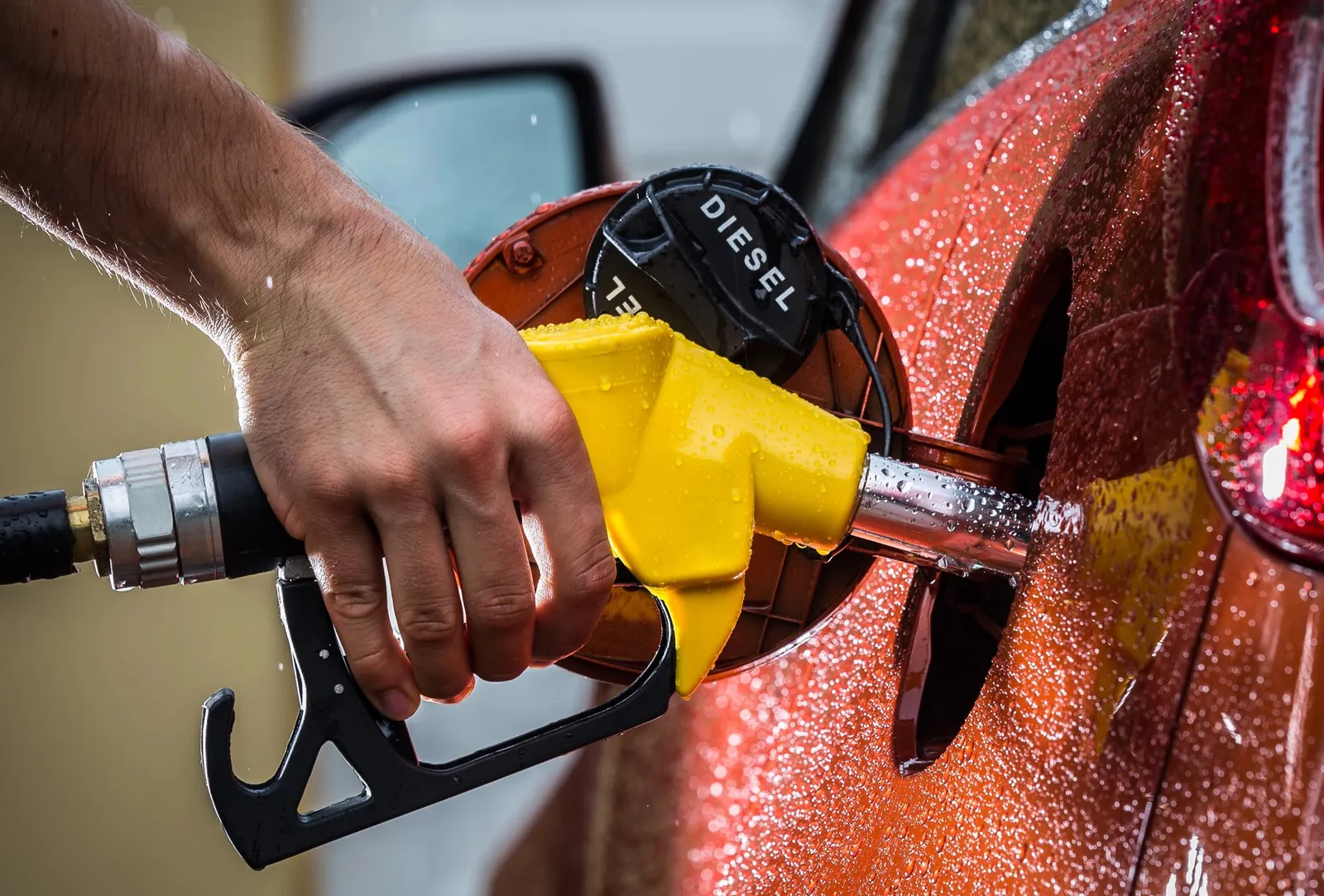
International energy news: Demand erosion as a solution to high diesel prices; El Niño may help ease Europe’s gas concerns; Chinese electric vehicles pose a smaller threat to the EU than batteries; Operation of Denmark’s CCS project has begun.
Table of contents
Demand erosion as a solution to high diesel prices
Improving the diesel market situation is difficult given the ongoing wars between the US and Iran, as well as Russia and Ukraine. Ultimately, high diesel prices should reduce demand, leading to greater market balance. However, the economic consequences will be painful, especially for countries most dependent on this fuel—analyzes Javier Blas, a Bloomberg columnist.
The diesel crisis persists worldwide. Its price in the U.S. has exceeded $6 per gallon (about 3.8 liters) for the first time in history. For comparison, it was around $3.5 at the beginning of this year.
The concerns regarding diesel are much greater than those surrounding jet fuel a few months ago, when shortages were predicted during the summer vacation season according to pessimistic forecasts.
That scenario did not materialize, but Javier Blas notes that increasing diesel production poses a greater challenge. Diesel is the most widely used refined product in the world, accounting for nearly 30 percent of total crude oil demand.
Truck transportation accounts for about half of global diesel production, with the remainder going to passenger transport, construction, mining, agriculture, and other sectors of the economy. China and India consume the most of this fuel, but the effects of the crisis are also felt in the US, Europe, and other—especially the poorest—parts of the world.
The main direct cause of the diesel shortage is the decline in exports of this fuel by Russia and countries in the Persian Gulf. A year ago, they exported around 2.2 million barrels per day, while according to analytics firm Kpler, the current figure is slightly over 0.5 million barrels per day.
At the same time, as China reduced its oil imports from around 11.5 million to 7 million barrels per day, Chinese refineries also cut production, resulting in reduced diesel exports from the country. Meanwhile, countries such as the U.S. and Japan have already exhausted their available oil reserves, and increasing oil supply from other sources takes time.
An even more difficult task, likely to take several years, would be expanding the production capacity for diesel at refineries. Therefore, the only option for now is to utilize the maximum technical capabilities of existing facilities while waiting for high diesel prices to dampen some of the demand.
Javier Blas emphasizes that increasing diesel production also means reducing the output of other refined products, mainly aviation fuel. During the summer, American and European refineries focused on producing as much fuel as possible for airlines.
“Unfortunately, the global diesel market is around 29.5 million barrels per day. For comparison, aviation fuel amounts to just under 8 million barrels per day. That’s why alleviating the diesel shortage is much more difficult than in the case of aviation fuel,” explains Blas.
According to this Bloomberg columnist, the diesel shortage will persist in the long term even if the wars between Russia and Ukraine as well as the United States and Iran come to an end.
In the near term, the El Niño weather phenomenon might bring some relief, as it typically reduces hurricane activity in the U.S. and Gulf of Mexico, meaning fewer disruptions to local refineries. Additionally, El Niño results in milder winters in Europe and South America, which could in turn lower demand for heating oil.
See also: What if Saudi oil disappears from the market?
El Niño could help ease Europe’s gas concerns
A record-strong El Niño this winter might increase wind energy production in Europe, allowing for reduced gas consumption — writes Reuters commentator Gavin Maguire.
Such a scenario, adds Maguire, could help reduce risks associated with relatively low gas inventory levels and lessen pressure on LNG imports by the end of the year.
El Niño is a periodic weather phenomenon characterized by abnormally high water temperatures in the equatorial Pacific Ocean. It occurs every two to seven years and usually lasts for 12 months, affecting temperatures and precipitation worldwide.
According to the World Meteorological Organization, this year’s El Niño could be “stronger than any since records began.” This phenomenon has already been linked to record heatwaves and droughts in Europe this year.
In winter, El Niño typically brings warmer and wetter air to Europe, as well as windier weather conditions.
If the forecasts prove accurate, then — as Gavin Maguire emphasizes — wind farms in the North Sea, as well as in Germany, the United Kingdom, and France, should see an increase in production by 2026. This would help reverse the trend of recent years, which were characterized by weaker winds and lower wind energy productivity.
Certain signs are already visible in Germany, where, according to LSEG data, wind energy production in August was more than 30% higher than the average for that month over the previous two years.
Projections suggest that the impact of El Niño may also persist into 2027, allowing for longer-term reductions in gas consumption during peak electricity demand periods. Gas is currently the most expensive in Europe since late 2022, prompting energy companies to reduce its use in favor of coal, which is more competitive under these conditions.
See also: Why should support for biogas be included in electricity bills?
Chinese electric cars pose a smaller threat to the EU than batteries
EU tariffs on Chinese electric vehicles have led to an increase in imports of hybrid vehicles from China. Now, the EU wants to curb the influx of hybrids into its market. At the same time, it keeps the doors wide open for Chinese battery manufacturers—notes Bloomberg columnist David Fickling.
Fickling emphasizes that EU countries are now producing nearly nine times more hybrid plug-in vehicles than in 2019, while the production of internal combustion engine cars has dropped by about 40%. Despite this, automakers are lobbying in Brussels for weaker emission targets and are also eliminating tens of thousands of jobs.
“This is happening because the current policy reverses the problem. Europe restricts imports of Chinese electric cars but allows unlimited inflow of batteries. Such a situation benefits car manufacturers on the continent, who prefer to use cheaper Chinese products rather than invest in their own. It’s a disaster for the development of modern manufacturing in Europe,” says a Bloomberg columnist.
For example, Automotive Cells Co. (ACC), a company owned by Stellantis and Mercedes-Benz, significantly scaled back its expansion plans after its owners strengthened their partnership with CATL. Similarly, PowerCo, a subsidiary of Volkswagen, limited its plans to build factories due to collaborations with CATL and Gotion.
Although Chinese brands accounted for less than 7% of new car sales in the EU over the past half year, this figure has caused a great deal of concern. Meanwhile, the fact that Chinese suppliers hold over 50% of the EU’s battery market does not draw much attention.
Meanwhile, it is precisely around this key component that policymakers should focus their attention, as it forms the foundation of the entire industrial ecosystem that extends beyond just the automotive sector. Batteries are also crucial for energy storage, data centers, defense, and many other areas of the economy.
According to David Fickling, the EU’s goal should be to build a few significant battery manufacturers capable of competing in the global market. However, the trend is opposite, as European car makers prefer to rely on Chinese solutions rather than invest in their own capabilities.
See also: 10 billion in savings: how electric vehicles can ease pressure on Poland’s power grid
Operation of Denmark’s CCS project has begun
Up to 4 to 8 million tons of CO2 per year could eventually be stored in a site on the bottom of the North Sea as part of the Greensand project. The first phase of this initiative, which allows for storing 400,000 tons of CO2 per year, was put into use in recent days, according to the Financial Times.
The project is being carried out by a consortium led by the British chemical company Ineos, and it receives support from both the EU and government agencies. The storage site is located about 250 km off the Danish coast.
Ineos emphasizes that this is the first full-scale CCS project located entirely within the European Union. Its initial clients include companies that produce biomethane in Denmark, enabling them to achieve so-called negative CO2 emissions.
The condition for Greensand’s further development is interest from additional companies that want to capture and store CO2 to avoid rising costs of purchasing emission allowances. CCS is primarily seen as a way to decarbonize industries such as steelmaking, chemicals, and cement production.
According to the European Commission’s plans, the EU should achieve a capacity for capturing and storing CO2 of 50 million tons by 2030. However, this goal seems unlikely given the scale and pace of implementation of other projects.
The “Financial Times” notes that initiatives like Greensand bring some optimism to the prospects for CCS market development.
The newspaper also notes that at the beginning of September, the chemical company Yara began capturing up to 800,000 tons of CO2 from ammonia production in the Netherlands. It is intended to be stored in the North Sea as part of the Northern Lights project.
See also: Energy Ministry relaxes key tariff criteria for industry