
Kia updates one of its best-known cars: it’s hybrid, doesn’t require charging, and costs starting at 19,860 €
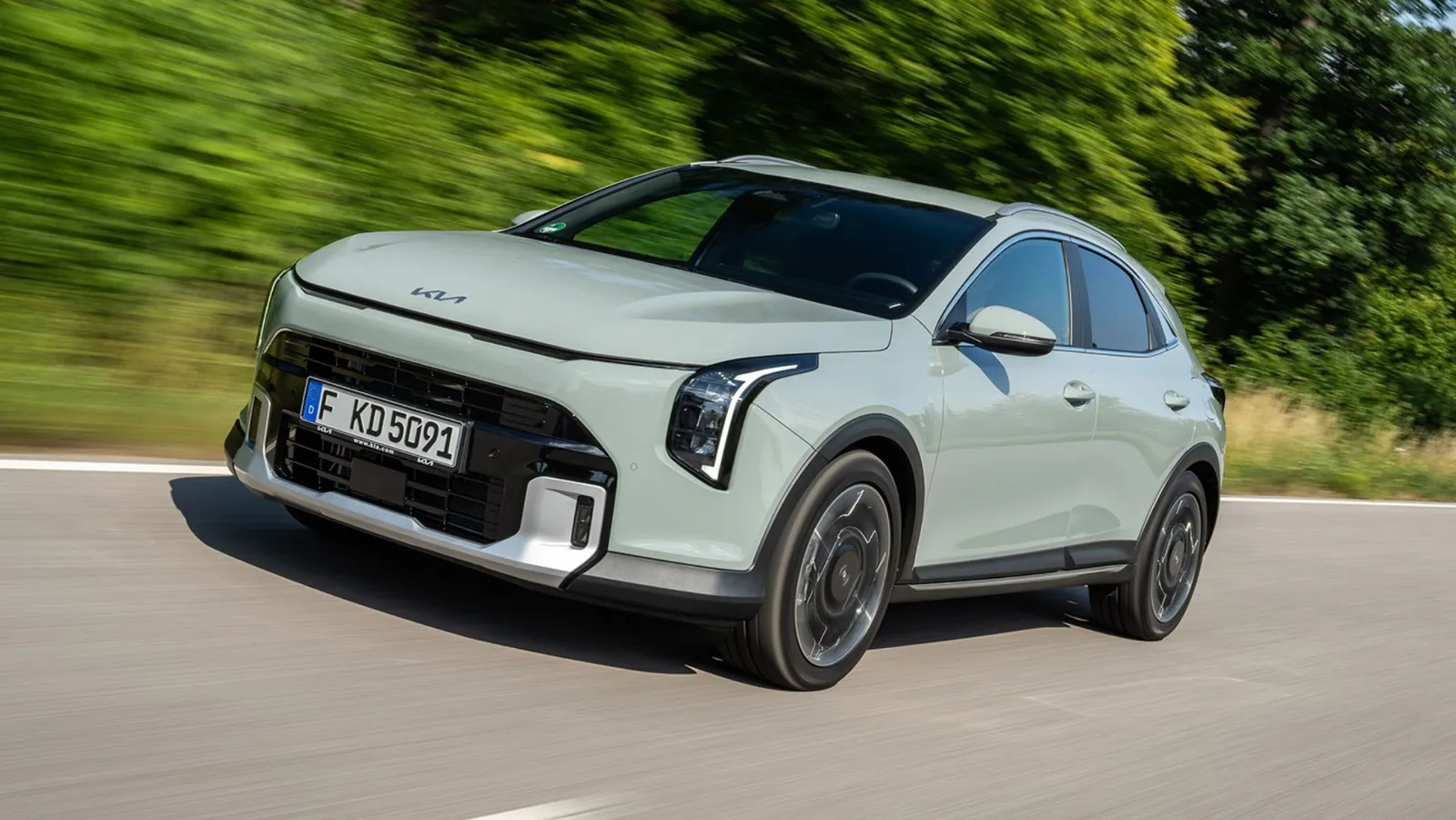
Kia has decided to continue offering in Europe one of its most distinctive models from its lineup. The Kia XCeed receives updates with design changes, more technology, new driving assistants, and a powertrain where lightweight hybrid versions still play a significant role.
The refresh isn’t a radical change, but rather a notable evolution of a model that aims to remain an option for those who aren’t ready to switch to an electric car. Its approach combines that of a compact crossover with electrified combustion engines and more comprehensive technological features.
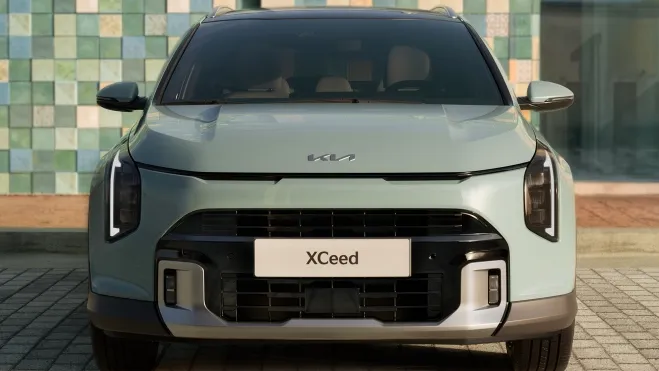
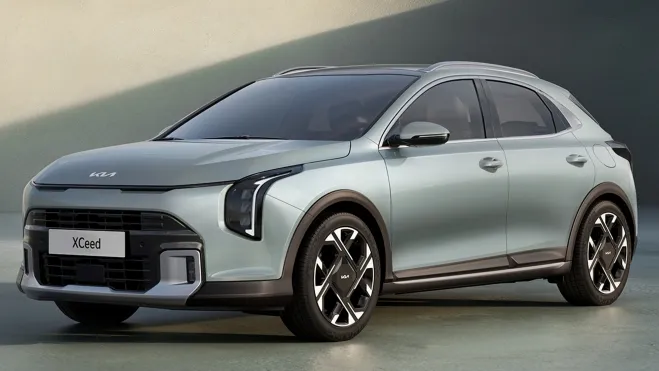
The XCeed changes both on the outside and inside
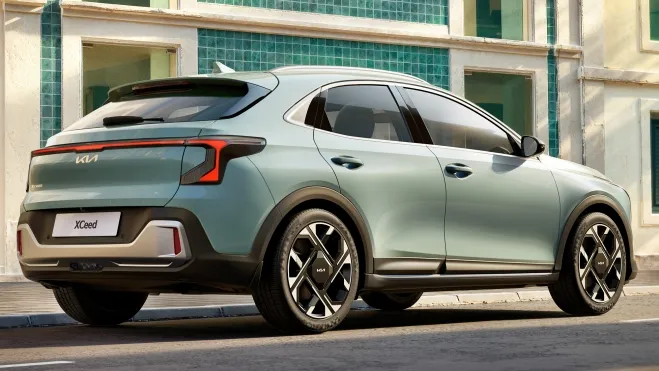
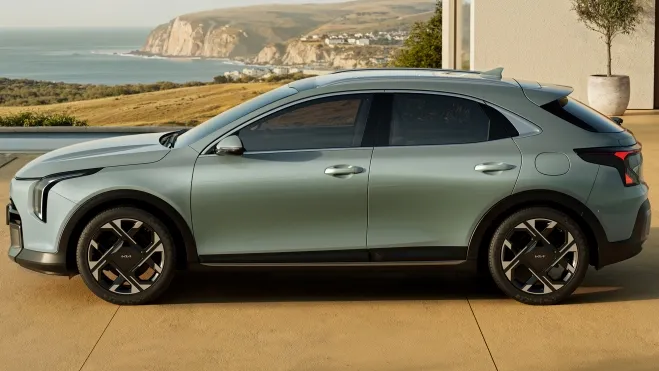
The exterior modifications affect the hood, front bumper, air inlets, front grille, lighting units, and side skirts. The rear also features a redesigned trunk lid, bumper, and light signature.
Tires are available in 16 and 18 inch sizes, while the front fender has been reduced by 15 millimeters. Despite these changes, the Kia XCeed maintains a compact size and retains a trunk capacity of 426 liters, which drops to 380 liters in the microhybrid (MHEV) variants.
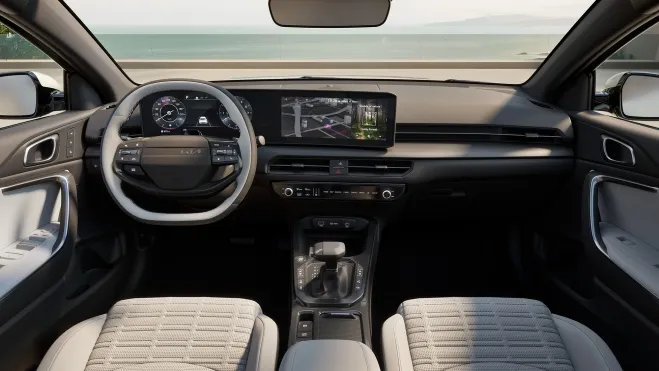
The technological leap becomes even more apparent when the doors are opened. The digital dashboard and central screen now each measure 12.3 inches, creating a dual digital surface. The new system is compatible with Kia Connect and the company’s app, allowing users to access vehicle information and various functions remotely.
Digital Key 2.0 is also introduced, enabling compatible smart devices to be used as car keys, along with wireless charging for mobile phones.
More assistants and a slightly more comfortable XCeed
Kia has used this update to enhance the safety features. Among the available systems are road driving assist, adaptive cruise control, lane keeping and tracking, blind spot assistant, rear cross-traffic braking, and a front collision prevention system that can detect vehicles, pedestrians, and cyclists.
There is even an interior camera designed to detect possible signs of driver distraction or fatigue. Not everything is electronic. The brand has also worked on the rear suspension and noise and vibration insulation, aiming to improve comfort for rear passengers and driving performance on long trips. Meanwhile, the Normal and Sport modes have been recalibrated to create a clearer distinction between them.
Gasoline and mild hybrid instead of full electrification
The engine lineup adopts a fairly pragmatic approach. The 1.0 T-GDI engine produces 115 horsepower and can be paired with a manual transmission or a seven-speed dual-clutch transmission. In either case, it can be combined with mild hybrid technology. Above that is the 1.6 T-GDI gasoline engine, available with 150 or 180 horsepower, always paired with a 7DCT automatic transmission.
The use of MHEV solutions allows for reduced fuel consumption and the benefits of mild electrification without the need to install a large battery or rely on a charging outlet.
Slovakia Remains a Key Player
There is an important industrial aspect behind the XCeed: Kia has been developing much of its European strategy around Žilina, Slovakia, for years. The company’s European division, headquartered in Frankfurt, oversees its production on the continent from these facilities, which constitute a vital part of Kia’s industrial presence in Europe.
That European approach doesn’t end at the factory either. The development of the new Kia XCeed involved teams from Korea and Hyundai Motor’s European Technical Center, while much of the engineering testing was conducted in Spain, Sweden, and other European countries to adapt the vehicle to the roads and preferences of this market.
The Kia model is available starting at 19,860 euros, including VAT and shipping, and it continues to compete in the C-segment with a body style that blends elements of a compact car and a crossover. The brand defines the Xceed as a “bridge technology” within its European electrification strategy.
The result is a more digital and refined automobile, but it retains a quite recognizable formula: compact size, slightly elevated seating position, electrified gasoline engines, and an affordable price that remains one of its main selling points.