
Kia sets a deadline: aims to sell more electric cars than gasoline cars in Europe by 2030
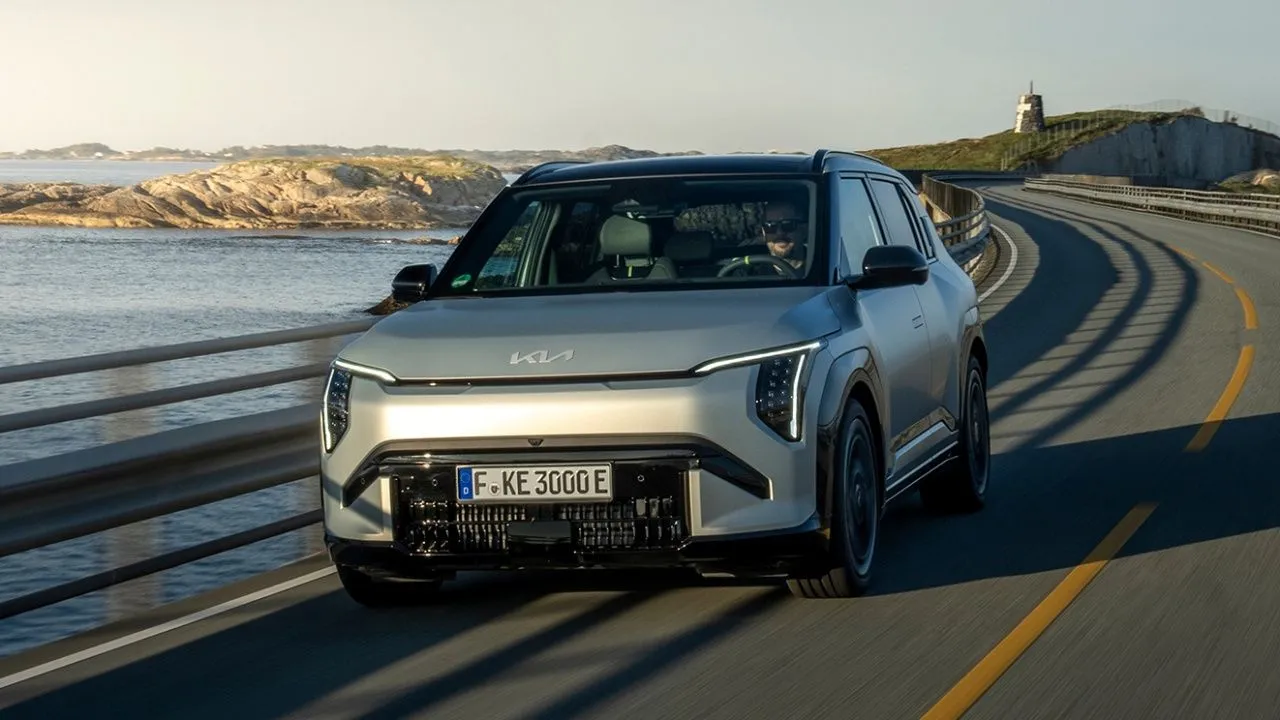
Kia is seeing the moment when electric cars will account for the majority of its sales in Europe draw nearer. Sjoerd Knipping, head of operations at Kia Europe, expects this shift to occur by 2030, driven by an expanding range and the introduction of options that make it possible to access this technology at more affordable prices.
This forecast refers to sales of the brand itself in Europe. This is an important distinction, as the pace of adoption remains very different across countries and manufacturers. For Kia, electric vehicles already made up over 30% of its European sales in the first half of the year, while in Germany they accounted for approximately 42%.
In the interview, Knipping identifies several factors driving demand: a greater variety of models, rising fuel prices, and government programs to support purchases. Added to these is a fundamental element: having cars that fit both the budget and the typical needs of a family.
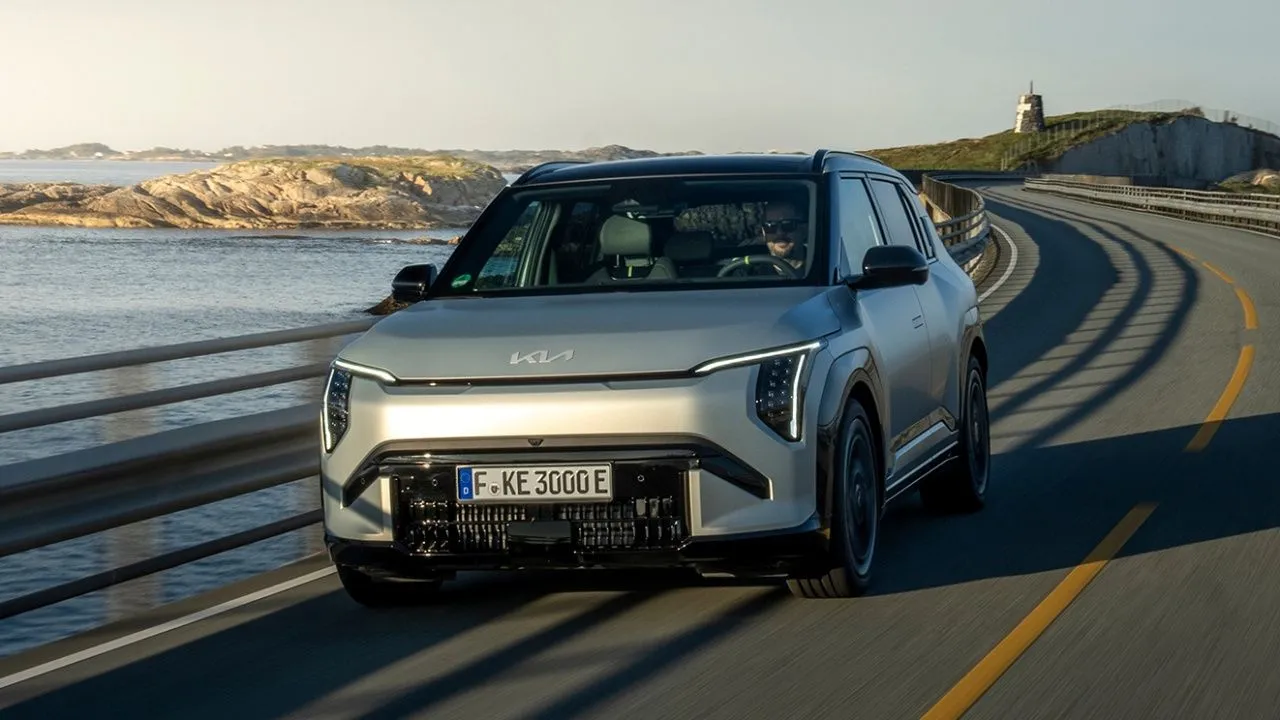
The Kia EV3 is currently the brand’s best-selling electric vehicle. However, the executive assigns a particularly important role to the EV2, which is positioned one tier below and designed for buyers who previously found existing models too expensive.
Their approach goes beyond simply offering a small car for urban commuting. Kia aims to make a compact and affordable electric vehicle the main car in households, with enough space and range to cover daily trips as well as longer journeys.
Price and confidence in range will set the pace
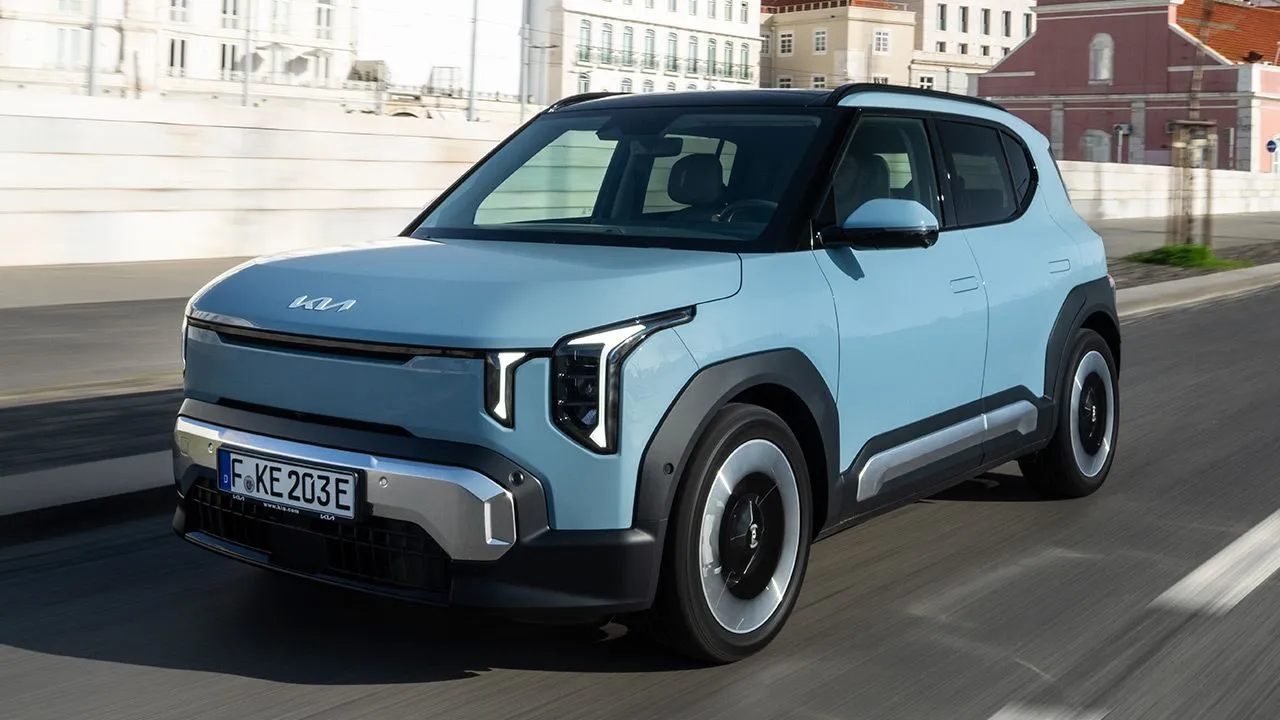
According to Knipping, demand for the EV2 is exceeding the company’s expectations. One notable aspect is the positive reception of the version with the smaller battery, which he interprets as a sign of greater confidence in the range of current electric cars.
For Spanish buyers, Kia’s figures show that the EV2 with a 42.2 kWh battery pack has a WLTP range of up to 317 kilometers, while the 61 kWh version can reach up to 453 kilometers WLTP, depending on the configuration. The brand claims a 10 to 80% charge time of approximately 29 or 30 minutes, depending on the version.
The choice between the two batteries has direct consequences for the budget. Those who can charge at home and mainly drive short distances daily may find the entry-level version sufficient. For frequent travelers, the larger battery allows for more driving range between stops. In any case, the rated range should not be confused with that achieved while on highways.
Knipping believes that price remains one of the main barriers to increasing electric car adoption. He predicts that change will accelerate as the gap with internal combustion engine models narrows. More options certainly help, but those options must be economically accessible to an increasing number of households.
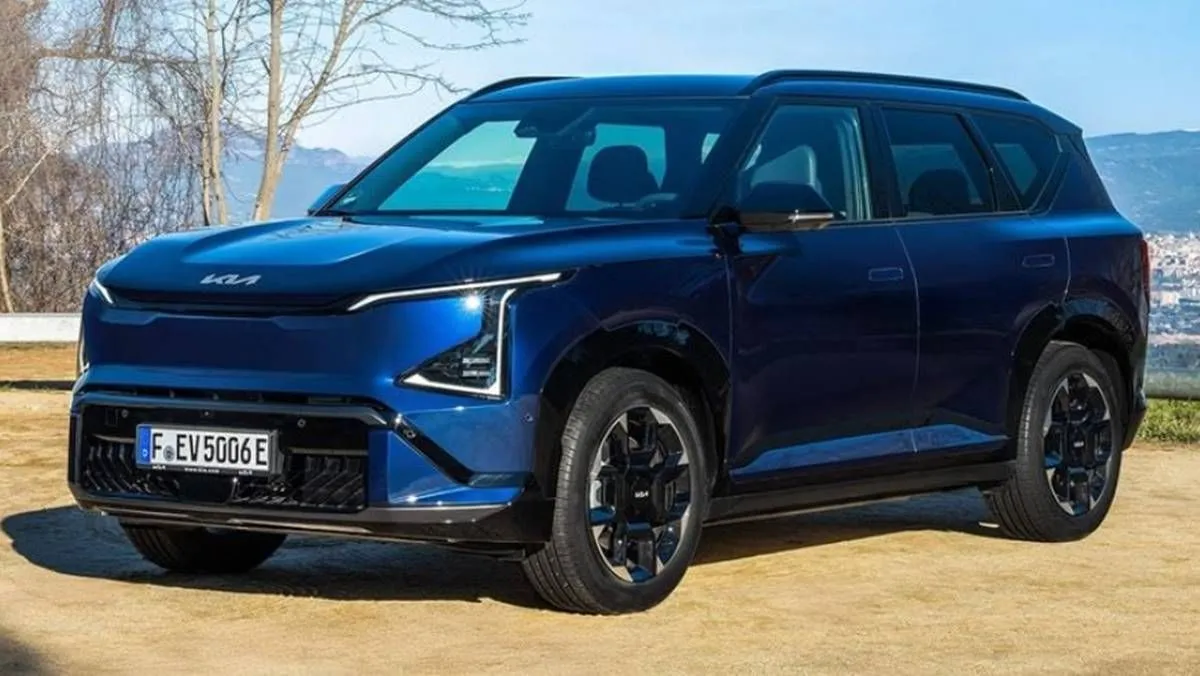
In Spain, this issue is particularly important: the upfront cost, the possibility of installing a home charger, and the terms of subsidies all play a role in the decision-making process. A promotional price also doesn’t tell the whole story if it requires financing, the delivery of another car, or deductions from a subsidy. To compare alternatives, it’s crucial to know exactly how much will be paid and under what conditions.
The executive also offers an interesting insight regarding rapid charging. Against the trend of competing to announce ever-larger power outputs, he emphasizes the importance of maintaining high power levels throughout the charging session. In the interview, he cites peak values of up to 128 kW for the EV3 and 118 kW for the EV2, but insists that what matters truly is how quickly the vehicle can recover energy from 10% to 80%.
For those who use the vehicle for trips, this makes a practical difference. Briefly reaching a high peak does not guarantee a shorter charging time if the power drops rapidly afterward. The battery pack capacity, temperature, and charging curve also determine how long it takes to charge fully.
Norway comes up in the discussion as an example of a market where electric vehicles already dominate new registrations. Knipping attributes this outcome to the combination of economic incentives, practical advantages, and a well-developed charging infrastructure. At the same time, he acknowledges that each European market has its own characteristics and that it’s not sufficient to apply the same approach to all countries.
Kia will continue to offer hybrids, plug-in hybrids, and other powertrains as long as there is demand. Long-range electric vehicles, which use a combustion engine as a generator, are not currently among the priorities identified by the executive.
The strategy for growth involves expanding the EV2’s customer base, strengthening the lineup with all-wheel-drive versions, and adding GT sports variants. These are targeted at different buyers, but share a common goal: to make electric vehicles stop being a niche option within the brand. Knipping predicts this change will occur by 2030; price and ease of use will be decisive factors in achieving it.