
The Kia K4 is a classic family car that makes perfect sense.
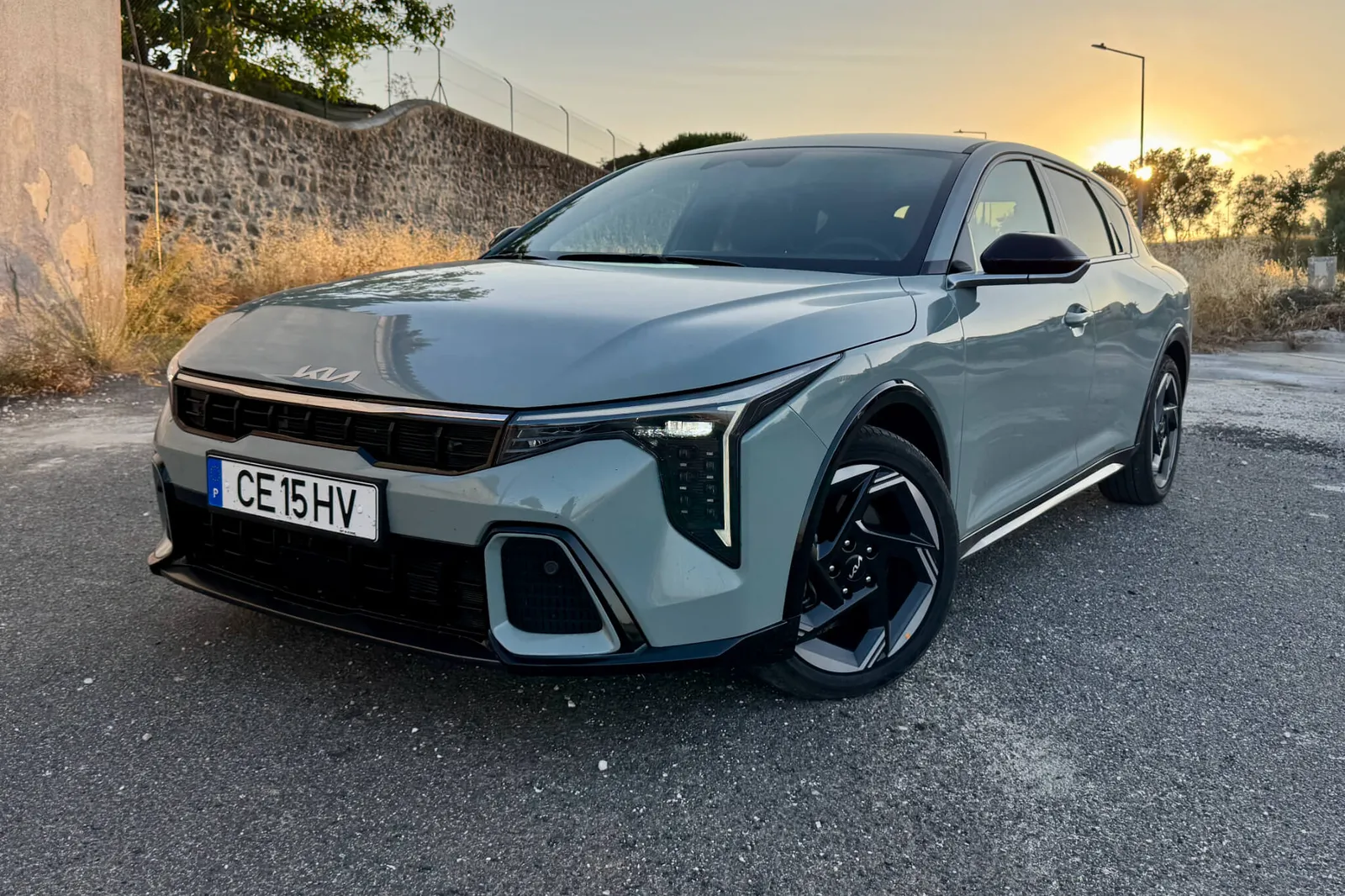
In a market dominated by SUVs, the Kia K4 reminds us why a good compact family car still makes perfect sense.
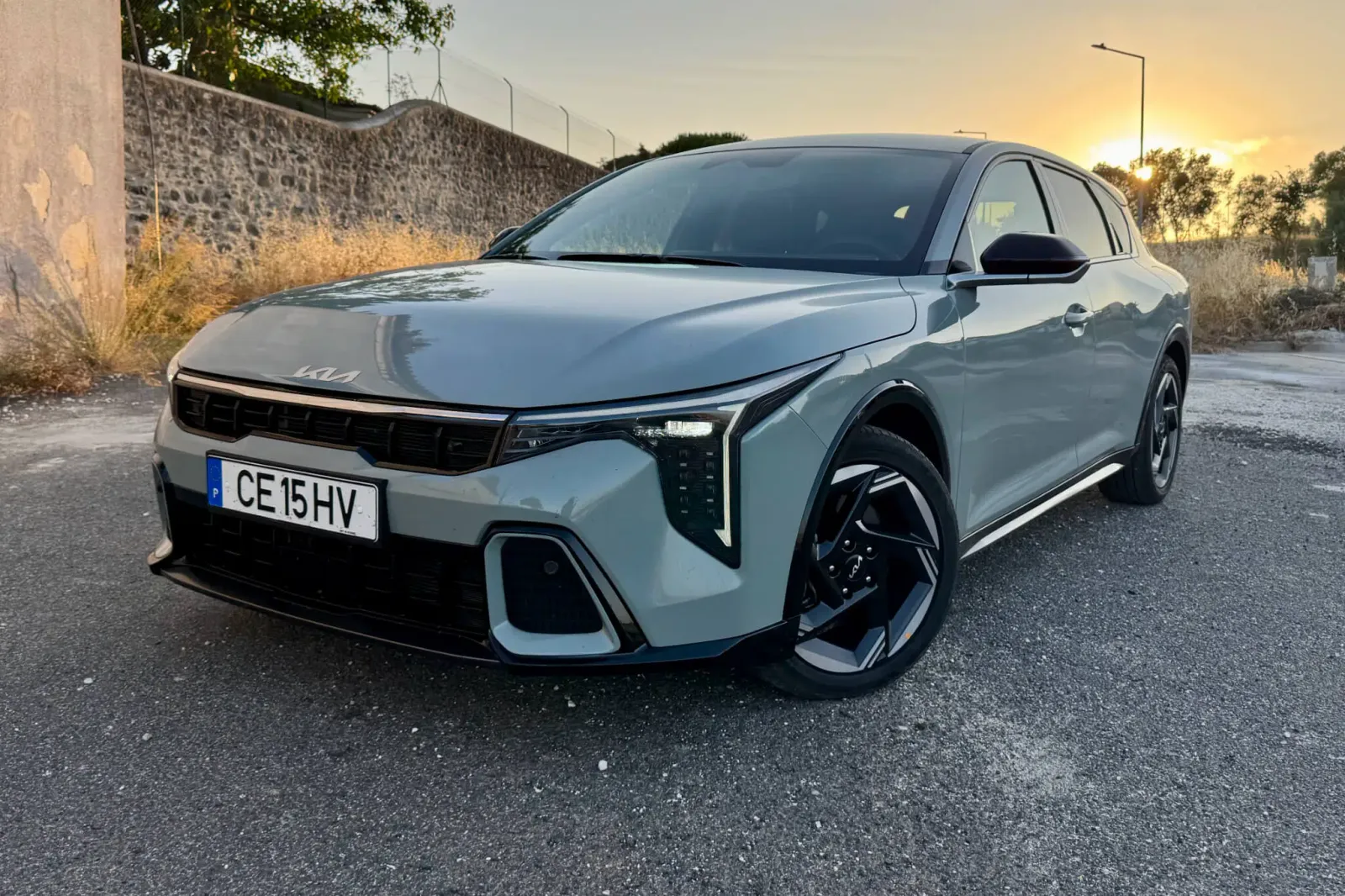
Kia K4 GT-Line
7/10
Some cars aim to impress with their numbers. Others with their design. The Kia K4 has a simpler and more successful ambition: to excel at what truly matters.
Pros
Well-tuned chassis
Ergonomics
Standard equipment
Comfort vs. handling balance
Cons
Fuel consumption
Trunk capacity
Very conservative Eco mode
While almost the entire automotive industry seems determined to convince us that the next car must be an SUV, electric, or ideally both at once, Kia has chosen to take a different path. The new K4 is designed to replace the Ceed without relying on plug-in hybrid or electric powertrains—only gasoline engines.
At first glance, this seems like a strange decision. After all, we’re talking about the same brand that has invested billions of euros in its EV lineup and is now one of the leaders in the electric car sector.
However, Kia knows that despite all the talk about electrification, there are still thousands of drivers who travel long distances, live in apartments without charging options, or simply don’t want to switch to a different technology. For these customers, a good gasoline car still makes perfect sense.
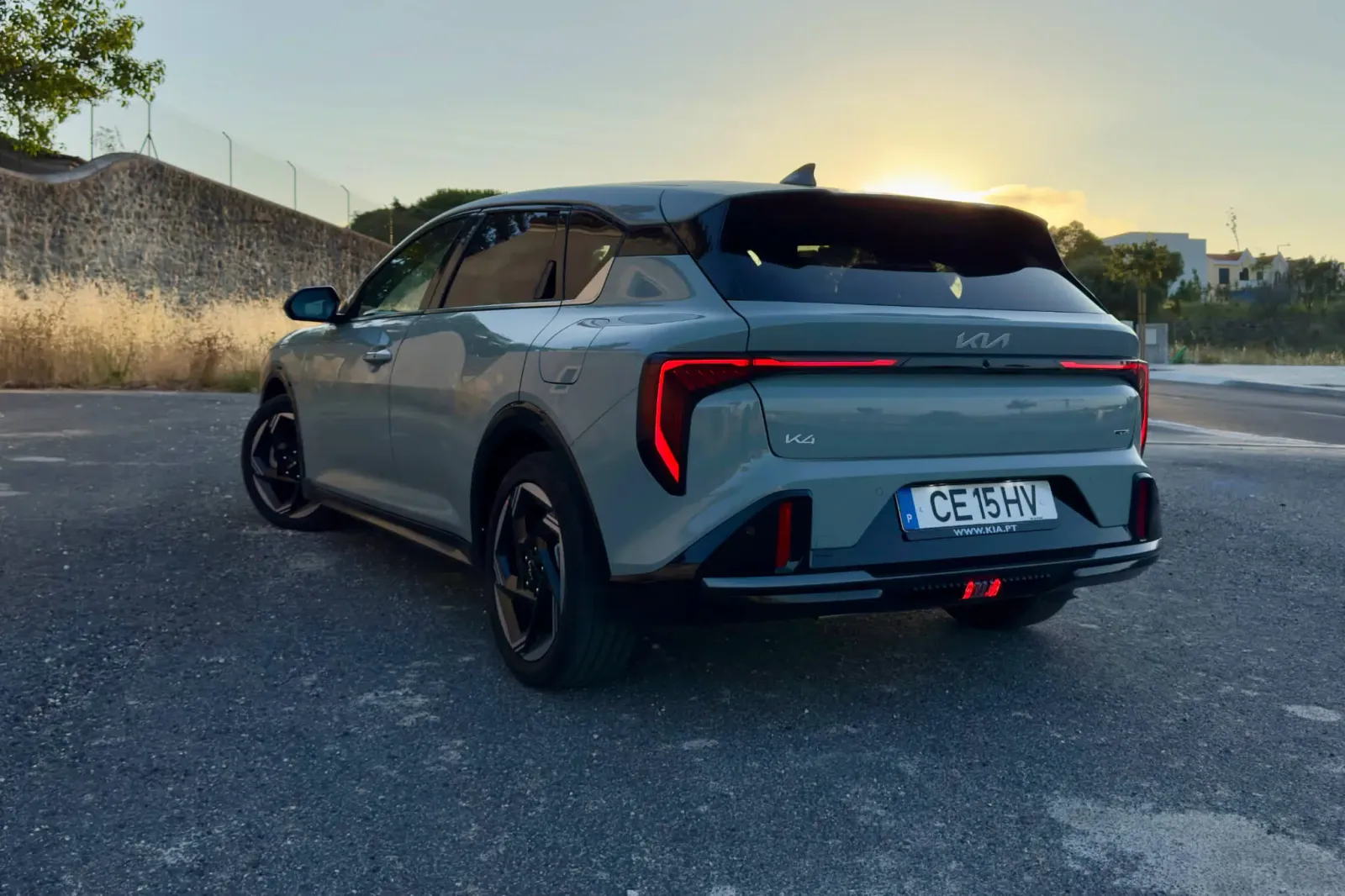
And it is precisely here that the Kia K4 comes in. To see if it still makes sense to go for a “traditional” model, I spent a few days behind the wheel of the 115 hp 1.0 T-GDi version equipped with a dual-clutch automatic transmission.
SEE ALSO:
I drove the Leapmotor electric car that’s as cheap as its gasoline rivals
A family car that refuses to go unnoticed
In recent years, Kia has shifted from producing models with a modest and discreet appearance to one that captures everyone’s attention, blending aggression with sportiness in compelling ways. The Kia K4, with its low and wide design, is a great example of this.
The influence of the Opposites United philosophy can be seen in almost every aspect of its body design. The “Star Map” lighting signature, inherited from the EV lineup, gives it a visual resemblance to the brand’s electric models, while its textured surfaces and highly vertical front end contribute to its unique personality.
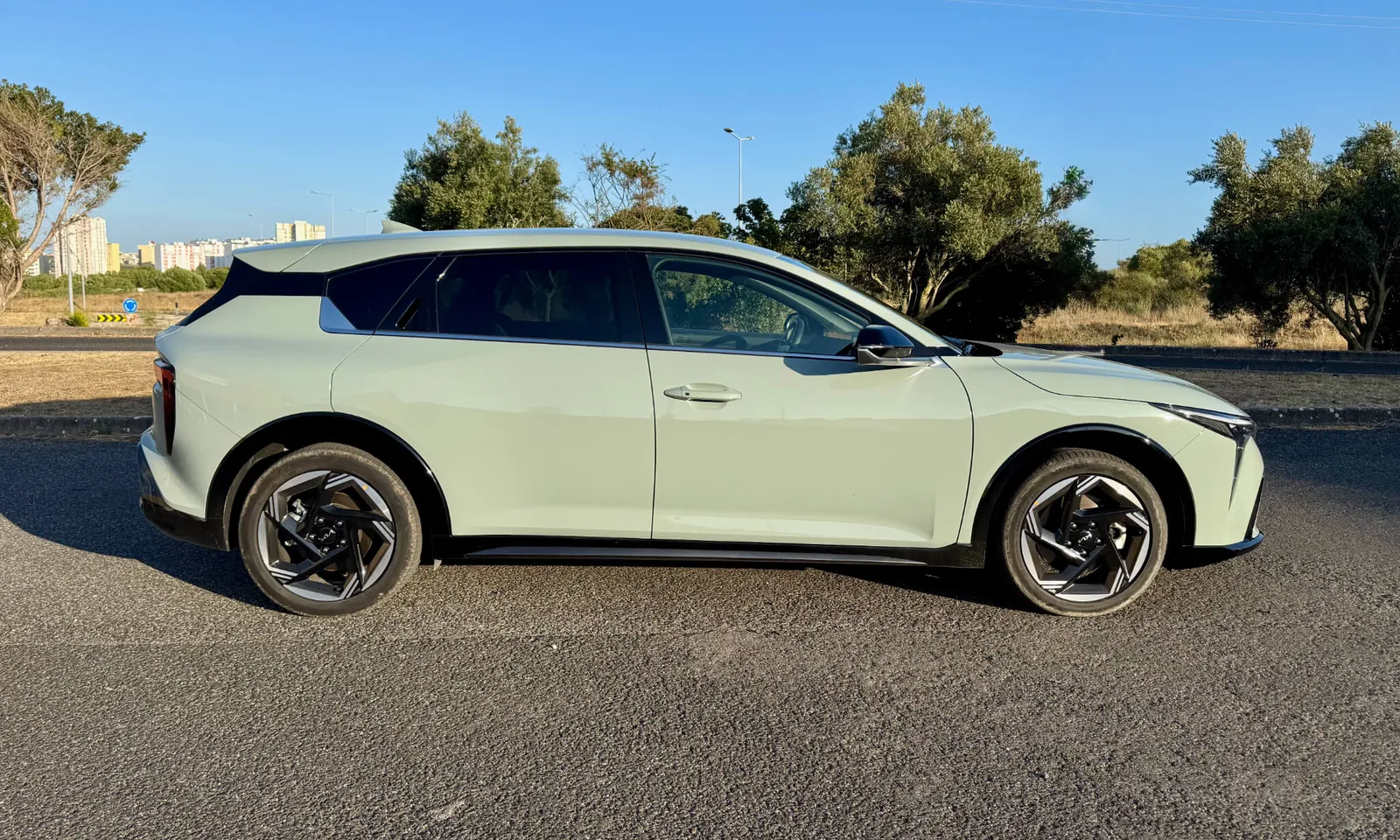
At the same time, its low height — just 1.44 meters — helps maintain an elegant silhouette, far removed from the high stance that characterizes almost all SUVs today.
DO NOT MISS:
Opel Astra 2026 changed little but in positive ways. First impressions behind the wheel
Modernizing without complicating things
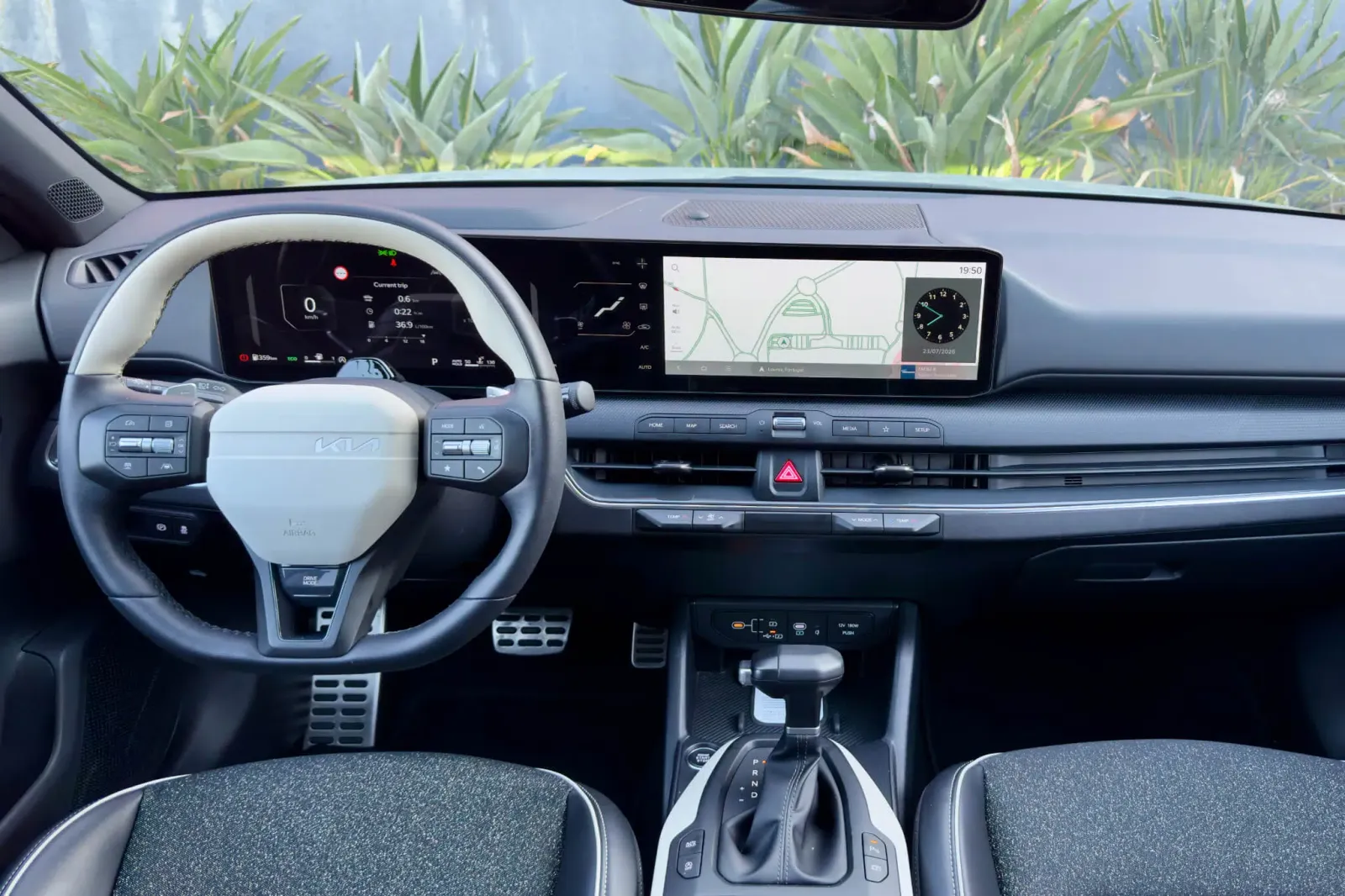
This is a concerning trend in the automotive industry. The more screens there are, the less intuitive cars seem to become.
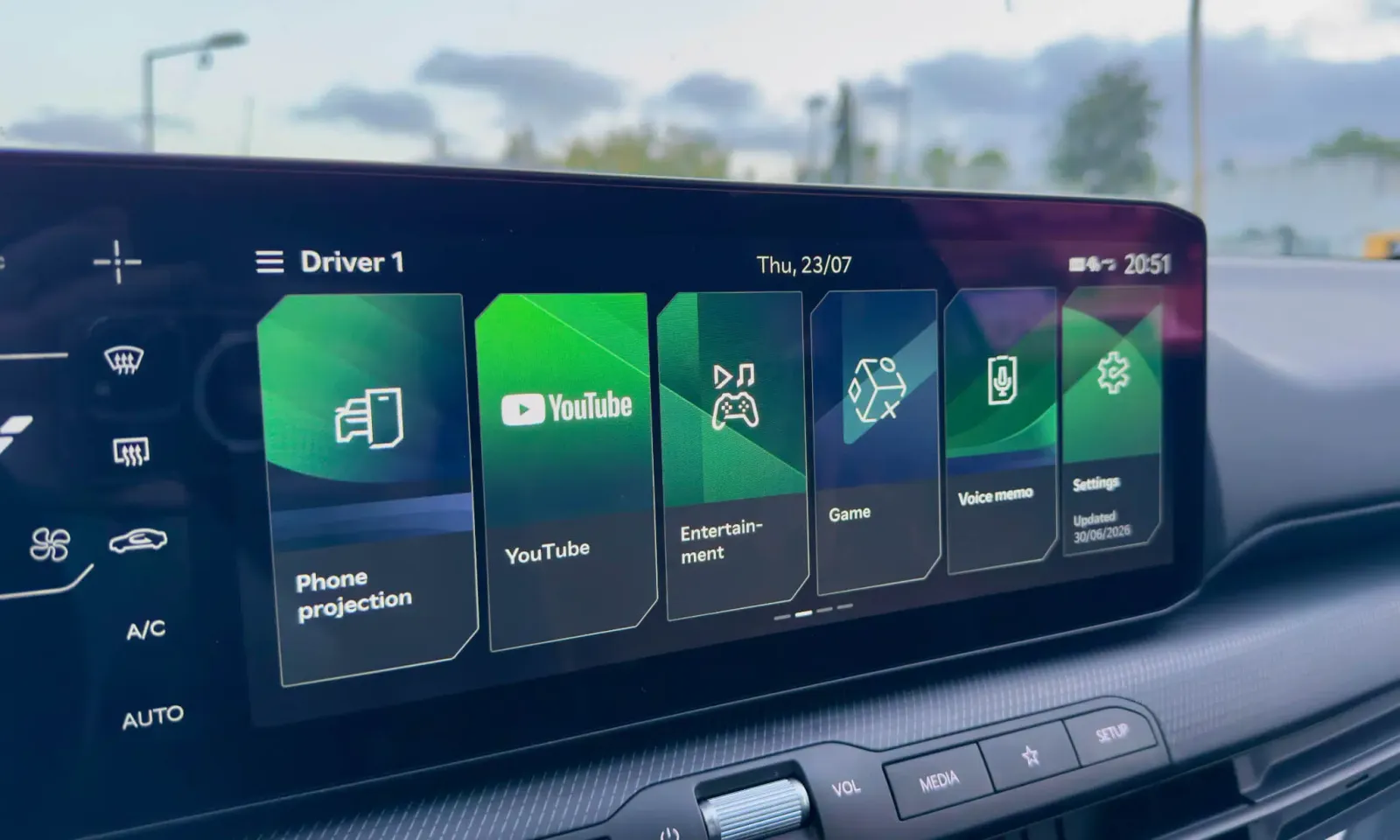
Fortunately, Kia has not fully succumbed to this temptation yet. The K4 features a clearly modern interior dominated by screens, but thankfully it still reserves space for physical controls for the functions we actually use every day. It may seem like a minor detail, but just drive a few kilometers to realize the difference.
2 images
The climate control remains easy to use, the controls on the steering wheel are where we expect them to be, and almost everything works intuitively. It’s a car that doesn’t require the driver to learn a new set of controls.
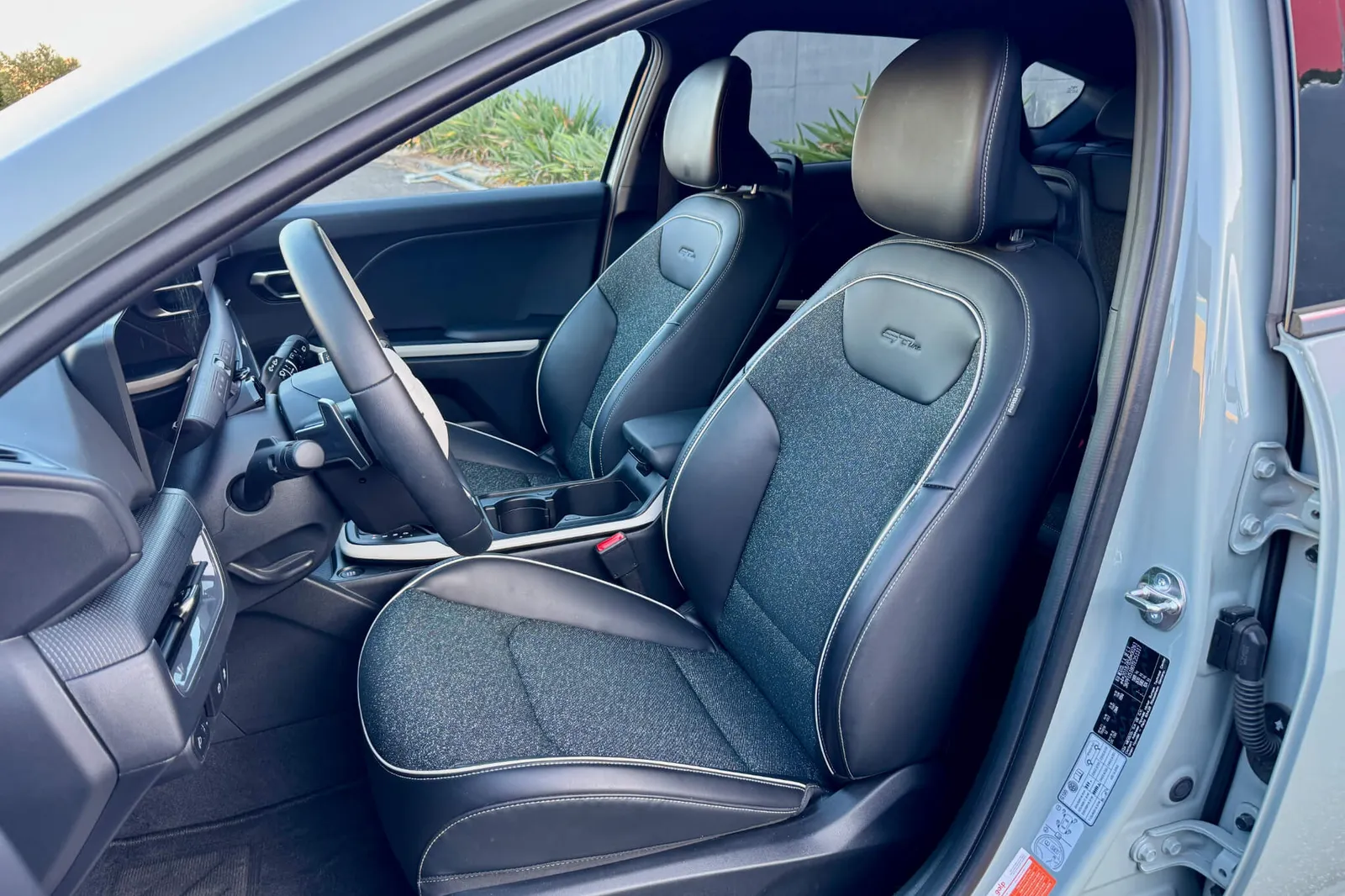
The driving position also deserves praise. We sit relatively low, similar to a traditional hatchback, which enhances the driver’s connection to the vehicle. Additionally, the seats in this GT-Line version offer a good balance between comfort and lateral support.
3 images
In terms of quality, there are naturally stiffer plastics in the lower areas of the cabin, which is perfectly normal for this segment. On the other hand, the surfaces we actually touch offer an interesting perceived quality and a solid build, confirming Kia’s progress over the past few years.
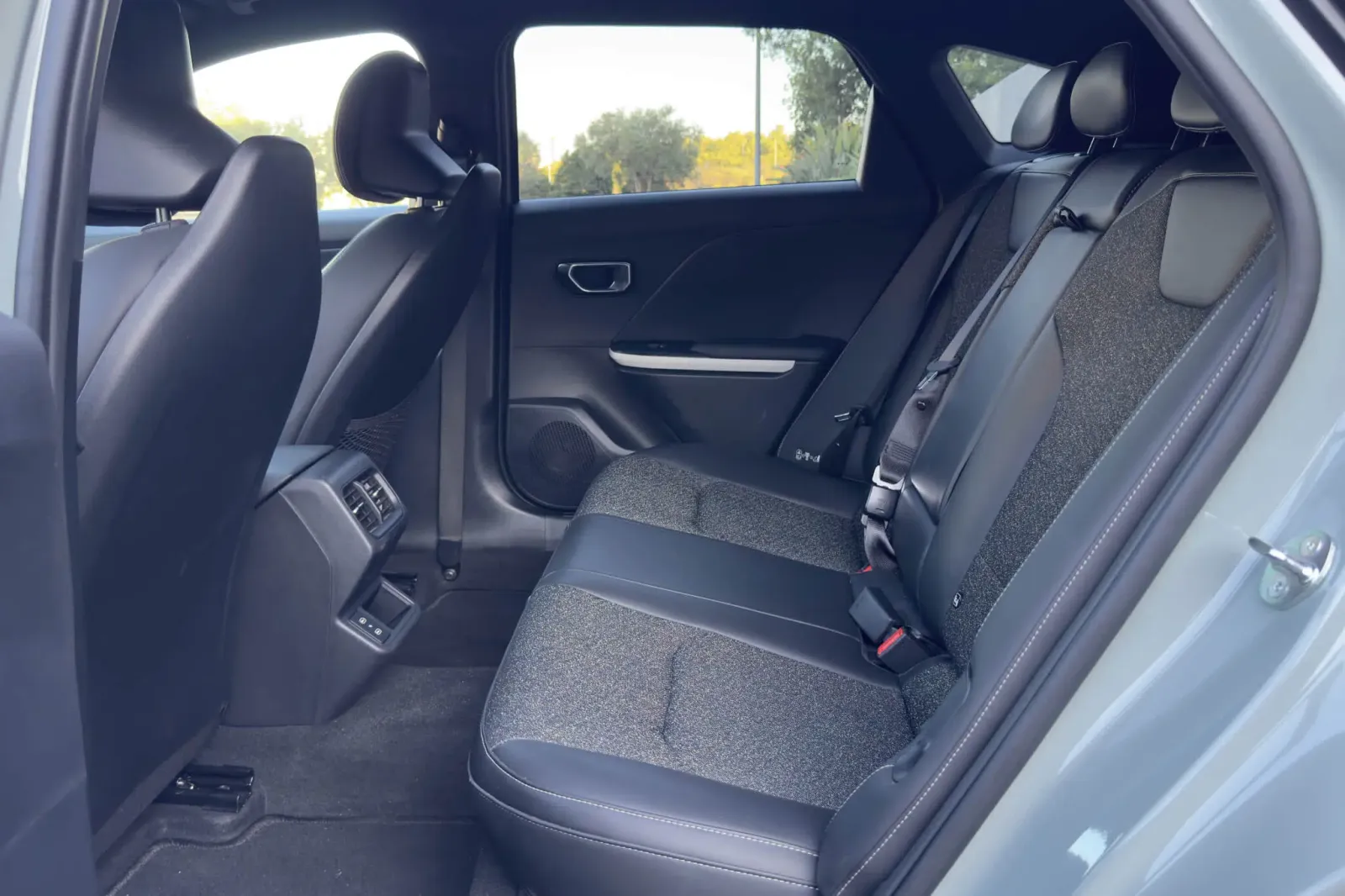
Finally, regarding the rear space, two adults can travel comfortably thanks to the generous wheelbase, but with a trunk capacity of only 328 liters, it forces one to reconsider how many bags to take on trips.
Polite but greedy
The 115 horsepower from the 1.0 T-GDi three-cylinder engine doesn’t impress on paper, but it’s more than enough to power the K4 with pleasant ease.
The dual-clutch automatic transmission deserves some of the credit here. The shifts are quick, smooth, and in most situations keep the engine within its ideal operating range.
The exception is called… Eco mode. In this setting, the priority clearly lies in reducing fuel consumption, and the dual-clutch transmission enters a rather conservative autopilot mode. Shifts are slow, the accelerator loses its responsiveness, and the K4 turns into a car that is too lenient. The solution? Ignore this mode.
After all, even when selected, its fuel efficiency isn’t impressive. On mixed roads, it was relatively easy to exceed 7.0 l/100 km, and in city driving, 7.7 l/100 km appeared far too often for a car with just one liter of engine capacity.
On the highway, at a steady speed of 120 km/h, the fuel consumption was around 5.5 to 6 l/100 km, a more interesting figure, but still far from ideal, especially considering it’s a small three-cylinder engine with a mild hybrid system.
Discover your next car:
Take it into the curves
If the engine performance never impresses and merely meets expectations, the chassis deserves unreserved praise. The K4 conveys confidence from the very first kilometers. The front end grips the road well, the suspension effectively controls body movements, and overall, it possesses a solidity that we usually associate only with higher-tier models.
It’s not a disguised GTI. But it’s also not just an appliance on wheels. As the curves come one after another, there’s something very satisfying about how this chassis performs. It allows us to explore each curve a bit more, communicates effectively without ever sacrificing comfort, and achieves a balance that most SUVs simply can’t replicate.
The handling also deserves praise, especially for offering interesting weight without becoming too heavy during maneuvers.
READ ALSO:
I drove the BYD Atto 2 that can travel 90 km on electric power
Kia has positioned the K4 exactly where it should be. It doesn’t aim to be the cheapest option in its segment, nor the most sophisticated. Instead, it seeks to provide a balanced package featuring construction quality, a solid range of amenities, and one of the best warranties in the market.
2 images
The asking price of 35,000 euros is average for this segment, but with Kia’s usual promotions, it’s possible to buy a K4 like this for just a little more than what a B-SUV costs. What you get is a car that’s not only capable and well-equipped but also reminds us that driving doesn’t have to be just about getting from point A to point B.
For example, with the current campaign as of the publication date of this article, the Kia K4 is available for around 30,000 euros.
Kia K4 GT-Line
7/10
In the end, the Kia K4 convinced me with its balance. It’s not the fastest or most economical, but it’s quite consistent and it’s hard to find flaws in it. It’s comfortable, capable, easy to use, has character, and can even be fun to drive. In a market where almost everything seems to want to be an SUV, there’s still room for a good compact family car.
Pros
Well-tuned chassis
Ergonomics
Standard equipment
Comfort/performance balance
Cons
Fuel consumption
Trunk capacity
Very conservative Eco mode
Base version: 35,000€
VAT: 111€
EURO NCAP rating:
5/5
35,550€
Price for the test unit
Engine layout: 3 cylinders in line
Cylinder capacity: 998 cm³
Engine position: Front-mounted transversely
Fueling system: Direct injection, turbocharger, intercooler
Valve configuration: 4 valves/cylinder; total of 12 valves
Power:
115 hp at 6000 rpm
Torque:
200 Nm between 2000 and 3000 rpm
Drive type: Front-wheel drive
Transmission: 7-speed automatic
Length: 4440 mm
Width: 1850 mm
Height: 1435 mm
Wheelbase: 2720 mm
Trunk volume: 328 liters
Wheels/tires: 225/45 R17
Weight: 1495 kg
Average fuel consumption: 5.7 l/100 km
CO2 emissions: 130 g/km
Top speed: 186 km/h
0-100 km/h acceleration: >12.3 seconds
Features:
Anti-theft system and alarm
Driver Attention Warning
High Beam Assist
Bi-zone automatic air conditioning
Lane Assist
Smart cruise control with start & go function
Parking assistance camera
Hill assist control
Rear and front parking sensors
Pedal shifters on the steering wheel
Light and rain sensors
Driving modes
Infotainment system with 12.3” screen
Android Auto and Apple CarPlay
Wireless smartphone charger
4 USB-C ports
Electric driver’s seat with power-adjustable lumbar support
Heated front seats
LED interior lighting
Sport pedals
LED front headlights with “Ice Cube” lighting signature
17” alloy wheels
Electrically heated and folding rear mirrors
Tinted rear windows
Metallic “Morning Haze” paint: 550 euros