
Kia EV3: a compact electric car set to become the family’s main vehicle
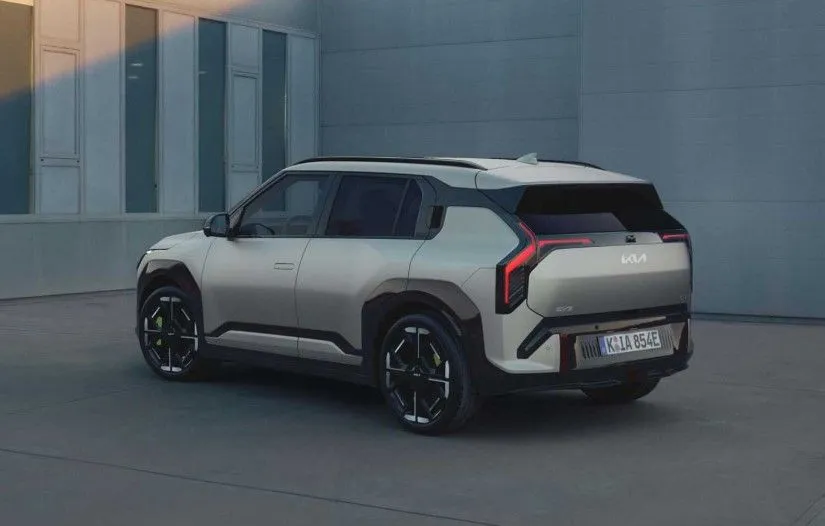
The KIA EV3 has become one of the best-selling electric cars in Spain over the past two years, and it has achieved this on its own merits. In these times when we need more space in our cars, either the trunk becomes too small or the car is too large. For many drivers, the KIA EV3 offers a solution by combining a compact yet family-friendly vehicle with excellent range to ensure worry-free travel.
Its design captures the personality of Kia’s greatest electric vehicles and brings it to a compact body style. Its bold contours, wheelbase, and vertical lighting give it a recognizable appearance. It measures 4.30 meters in length, 1.85 meters in width, and 1.56 meters in height, with a wheelbase of 2.68 meters. The GT-line slightly alters these dimensions due to its specific features, reaching 4.31 meters in length.
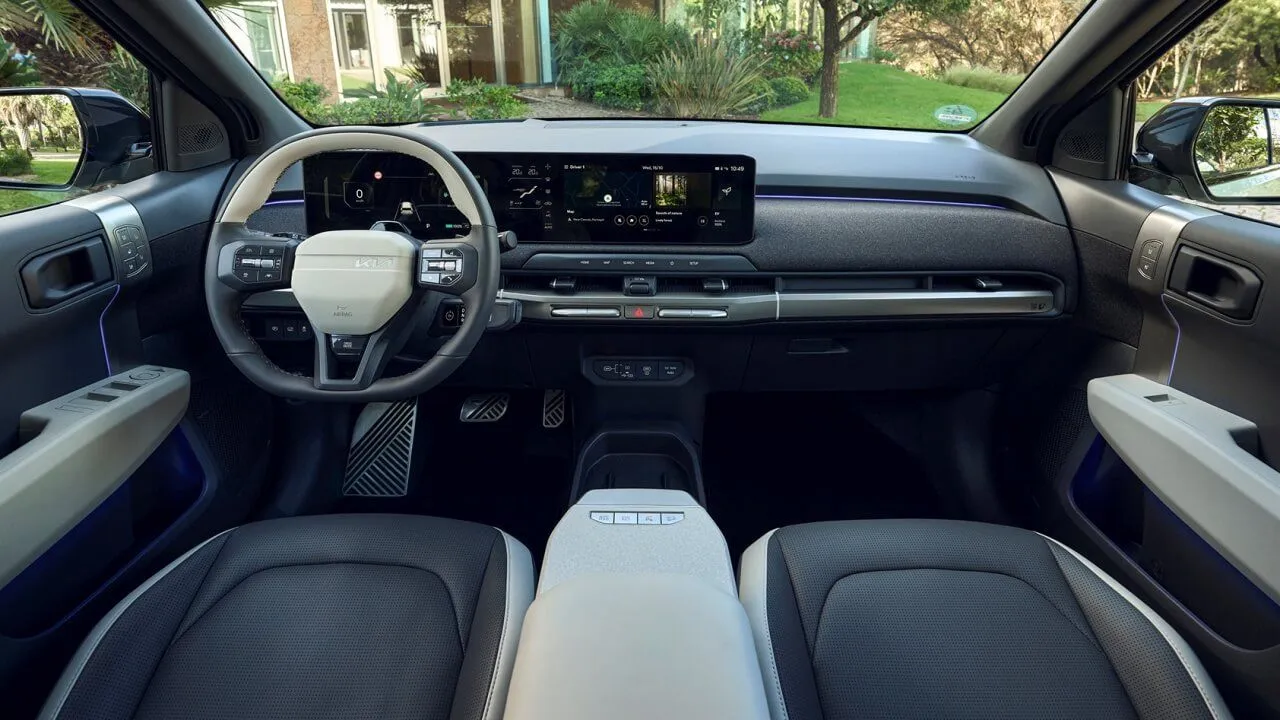
Inside, efficient space utilization is one of its most interesting strengths. The electric platform allows for a flat floor and considerable flexibility in arranging the interior, which is evident both in the storage areas and the passenger space. Depending on the trim level, it features amenities such as a sliding table in the center console, useful during stops for charging or resting.
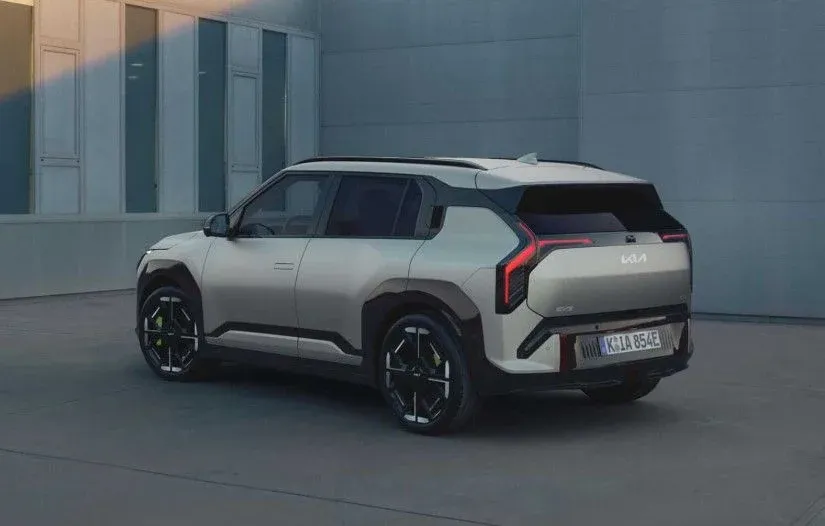
The 460-liter trunk provides space for family luggage, weekly groceries, or items for a getaway. Beneath the front hood there is another 25-liter compartment, useful for storing small items or charging accessories. When the rear seats are folded down, the cargo capacity increases to 1,251 liters. For those who need towing, the version with a larger battery can pull up to 1,000 kg with brakes; the smaller battery version is limited to 500 kg.
The technology also plays an important role, though it coexists with physical controls for certain functions. The entire dashboard combines digital instruments and a 12.3-inch multimedia screen each, along with a dedicated screen for climate control. Kia Connect allows access to car functions from the phone, while the route planner helps organize charging stops during trips.
The materials add another layer to this design. Kia uses recycled and organic components in various areas of the cabin, including fabrics and trim. This is a way to incorporate these materials into elements used daily while maintaining a simple interior design. The combination of upholstery, colors, and details varies depending on the selected version.
In the front-wheel-drive range compared here, the engine delivers 150 kW (204 HP) and 283 Nm of torque. These figures are sufficient for navigating curves and long distances with the car loaded, along with immediate response to acceleration. The 0-100 km/h time is 7.5 seconds, with a top speed of 170 km/h. Choosing a higher trim level adds additional features and alters the exterior design while maintaining the same power output.
The first important decision concerns the battery. The 58.3 kWh pack allows for up to 436 kilometers of WLTP range, while the 81.4 kWh pack achieves up to 605 kilometers in the most efficient configurations. The GT-line with the larger battery offers 563 kilometers of range. It’s important to always relate each figure to its specific version, as the tires and car configuration also affect fuel consumption.
For those who mainly drive in urban and metropolitan areas and have access to a regular charger, the smaller battery can meet their needs with lower investment. The larger battery provides more range between charges and is particularly useful for frequent travelers. Actual range will depend on speed, temperature, distance traveled, and load carried; WLTP values allow for comparing different versions under the same testing procedure.
In fast charging, Kia claims 29 minutes to go from 10% to 80% for the smaller battery and 31 minutes for the larger one under optimal conditions. Therefore, the “under half an hour” claim does not apply to all versions. It also supports AC charging in daily use, allowing the vehicle to recharge while parked at home, at work, or in a parking lot.
The EV3 also offers V2L functionality to power external devices, depending on the configuration. This feature enables using the battery to run electrical appliances during trips or in areas without nearby outlets. Its availability, along with that of digital keys, surround-view cameras, or seats with additional functions, must be checked in the selected configuration.
Finishes and prices of the Kia EV3 in Spain: what’s worth choosing
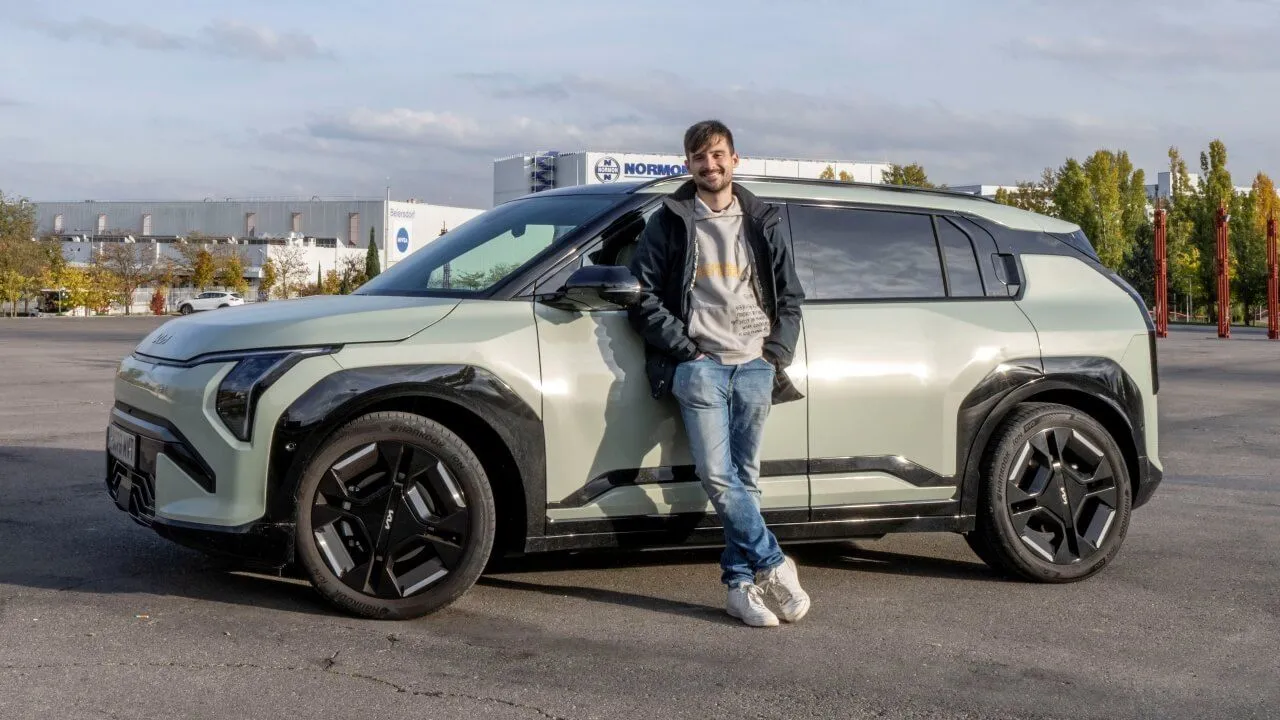
The consumer lineup consists of Air, Earth, and GT-line models, with packages that allow adding specific features. There are also Business versions designed for professional use. To provide consistent price comparisons, the table below shows the list prices without discounts published by Carwow for Spain as of October 21, 2026. These figures are before any commercial discounts, subsidies, or special financing terms.
Version
Battery
Reference WLTP range
List price without discount
Air Standard Range
58.3 kWh
Up to 436 km
36,278 euros
Business Standard Range
58.3 kWh
Up to 436 km
37,078 euros
Earth Standard Range
58.3 kWh
Up to 436 km
37,778 euros
Air Long Range
81.4 kWh
Up to 605 km
41,053 euros
Business Long Range
81.4 kWh
Up to 605 km
41,853 euros
Earth Long Range
81.4 kWh
Up to 605 km
42,533 euros
GT-line Long Range
81.4 kWh
563 km
48,183 euros
The Air is a well-equipped starting point. The Spanish catalog includes 17-inch tires, LED headlights, a navigation system, a rear camera, front and rear parking sensors, and an automatic dual-zone climate control. It also features adaptive cruise control and various safety assistants. Its advantage lies in allowing budget to be allocated to the battery without forcing an upgrade in trim level.
The Earth costs 1,500 euros more than the Air with the same battery. According to the Spanish catalog reviewed, its differences include a mixed fabric and synthetic material interior, automatic level front handles, a digital key, and a wireless charger for the phone. It represents a reasonable price increase for those who value these comfort and styling features, while retaining the 17-inch tires.
The GT-line comes with a specific design, 19-inch tires, and a more extensive standard equipment list. The catalog lists features such as heated and ventilated front seats, electric adjustments, a 360-degree camera, an electric tailgate, and V2L functionality. Some additional extras depend on selected packages. Its price difference from the Earth Long Range is 5,630 euros, so it’s worth considering how often those features will be used.
The most crucial factor for traveling remains the battery. Upgrading from Standard Range to Long Range costs an additional 4,775 euros in both Air and Earth models, but it increases the maximum certified range from 436 to 605 kilometers. For drivers who frequently travel long distances, the Air Long Range model can be particularly attractive: it focuses investment on range while still offering a fully equipped setup for everyday use.
The recognition as World Car of the Year 2025 comes with a lineup whose appeal becomes clearer when considering the needs of individual buyers. The Air helps keep costs down, the Earth adds comfort at a moderate price increase, and the GT-line offers a more sporty look along with enhanced features. The ideal combination is one that allows enjoying the car during the week while providing the range needed for family trips.