
Kia Germany sees a trend reversal thanks to high demand for electric cars
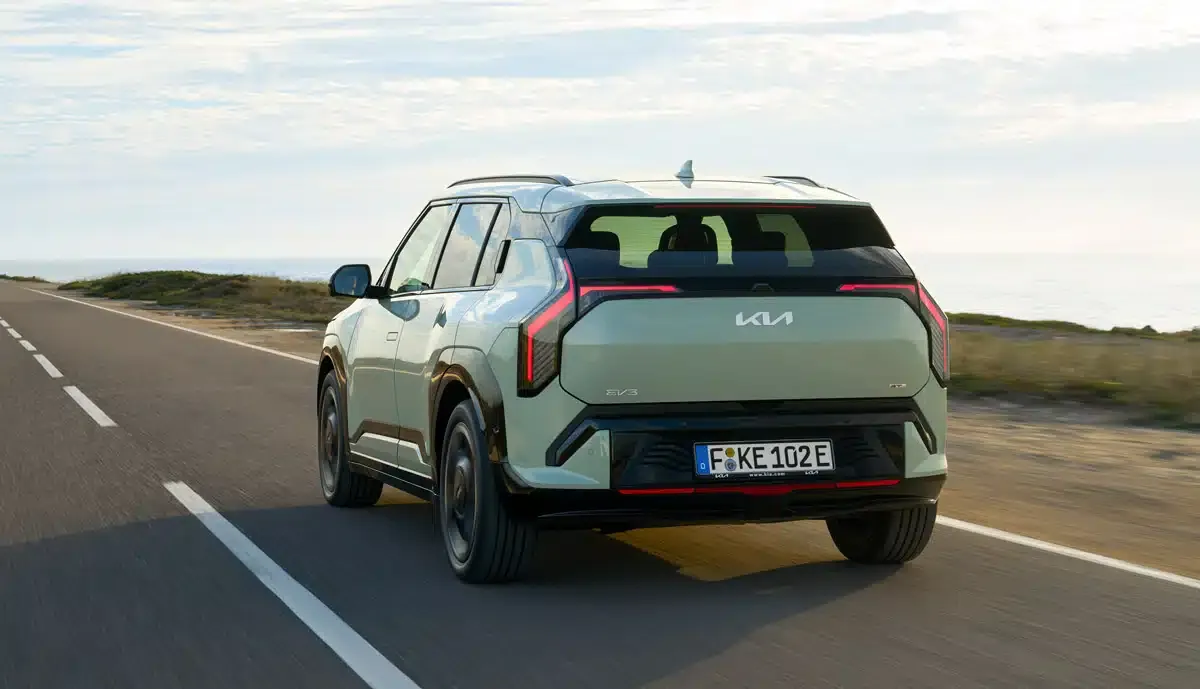
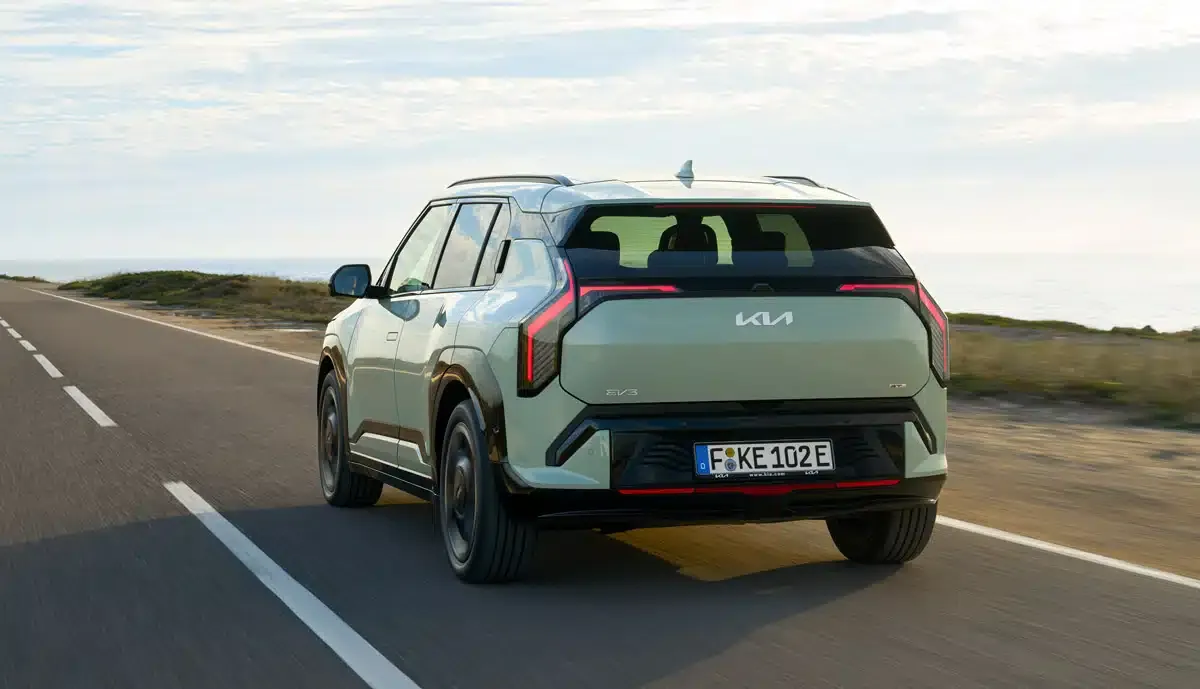
Image: Kia
After a difficult period, Kia Germany is seeing a turnaround due to unexpectedly high demand for electric vehicles. Following 2025, which saw 60,400 new registrations—the worst result since 2015—there is now positive momentum this year.
According to Thomas Djuren, Kia Germany’s CEO, the turnaround will be achieved in the current fiscal year, reports Automobilwoche. Demand for electric vehicles has risen more sharply, especially after the outbreak of the Iran war, than predicted at the end of 2025. As a result, production in the first half of the year was unable to keep up with orders.
According to Djuren, the current order backlog is three times larger than it was last year, with fully electric vehicles (BEVs) accounting for around 70 percent of it. Kia plans to register 70,000 new vehicles in Germany by the end of the year, with BEVs making up over 50 percent of those. This far exceeds the original target of 40 percent and is well above the industry average of just over a quarter.
The South Korean brand’s key electric vehicle models include the compact SUV EV3 and the small SUV EV2, which was launched in March, while the Sportage ranks third as a gasoline-powered vehicle. Kia’s managing director for Germany expects the EV2, launched in March, to soon replace the EV3.
For the year 2030, Kia Germany aims for 100,000 new vehicle registrations and wants to increase the share of BEVs to around 70 percent. This plan comes amid fierce competition from Chinese manufacturers. A study by Deutsche Automobil Treuhand (DAT) for Automobilwoche shows that half of owners of Korean vehicles consider a Chinese brand in their next purchase. Analyses from Dataforce also indicate that former Kia drivers are disproportionately likely to become new customers for Chinese brands such as BYD and MG.
Kia competes by focusing on product quality, a well-established dealer network, and European production. Djuren speaks confidently about the competition, stating that the growth of Chinese manufacturers often comes at the cost of high discounts and strategic registrations through dealers. There is also competition among dealers for new partners, with Chinese brands offering substantial financial incentives.
Also interesting
About the author
Thomas Langenbucher is an expert in electromobility with experience in the automotive and financial industries. Since 2011, he has been covering electric vehicles, sustainable technologies, and mobility solutions for ecomento.de. Learn more.
Reader interactions