
KBA: Nearly 30 percent of new cars in Germany are electric
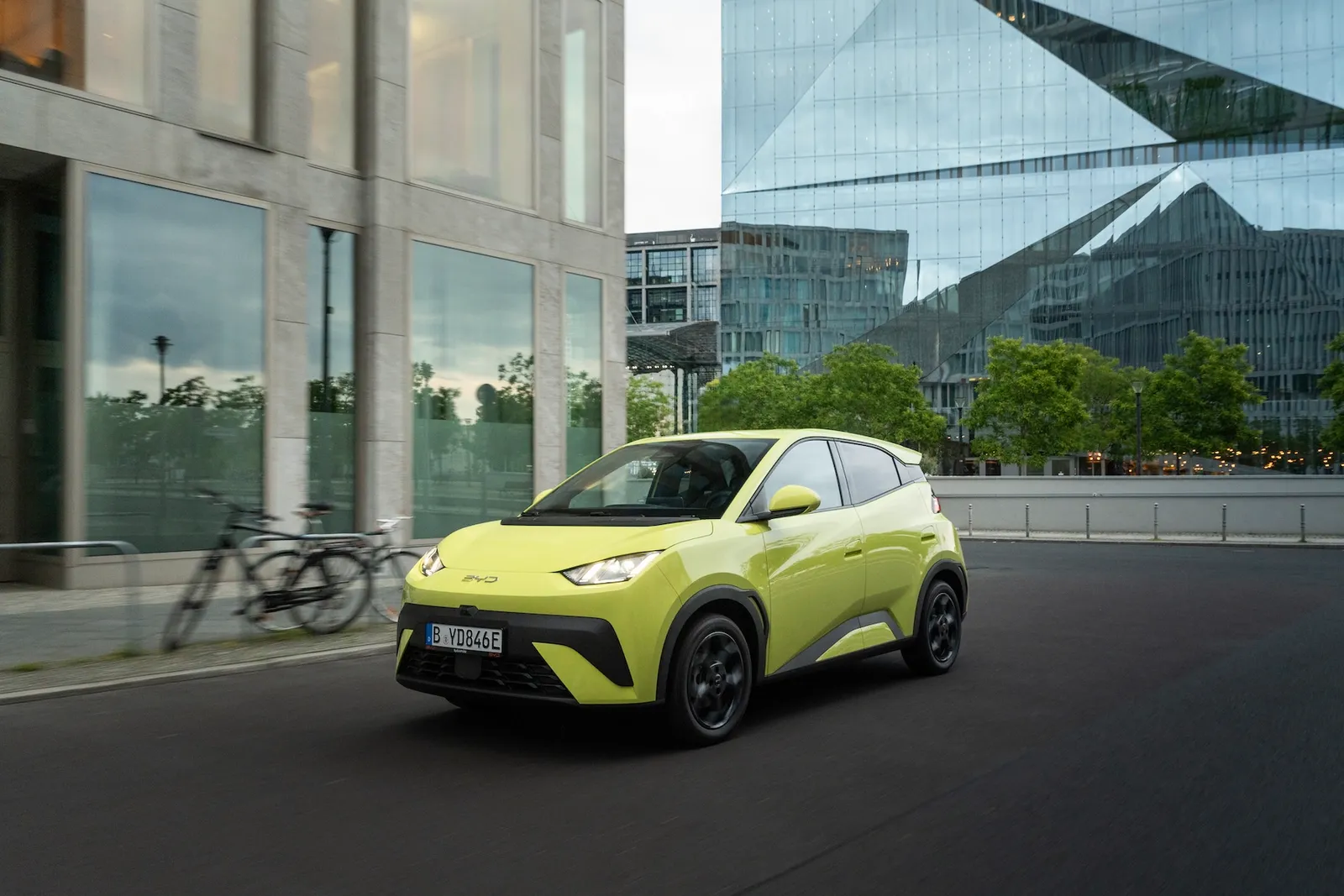
The share of fully electric cars in new car registrations in Germany has reached a new record level: In July, their market share was 29.3 percent — higher than in any previous month. When plug-in hybrids are included as well, the share of cars with charging capabilities reached 40.7 percent.
The popularity of electric cars among new car buyers in Germany continues to grow rapidly: The record market share of 29.3 percent of all new registrations in July 2026 was nearly 60 percent higher than a year earlier. In July 2025, the share of BEVs was only 18.4 percent, 10.9 percentage points lower than today’s figure.
In absolute terms, 78,609 pure electric vehicles were newly registered in Germany in July, according to the Federal Motor Transport Authority (KBA). This represents 29,995 more units than in July 2025, a increase of 61.7 percent. However, it was 5,448 fewer electric vehicles than in the previous month of June. Due to seasonal factors (July being a major holiday month), comparison with the same month in the previous year is considered more statistically meaningful. Nevertheless, there was still a percentage increase in market share compared to June: at that time, the market penetration of electric vehicles relative to other propulsion types was 28.4 percent.
The temporal trend becomes even more impressive when looking back two years: In July 2024, only 30,762 new electric cars were registered in Germany. That was not even 40 percent of the volume recorded in July 2026. As a result, the market share was significantly lower at that time, at just 12.9 percent.
PHEVs also saw growth in July of this year compared to the previous year’s month: Specifically, 30,609 plug-in hybrids were added to the roads—12.5 percent more than in the previous month. This corresponds to a market share of 12.5 percent, about 2.2 percentage points higher than in July of the previous year.
Chinese manufacturers gaining market share
Let’s look at the manufacturers, although KBA has not yet released specific details on models and their powertrain types. However, Chinese manufacturers in the new energy vehicle sector (i.e., BEVs, plug-in hybrids, and range extenders) continue to gain market share in Germany. The brands specifically referred to here are BYD, Leapmotor, MG Motor, Xpeng, and Zeekr.
In July 2026 alone, BYD achieved an impressive 5,240 new vehicle registrations in Germany. This represented a 365.4 percent increase compared to the previous year’s month, giving it a market share of 2.0 percent in total new passenger car registrations across all propulsion types, according to the KBA’s manufacturer rankings. BYD, however, cites a slightly lower market share of 1.95 percent in its own statement. The difference is likely due to rounding, as the KBA’s figures show only one decimal place—and in this case, it is rounded up to 2 percent.
BYD with 56.3 Percent Share from Private Customers
At the same time, BYD also provides details beyond what was published by the KBA: The manufacturer reports 2,952 new private registrations in July 2026, bringing the share of private customers to 56.3 percent. For comparison, this figure in the overall market is usually only around one-third, with roughly two-thirds coming from commercial registrations (business vehicles, service vehicles, rental cars, show cars, etc.). BYD also anticipates the model figures that the KBA will release early next week: According to these, the BYD Seal U DM-i once again becomes the best-selling plug-in hybrid with 1,822 new registrations. As for pure electric vehicles, BYD has not yet disclosed any specific figures.
Since the beginning of the year, BYD has delivered 31,492 vehicles in Germany. This represents a market share of 1.8 percent. With this performance, BYD is already on track for a record year in Germany, having far surpassed last year’s total of 23,360 vehicles registered. Moreover, by 2026, BYD’s sales volume in Germany is expected to be on a similar level to that of companies such as Tesla (29,224 units) or the French traditional brand Citroën (31,904 units).
Leapmotor with over 10,000 registrations since January
A quick overview of more Chinese manufacturers: Leapmotor, backed by Stellantis, recorded 2,736 new registrations (BEVs and range extenders), a surge of 328.8 percent. Since the start of the year, Leapmotor has delivered 11,138 units in Germany, accounting for a 0.6 percent market share. MG Motor, which also has traditional internal combustion engines in its portfolio, had 3,698 units sold in July and 19,850 units since the beginning of the year (1.1 percent market share). Xpeng, a VW-owned company, sold 1,253 vehicles in July and 4,610 units since the start of the year. Zeekr, which launched in Germany at the turn of the year, achieved 133 new registrations in July and 323 units overall since the beginning of the year.
The registration numbers of pure electric vehicle manufacturer Tesla once again present a puzzle. These figures fluctuate wildly, resembling a rollercoaster ride: while the U.S. company recorded 7,768 new registrations in Germany in June, representing a 317.6 percent increase, it dropped to just 367 units in July. A similar pattern was seen in Norway as well—although only 24 new electric vehicles from the American company were registered there in July, Tesla managed to maintain its position as the leading automotive brand with 14,413 registrations since the start of the year. One possible explanation is that Tesla follows a global sales and logistics strategy that focuses deliveries heavily on the end of each quarter (March, June, September, and December).