
Kawasaki goes beyond electric motorcycles: its new hydrogen engine for aircraft has already passed operational tests
24/10/2026 12:00
Updated to
24/10/2026 12:00
Kawasaki is world-famous for its motorcycles, but the Japanese company’s activities extend far beyond two wheels. The firm also works on aviation engines and energy technologies, and it has just taken a new step forward in one of its most ambitious projects: developing airplane engines capable of running on hydrogen.
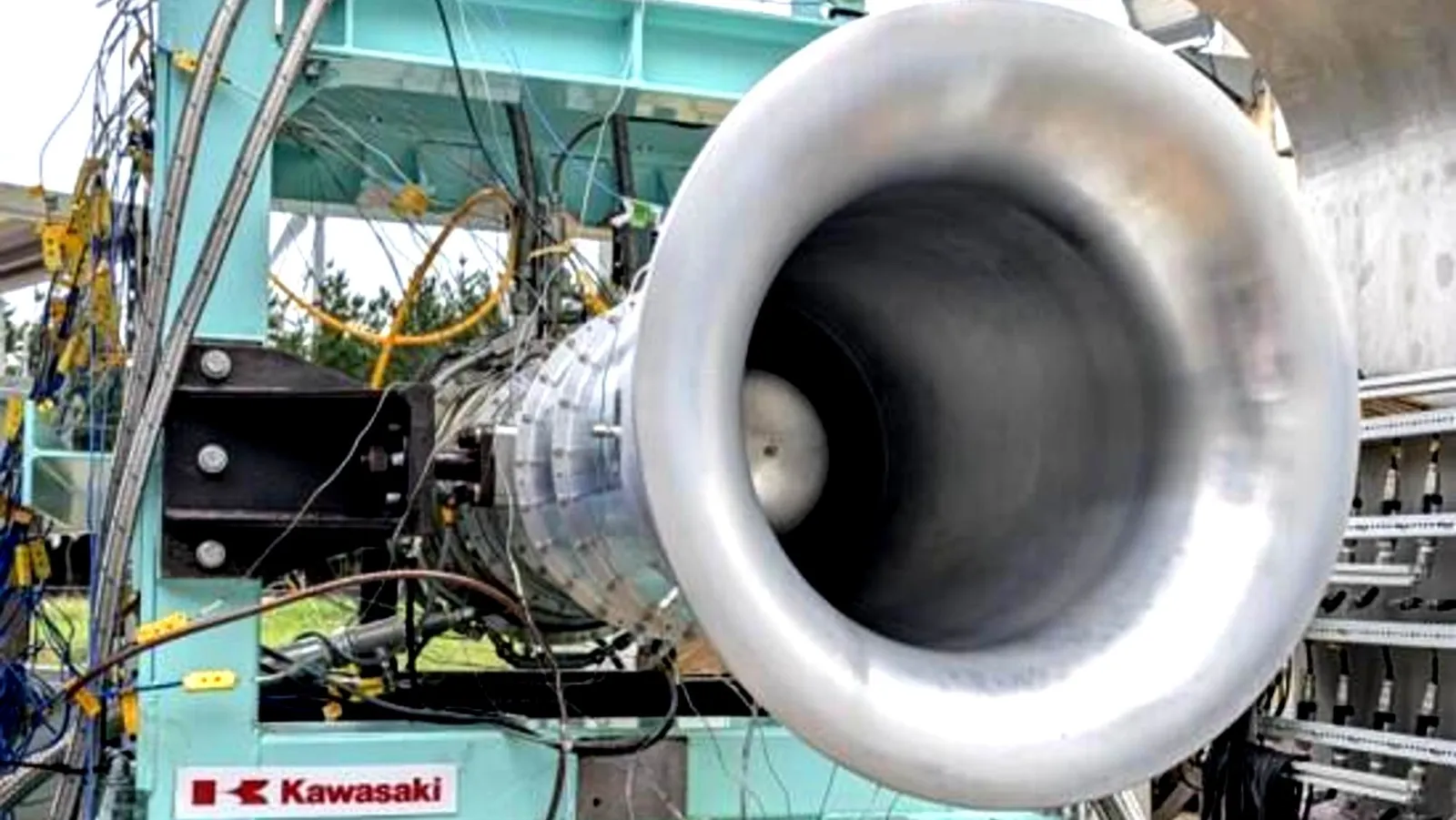
Kawasaki Heavy Industries has announced that it has successfully completed operational tests of a small aviation engine equipped with a new hydrogen combustion chamber designed to reduce nitrogen oxide (NOx) emissions.
Optimal performance at all stages
The test was conducted at the Noshiro Rocket Test Center, which belongs to the Japan Aerospace Exploration Agency (JAXA), in Akita Prefecture. During the tests, the engine operated using hydrogen as the sole fuel and completed various stages of operation. Kawasaki has confirmed that stable combustion and thrust generation were achieved, from startup and increasing revolutions to continuous operation equivalent to cruise speed, including acceleration, deceleration, and engine shutdown.
The result represents a significant advancement for the program developing technologies for hydrogen-powered aviation, but it should be clear that this is not yet a certified engine for commercial aircraft nor an aircraft ready for service. It is a small experimental engine intended to validate technologies that will later need to be integrated and tested within a complete aviation system.
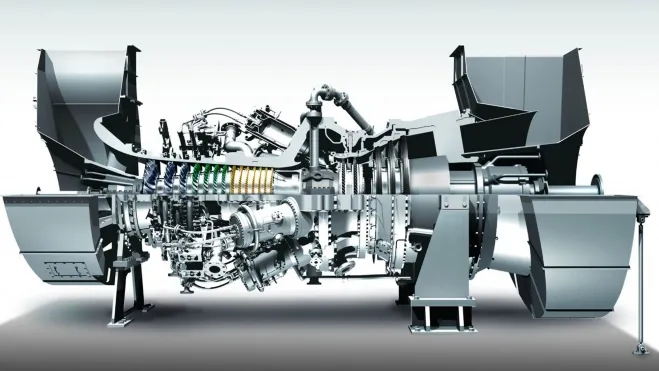
The main innovation lies in its combustion chamber, where the company has adapted its Micromix technology for aviation use—technology originally developed for gas turbines used in power generation. This system distributes hydrogen combustion across numerous small flames rather than concentrating it in larger areas. In doing so, it aims to prevent the formation of regions with extremely high temperatures, which contribute to NOx generation.
Limiting NOx production
These pollutants are one of the technical challenges in hydrogen combustion because, although using this fuel helps avoid direct carbon dioxide emissions associated with kerosene combustion, the high temperatures of the flame can produce nitrogen oxides from the nitrogen and oxygen present in the air. Therefore, developing a hydrogen engine involves more than just replacing one fuel with another: it also requires controlling combustion, ensuring engine stability, and meeting aviation’s environmental requirements.
According to Kawasaki, the test results suggest the possibility of achieving NOx levels among the lowest in the world, meeting the requirements of the International Civil Aviation Organization (ICAO). Nevertheless, in its first official statement, the company has not released specific emission figures.
The project is part of the next-generation aircraft development program funded through Japan’s New Energy and Industrial Technology Development Organization’s Green Innovation Fund. The development period for the key technologies spans from 2021 to 2030, and Kawasaki plans to conduct ground tests to verify the viability and performance of the integrated system in an aircraft.
This isn’t their first attempt in this field; the company already tested a small aircraft engine powered entirely by hydrogen in 2024 and has also worked on tanks for storing liquid hydrogen. The new test adds another key element to this development line—a combustion solution designed to reduce NOx emissions during operation.