
Purchase subsidy for electric vehicles: Consumer centers demand a price limit
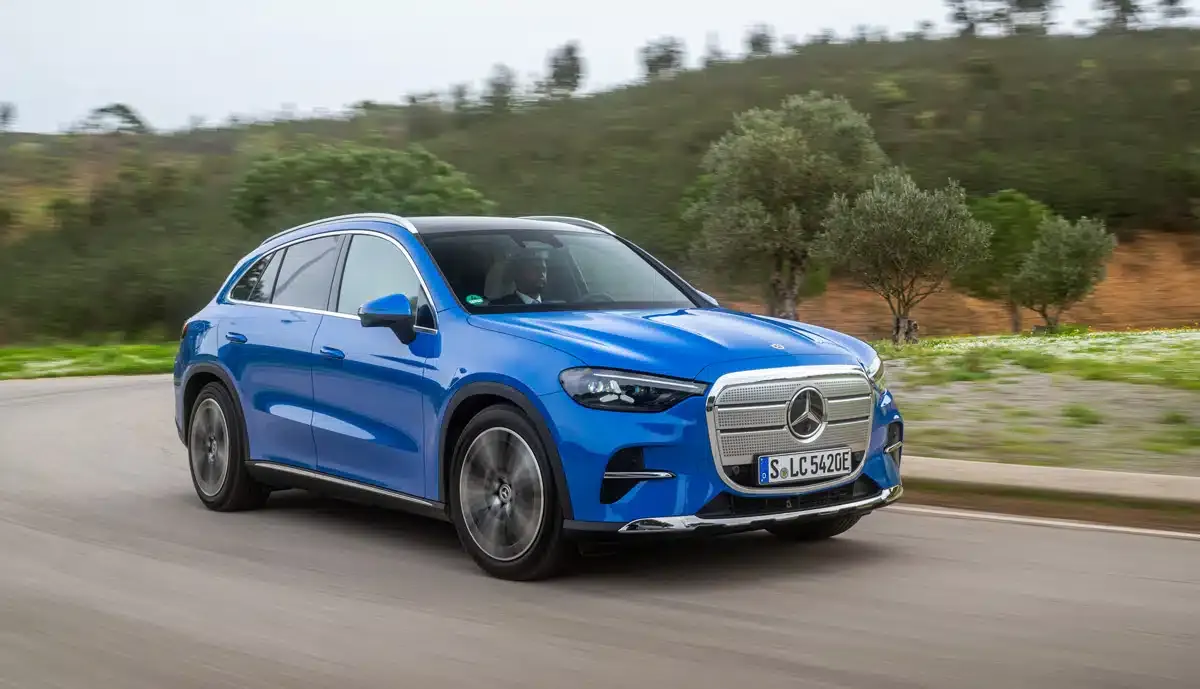
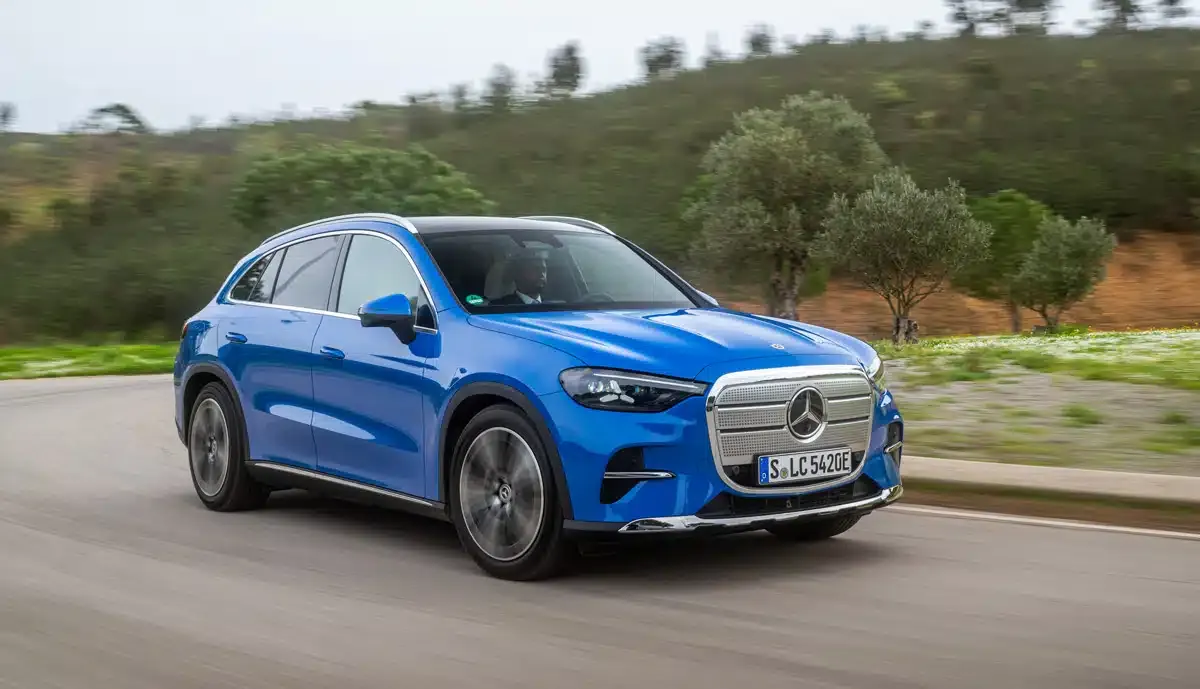
Image: Mercedes-Benz (illustrative)
The consumer protection organizations are calling for a redesign of government incentives for electric vehicles, aiming to focus support more on cheaper models. Ramona Pop, head of the Federal Association of Consumer Protection Organizations, told Deutsche Presse-Agentur that linking incentives to vehicle price is necessary.
According to these organizations, subsidies should be provided only up to a specified list price. This would support cheaper and more efficient models and, in the long term, increase the availability of affordable electric cars on the used car market.
The current regulations set a limit on household income of up to 90,000 euros. Pop criticized that this threshold would also support households that do not need government assistance.
The federal government’s electric vehicle purchase subsidy provides grants for the purchase and leasing of pure electric vehicles as well as certain plug-in hybrids and range-extender electric vehicles, provided the vehicle was registered for the first time after January 1, 2026. The subsidy amount, which can reach up to 6,000 euros, depends on the vehicle, income level, and family size. The income threshold is 80,000 euros for taxable household income, and 90,000 euros for larger families.
In addition, consumer protection organizations are calling for improvements to charging infrastructure. “While the expansion of charging stations is progressing steadily, there is still much room for improvement,” said Pop. Especially renters in apartment buildings without their own charging stations rely on functional public infrastructure. More transparency is also needed.
Also interesting
About the author
Thomas Langenbucher is an expert in electric mobility with professional experience in the automotive and financial industries. Since 2011, he has been covering electric cars, sustainable technologies, and mobility solutions on ecomento.de. Learn more.
Reader interactions