
Katrin Adt, Dacia’s head, asks Europe to freeze its plans for 10 years “to have the opportunity to offer affordable mobility.”

19/09/2026 11:30
Updated to
19/09/2026 11:30
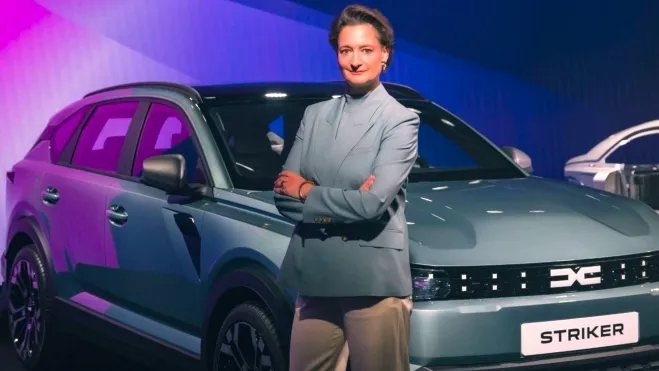
Few brands represent the concept of an affordable car as well as Dacia, which is why the words of its CEO, Katrin Adt, carry special weight. During the launch of the new Dacia Spring, Adt called on European lawmakers to relax regulations on small cars, aiming to lower prices and restore growth to an automotive industry that, in her own words, has been shrinking in Europe for years.
Adt’s message is not an isolated complaint but a comprehensive analysis of why the European market fails to regain its momentum from before the pandemic. It summarizes this in a phrase that leaves little doubt about the challenges facing the Romanian brand: “The world needs Dacia more than ever, and it has never been harder to be Dacia.” This is not the first time Adt has criticized European regulations.
Three million cars that Europe stopped selling
Adt’s main argument is based on a specific figure: the European market has lost three million cars in sales since 2019, never returning to pre-COVID levels. To put this loss into perspective, Adt compares it to completely eliminating Germany’s market, the largest in Europe. It goes even further, translating this figure into very vivid industrial terms: “If you say it’s three million cars, do the math: that’s 10 factories, 12 million tires, perhaps 15 million seats, nine million wipers...”
According to Adt, such a collapse has not occurred in any other region of the world, and the reason lies in cars becoming too expensive. When analyzing why prices have risen so much, she points directly to regulations as the main culprit. This is not an unfounded claim: Adt states that 25% of Dacia’s research and development budget, along with a comparable portion of its engineering staff, is currently dedicated exclusively to meeting the growing list of European safety and emissions standards.
100 standards met, 107 more to come

The figure that provides the most context for this issue is the number of pending regulatory requirements. According to Adt, Dacia has already complied with around 100 different regulations, but there are still 107 more to be implemented before the end of the decade. This pace, in their view, does not always meet what customers actually request. As an example, they point out that the most frequently used button in the brand’s cars is the so-called “magic button,” designed to instantly disable all audible alerts from the driver assistance systems (ADAS).
In light of this situation, Dacia has joined other manufacturers in asking the European Commission to implement at least a specific regulatory freeze for small cars, aiming to provide relief that allows for affordable mobility. This request is not isolated: Fabrice Cambolive, CEO of Renault, Dacia’s parent company, recently stated that his engineers are dealing with “a tsunami of regulations coming from Europe,” and he directly called for a ten-year regulatory freeze. According to Cambolive, this would enable the industry to focus on affordability and electrification, helping the European market “restart.”
The Hipster, awaiting that decision
Adt itself had previously suggested that more flexible regulations for small cars could be the key to getting its microcar, the Hipster Concept, into production eventually. When asked again about the status of that project, it simply replied that one must “stay vigilant,” without providing further details on its immediate future.
Source: Autocar