
It could lead to Norway imposing tariffs on Chinese cars
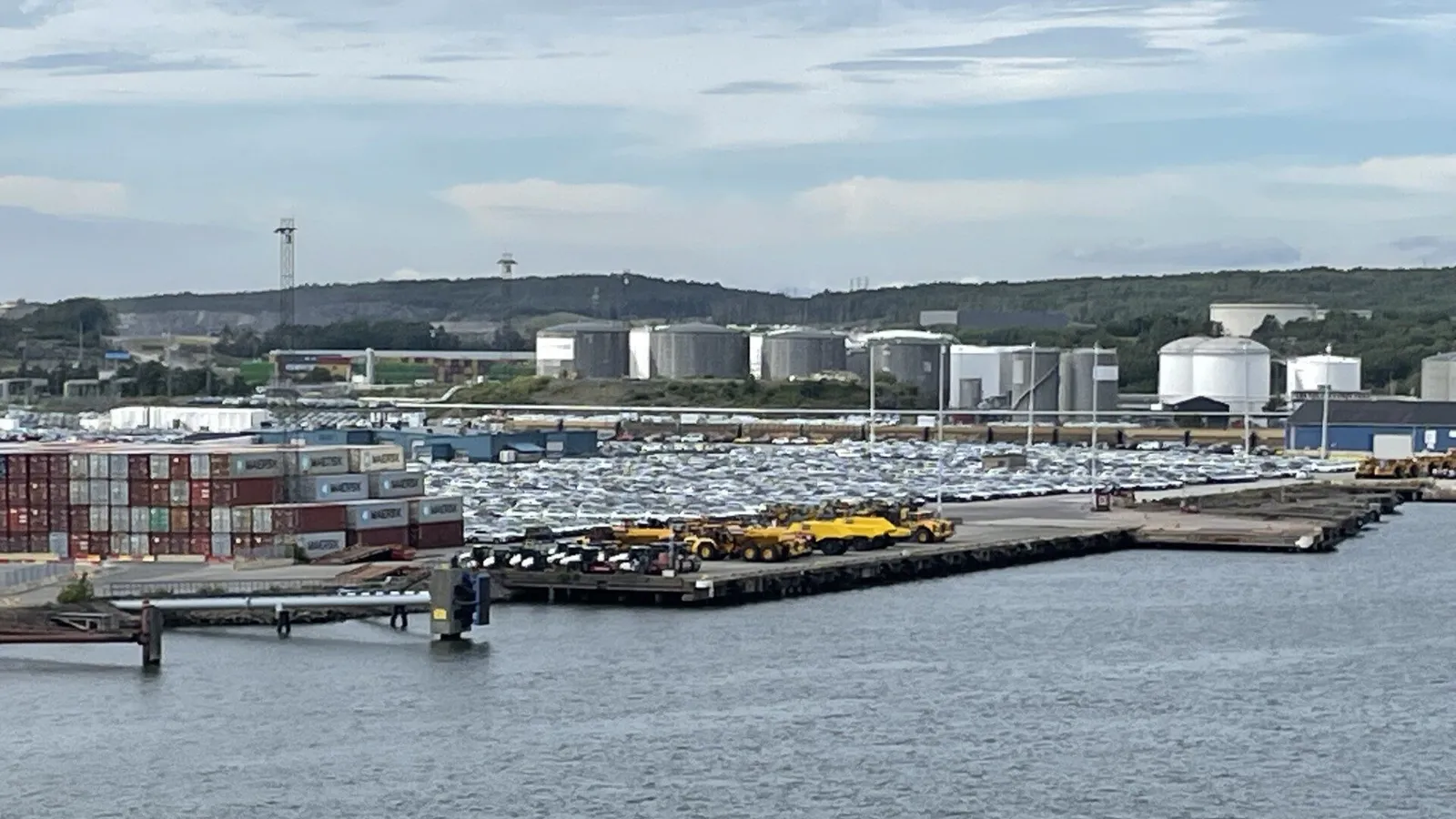
It’s not just Trump who favors tariffs. Soon, new Chinese electric cars in Norway could face tariff penalties as the EU strengthens protection for its own industry.
20.10.2026 11:15 | Updated 12:14
The EU’s new package, the Industrial Accelerator Act (IAA), covers everything from steel, cement, and aluminum to cars and technology. The plan is to use a range of measures to ensure that as much production as possible takes place in Europe.
This is how they aim to protect European jobs and reduce dependence on suppliers outside the EU.
The EU is now discussing several countermeasures against what, for the automotive industry, is essentially China’s car production, with Germany and France leading the discussions, according to the online news outlet Energi og Klima.
Even countries outside the union, such as Norway and the United Kingdom, may eventually be forced to join these measures – by imposing tariffs on imported Chinese cars.
26 percent of electric cars so far this year are Chinese
Norway currently has no tariffs on Chinese electric cars, and by 2026, 26 percent of the electric cars sold in Norway will be produced by Chinese companies.
It remains to be seen exactly which cars could face tariffs, as both the country of production and ownership may play a role.
The EU has had a standard 10 percent import tariff on electric cars since the fall of 2024, in addition to a variable anti-dumping tariff ranging from 7.8 percent to 35.3 percent for cars produced in China.
And more is to come. Energy and Climate is now exploring how Norway might eventually be forced to join these measures to protect European industry.
For Norway, participation in industrial agreements can be important because it has a significant export-oriented industry. Norway, however, does not have an automobile industry to protect, but the EU does.
Should Norway mirror the EU’s actions for the automobile industry?
France and Germany must now agree on new measures.
Key elements of the new plan include criteria for who is allowed to join the EU’s new industrial agreements — based on a range of measures to protect European industry, thus covering much more than just the automobile industry. For Norway, the EU is an important market for its export industry.
Energi og Klima reports that Norway, the UK, Iceland, and Liechtenstein should be included in “Made in Europe,” but under one condition: that these countries mirror the EU’s actions regarding the automobile industry, such as imposing tariffs on Chinese cars.
The tariff should thus help Europe’s automotive industry, which is struggling under competition from China.
“We owe it to our workers, our industry, and our citizens to ensure that Europe remains a leader in the global transformation of the automotive industry,” the two countries said in a joint statement.
Could lead to fewer models and more expensive cars
Energy and Climate also asked the Electric Vehicle Association about the potential consequences in Norway of a tariff on Chinese electric vehicles:
– It could affect car prices. There might be less competition in Norway’s automotive market, as Chinese car manufacturers have helped drive down prices, replied Unni Berge, head of communications at the Electric Vehicle Association.
The Electric Vehicle Association still does not believe it will be devastating for the electric vehicle segment in new car sales, as long as Norway’s electric vehicle policy maintains their competitiveness against fossil fuel cars.
Can environmental standards be weakened?
Berge and Elbilforeningen are skeptical about parts of the Franco-German proposal that aim to ease climate requirements and extend the lifespan of fossil fuel vehicles.
“It’s one thing to shield European car manufacturers from competition they consider unfair. But they shouldn’t be shielded from environmental standards. What’s concerning about the debate in the EU is that they think saving Europe’s car industry means weakening its environmental requirements,” says Berge.
At the same time, there may be some hope regarding environmental standards and carbon taxes, as the joint statement from Germany and France concludes:
“Our goal is clear: a competitive, innovative, and decarbonized European car industry that produces in Europe and creates jobs today.”
What will happen next regarding a possible tax on Chinese cars is currently unclear, and it likely will remain that way for some time.
One thing is certain, however: the final word on this matter has not yet been spoken.

More like this?
Sign up for our newsletter
– get electric vehicle news straight to your inbox!
Also read
The post Kan føre til at Norge innfører toll på kinesiske biler appeared first on Norsk elbilforening.