
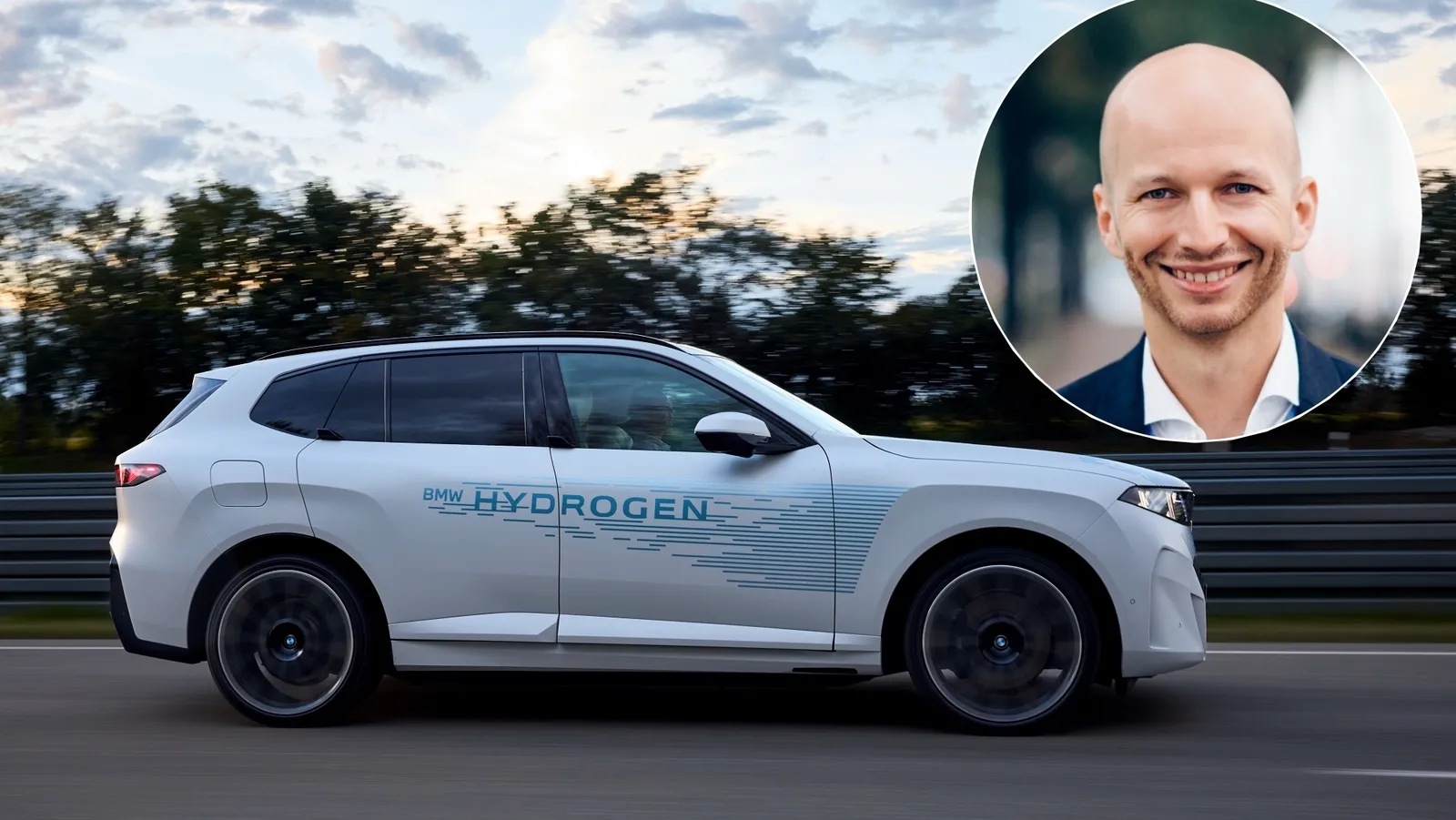
Josef Hochreiter, the expert on hydrogen at BMW, says: "We are not working on a niche model.
03/10/2026 13:00
Updated to
03/10/2026 13:00
While much of the automotive industry is cutting projects to save costs, BMW continues to pursue what many considered a lost cause: hydrogen cars. In an interview with a major German newspaper, the project leader, Josef Hochreiter, made it clear without hesitation: "We are not working on a niche model." The Bavarian brand’s goal remains to bring the BMW iX5 Hydrogen into mass production and turn it into a car that can change the world.
The interview, conducted in Steyr (Austria), comes at a delicate time for hydrogen technology applied to the passenger car sector: costs remain high, the refueling network has not yet expanded sufficiently, and political uncertainty does not help. Nevertheless, Hochreiter argues that technically, hydrogen SUVs already work convincingly. Many claim that hydrogen is a dead end and only makes sense for heavy vehicles.
Toyota and electric car components: the formula to cut costs
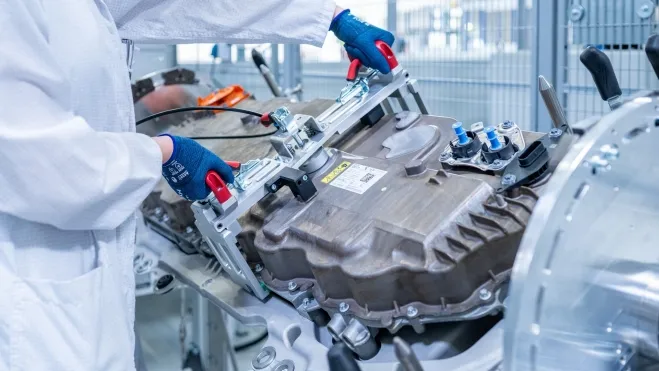
To reduce the cost of the project, BMW relies on two specific approaches: cooperation with Toyota and shared use of existing components from its battery electric vehicles. In the iX5 Hydrogen, the brand combines a fuel cell with a high-voltage battery and an electric motor, an approach that allows it to reuse much of the engineering already developed for its fully electric models.
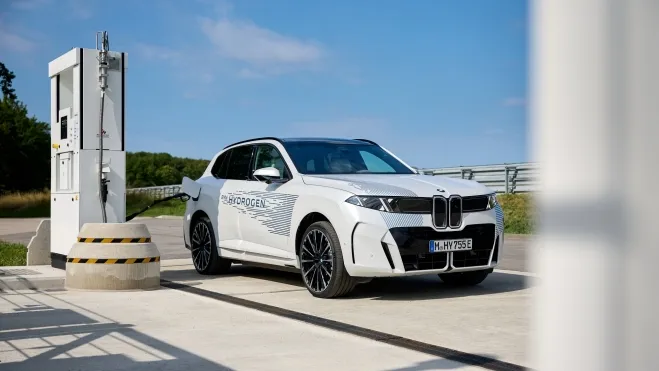
In terms of purely mechanical aspects, the system is designed to store around seven kilograms of hydrogen, enough to achieve a range of up to 750 kilometers. Refueling, one of the main advantages of this technology over battery electric cars, takes less than five minutes, well below the typical charging times for current electric vehicles.
270 million euros in government subsidies, and the infrastructure question
The project isn’t advancing solely through BMW’s own investment: it receives over 270 million euros in public funding from the German federal government and the state of Bavaria. It is precisely regarding this financial support that one of the most uncomfortable questions arises in the interview: What if Germany’s hydrogen network remains stagnant or even shrinks? Is there a point at which BMW might have to admit that it has tried, but the infrastructure isn’t sufficient?
Hochreiter’s response avoids pessimism: for him, developing a truly capable hydrogen infrastructure is a joint task among industry, energy companies, and policymakers. He also notes that the EU’s AFIR regulatory framework has already laid the necessary groundwork for advancing the expansion of a hydrogen network on a European scale, an argument BMW uses to justify continuing investments despite the current lack of infrastructure in Germany.
The price, the final hurdle
Beyond the technology that has already been developed, the remaining challenge is purely economic: BMW is working with the clear goal of bringing this technology to a price point that is attractive not only for fleets or professional use but also for individual consumers. It is at this point that much of the work still needs to be done before the iX5 Hydrogen can become a real purchasing option for the general public. We are getting closer and closer to learning more about the new BMW iX5 Hydrogen. The brand has released a lot of information over the years, though we still do not have a specific launch date.
Source: Automobilwoche
