
Jeep relies on customer loyalty for a sustainable strategy
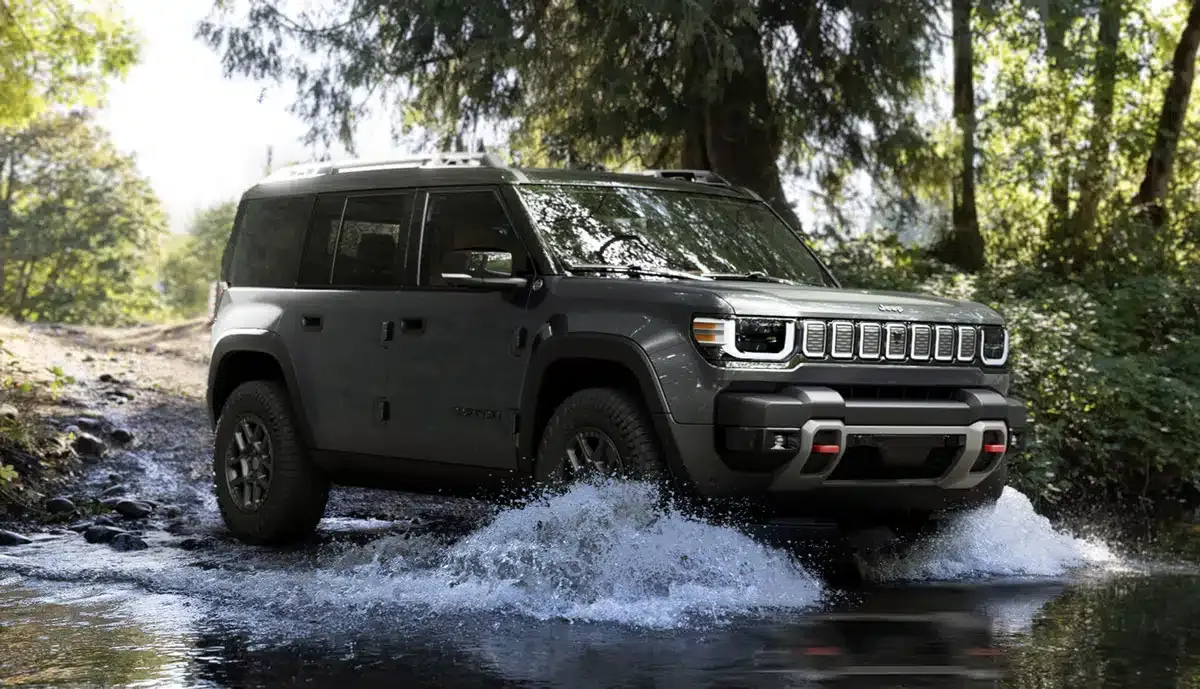
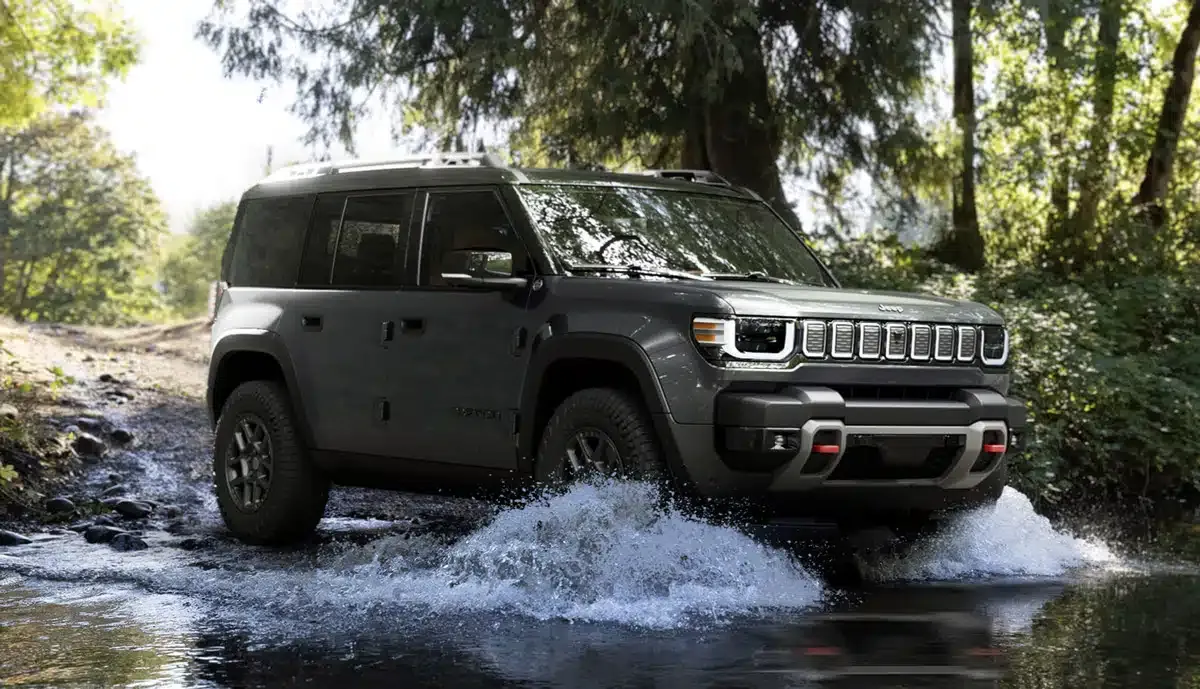
Image: Jeep
According to Automotive News, Jeep, a Stellantis brand, focuses on building strong ties with its customer base as part of its strategic approach. Tim Kuniskis, head of the American brands under the European parent company, told the industry portal that the company secures its future by listening to and responding to the desires of passionate owners.
Kuniskis said that the community provides crucial insights for brand development through online shared modifications and participation in events like the Toledo Jeep Fest in Ohio. Management must ensure that people continue to get what they want.
The future product lineup includes various projects, such as an updated Compass and the all-electric offroader Recon, for which a gasoline-powered version is also planned later according to the report. Additionally, there are plans for the Gladiator pickup with a radiator grille inspired by vintage models and the two-door Wrangler Scrambler pickup. The latter is described by the U.S. manufacturer as a “love letter to the enthusiast community.”
Customers will decide which powertrains prevail
A look at registration figures shows that while alternative powertrains accounted for over 71 percent in 2025, pure electric vehicles made up only 3.8 percent, significantly below the German average. Jeep’s Germany head, Luigi Saia, attributes this mainly to the year’s focus: Jeep prioritized the transition with the Compass. Additionally, the pricing for the electric version of the compact SUV Avenger was deliberately not set at an overly aggressive level. “We wanted to sell the electric Avenger, but not at any cost,” the manager said in March.
Generally speaking, Jeep does not see its strategy as a return to internal combustion engines, Saia explained. The platforms of Stellantis allow for a wide range of vehicles, from mild hybrids and plug-in hybrids to fully electric cars. Which powertrain options will dominate should be determined by customer demand.
The Wrangler and Grand Cherokee models are no longer available for ordering in Europe. This is mainly due to regulatory requirements such as CO₂ limits and homologation guidelines, which make economic marketing difficult. Saia particularly regrets the disappearance of the Wrangler, which is considered an icon and face of the brand, especially since its plug-in hybrid version sold well in Germany.
Other models are set to serve as the new electric flagship vehicles. Over the course of the year, Jeep plans to bring the all-electric Wagoneer S SUV to Europe. Shortly after that, the Recon is expected to follow, positioned as a sort of smaller sibling to the Wrangler and launched as a pure electric vehicle.
According to Saia, Germany remains crucial for Jeep as Europe’s second-largest market for the brand. For this year, the company aims to raise its market share back from 0.4% to 0.5%. It targets 15 to 25% for electric vehicle sales, with upcoming Compass models featuring larger batteries and all-wheel drive set to contribute to this goal.
Also interesting
About the author
Thomas Langenbucher is an expert in electromobility with experience in the automotive and financial industries. Since 2011, he has been covering electric vehicles, sustainable technologies, and mobility solutions for ecomento.de. Learn more.
Reader interactions