
Jeep celebrates its 85th anniversary by bringing its legacy to electric vehicles without abandoning the symbols that defined its identity.
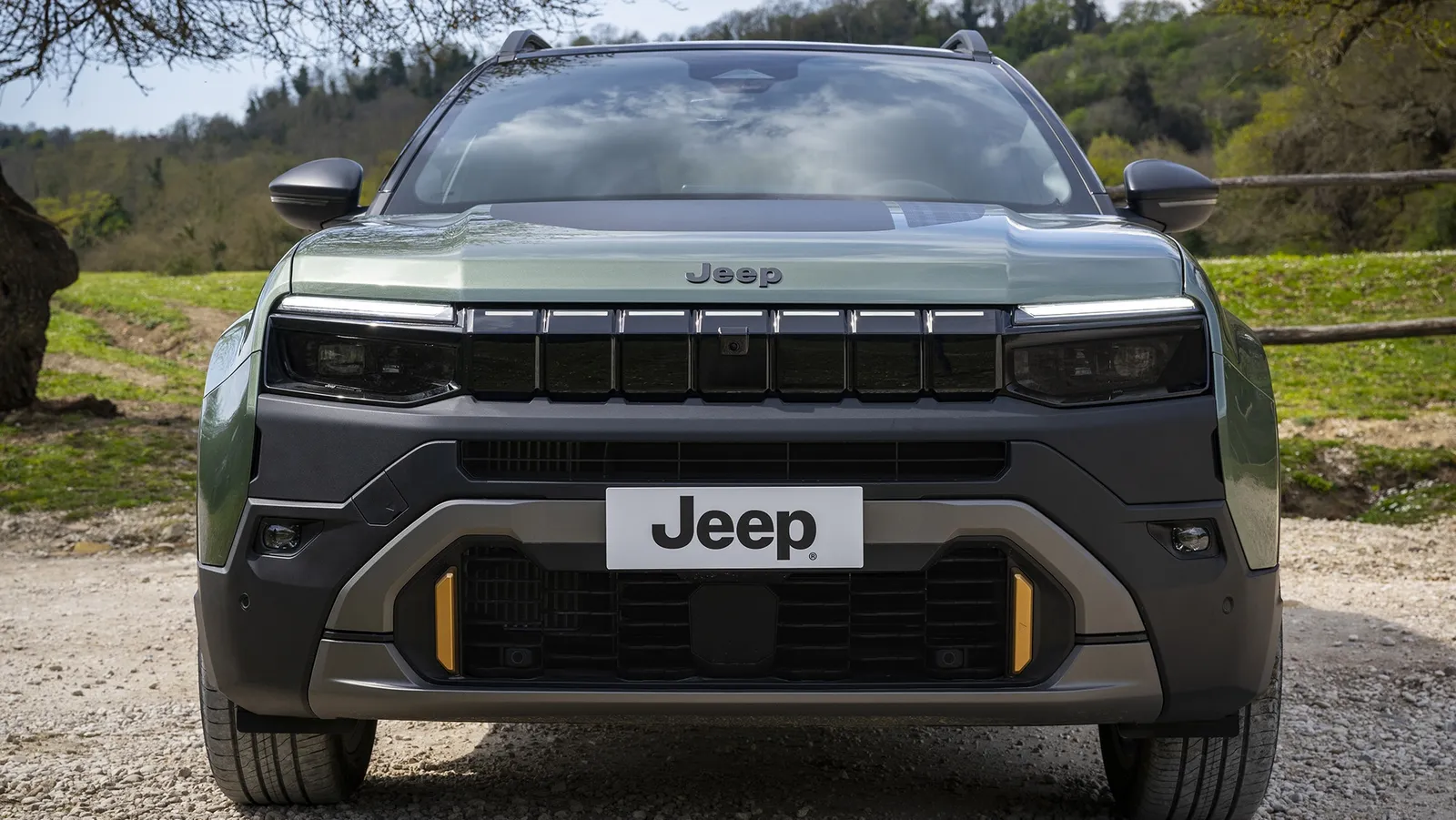
For some brands, electrification means more than just replacing a combustion engine with a battery. Jeep is celebrating its 85th anniversary amid the ongoing transformation of the automotive industry, and it has chosen this moment to show that its identity can evolve without disappearing. The new all-electric Jeep Avenger 85th Anniversary thus becomes a contemporary interpretation of a legacy built around concepts such as freedom, adventure, and unique personality.
The approach behind this special edition stems from a simple idea: bringing Jeep’s DNA into electric vehicles. Rather than attempting to replicate the past literally, it involves transferring some of the brand’s historical symbols into a compact, urban vehicle with zero direct emissions.
This dialogue between tradition and modernity appears even before discussing batteries, power, or range.
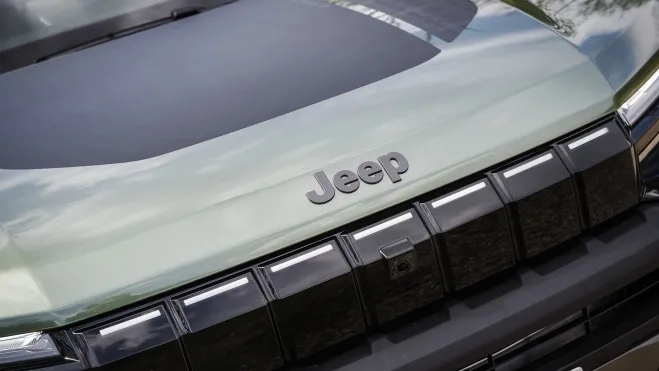
The seven slats survive the shift to electric power
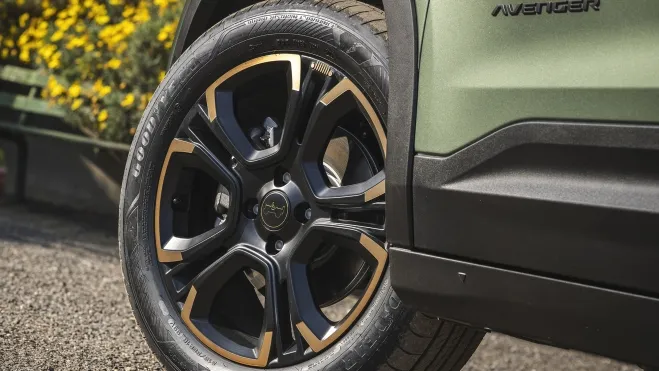
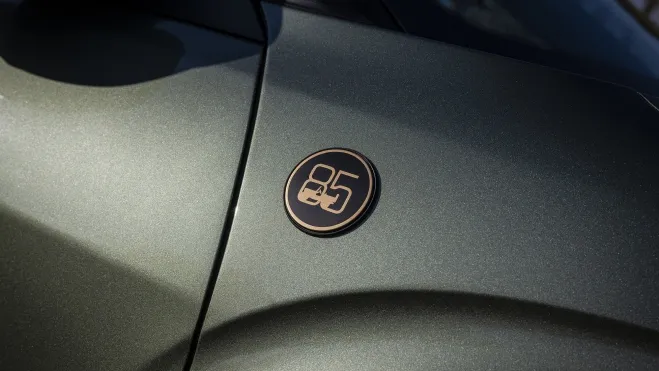
Around it, new elements appear specifically created to celebrate the anniversary. The golden details on the front bumper, the distinctive 85th Anniversary logo on the sides, and the 18-inch tires with finishes in the same tone make this tribute visible without relying on a retro aesthetic.
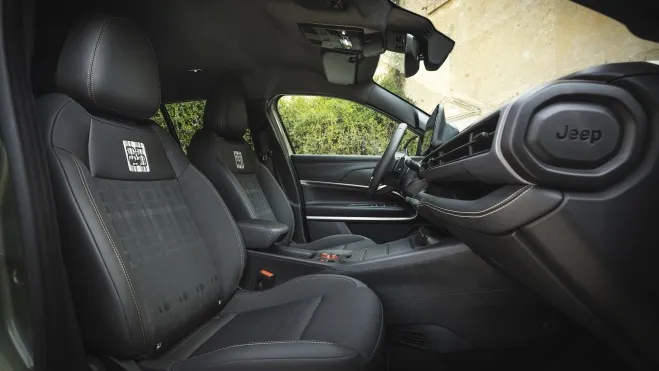
Jeep has aimed for the same effect inside the cabin. The custom seats feature upholstery inspired by tartan patterns, along with golden stitching and 85th anniversary logos. These details add an emotional dimension to a model that, in terms of technology, clearly belongs to the brand’s new era.
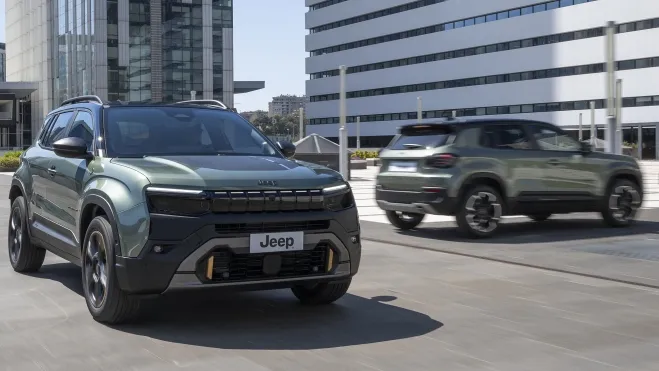
Being electric doesn’t mean giving up on being a Jeep
Electrification also raises a particularly important question for a brand whose image is so closely tied to adventure: what happens to its character when the traditional engine disappears?
Jeep tries to address this by retaining elements that aren’t solely related to aesthetics. The electric Avenger comes standard with Selec-Terrain technology, offering various settings to adjust the vehicle’s response to different driving conditions, as well as Hill Descent Control, which helps maintain control when descending steep surfaces with poor traction.
It is a way of transferring certain functional codes from Jeep to a car that is very different from those with which the brand originally built its reputation.
It also changes the context. At 4.08 meters in length, the Jeep Avenger represents a more compact and urban interpretation of that spirit, designed for Europe where cities, efficiency, and emission regulations carry increasing importance.
85 years later, the engine can now be electric
The biggest difference is, naturally, under the hood.
The Jeep Avenger Full-Electric features an engine with 115 kW of power, equivalent to 156 horsepower, and up to 260 Nm of torque, powered by a 54 kWh battery. Its certified range reaches 400 kilometers on the WLTP mixed cycle, and it supports fast DC charging up to 100 kW, allowing it to reach approximately 20% to 80% charge in about 27 minutes.
These figures are typical of a generation of vehicles that has little technical overlap with past Jeeps. That is precisely the message behind this edition: a brand’s identity does not have to depend solely on the technology it uses for propulsion.
LED Matrix headlights, a 360-degree camera, a 10.25-inch central display, and wireless connectivity complete this transition toward a much more digital vehicle.
Jeep’s heritage enters a new era
The 85th Anniversary edition is more than just an aesthetic celebration. It shows how Jeep plans to address one of the biggest technological changes in its eight and a half decades of existence.
The seven slats remain, along with the emphasis on adventure, certain features for navigating difficult terrain, and an aesthetic designed to stand out. But now they can coexist with a battery, an electric motor, and zero direct emissions during driving.
Jeep reaches its 85th anniversary by looking back enough to remember where it comes from, but using the electric Avenger to determine where it wants to go. Because its biggest challenge isn’t just manufacturing electric vehicles, but ensuring that even as technology completely changes, they remain recognizable as Jeeps.
Jeep’s warranty provides coverage from the moment the vehicle is delivered. For the first 36 months, it includes the repair or replacement of defective components, as well as the labor and supplies needed to carry out these repairs. It also covers roadside assistance, original parts, and work performed by trained professionals.
In addition to this protection, there is a three-year coverage specifically for manufacturing defects in the paint, along with a seven-year warranty against body rust that causes perforations from the inside out.