
The Japanese have developed a halide electrolyte for solid-state batteries. Efficient, cheaper to produce, with potential deployment soon.
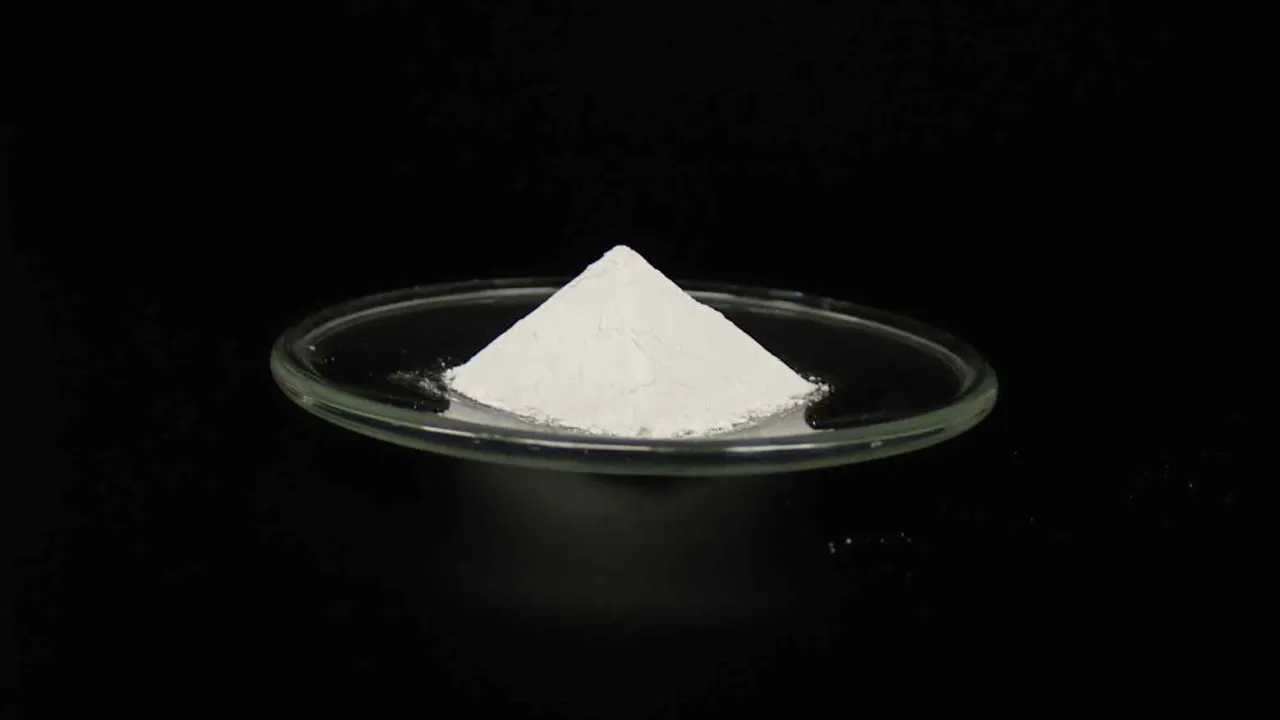
Japanese chemical companies continue their efforts in developing solid-state batteries. While Idemitsu Kosan, Toyota’s main partner, has focused on sulfide electrolytes, Sumitomo Chemical claims it is preparing for the mass production of halogen-based electrolytes, according to Nikkei (source; paywall required). These electrolytes are said to have promising performance metrics and may also be cheaper to produce due to the ability to use existing Li-ion battery manufacturing lines. This is not possible with conventional sulfide-based electrolytes, which significantly increase costs.
Halogens, halides – what are they?
Table of contents
Halogens, halides – what are they?
Halogen bulbs, halogen batteries?
Halogens (Wikipedia HERE) are more or less complex salts of four elements belonging to the halogen group: fluorine (F), chlorine (Cl), bromine (Br), and iodine (I). Their name comes from Greek and means “salt-forming” (source). Halogen bulbs get their name from the presence of a small amount of gaseous halogen in the bulb, which regenerates the tungsten filament during operation. This allows it to withstand higher temperatures (=more light) while still having a longer lifespan.
Halogen bulbs, halogen batteries?
Although halogenides are present in minimal amounts in halogen bulbs, this component proved to be so crucial that it was permanently included in the terminology. Therefore, it is possible that a similar situation will arise with the solid electrolyte cells developed by Sumitomo. According to information obtained by Nikkei, the company uses at least chlorine-based halogens in its solid-state cells. The electrolyte is said to have ionic conductivity comparable to that of sulfides, which is already a significant achievement, as it is precisely the high conductivity of sulfides that makes them considered today’s most promising material for solid-state battery production.
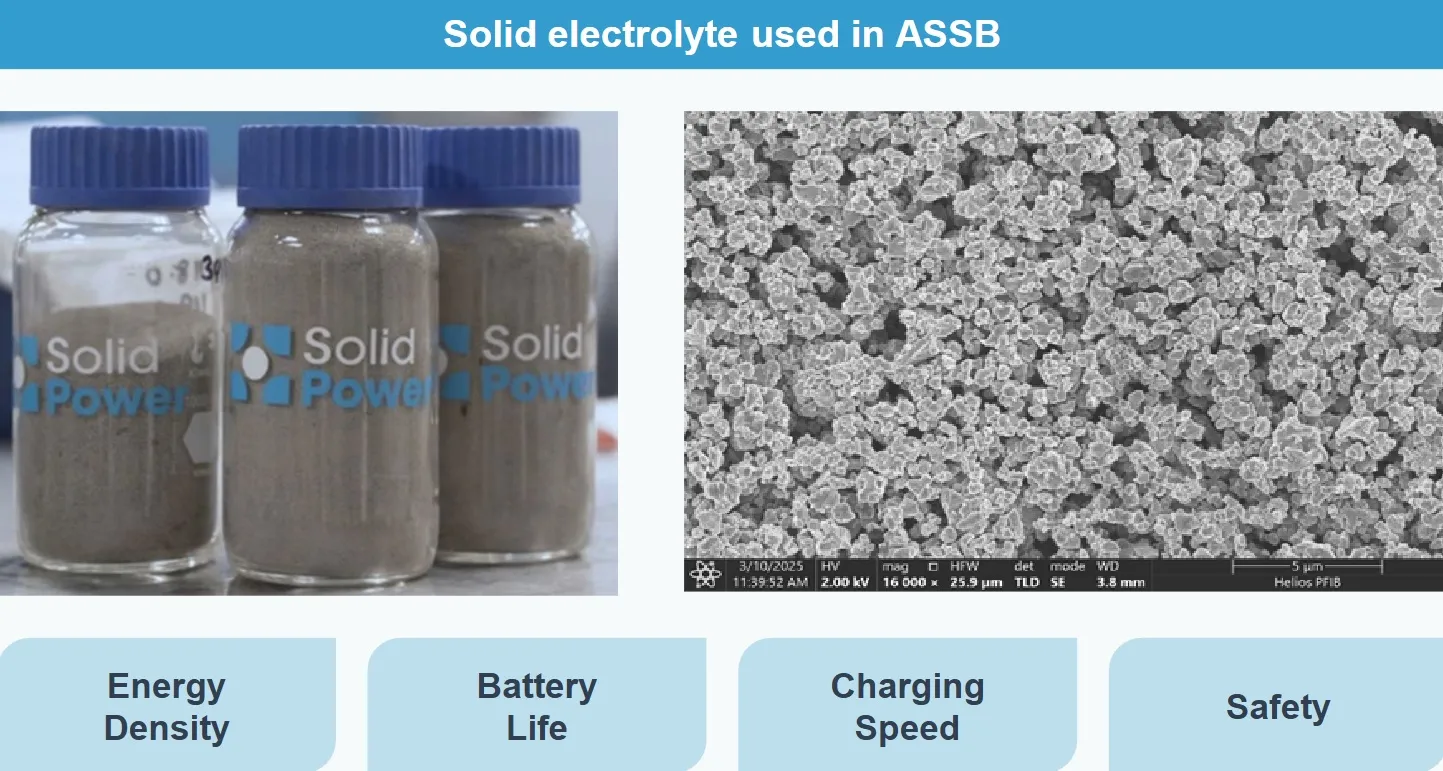
The solid electrolyte from Solid Power, based on sulfides, is gray. Solid Power is currently the most promising manufacturer when it comes to solid electrolyte batteries (c) Solid Power
Solid electrolytes must reconcile two contradictions: they need to be dense enough to trap growing lithium dendrites, yet thin enough to allow lithium ions—particles tens of thousands of times larger than electrons—to pass through freely.
A Japanese company promises the possibility of partially utilizing existing production lines for Li-ion cells to manufacture “halogen-based” solid-state cells. This is a significant advantage, as it allows use of the existing infrastructure that all manufacturers have been expanding to meet the growing demand for modern batteries. Sumitomo Chemical announces its readiness for mass production and has requested evaluations of its electrolyte from key partners. Detailed specifications and timelines are not yet known, but it is understood that the company has been working on the recovery and recycling of halogen compounds for years (source).
Sumitomo Chemical’s solid electrolyte (c) Sumitomo, via: Nikkei
Editor’s note from Elektrowozu: While working on this article, we found information indicating that halogen-based solid electrolytes, which are chlorine compounds, are not an invention of Sumitomo. A ready-made product of this kind is sold by the American company NEI Corporation, which fits well with Sumitomo’s research on halogenide recycling.
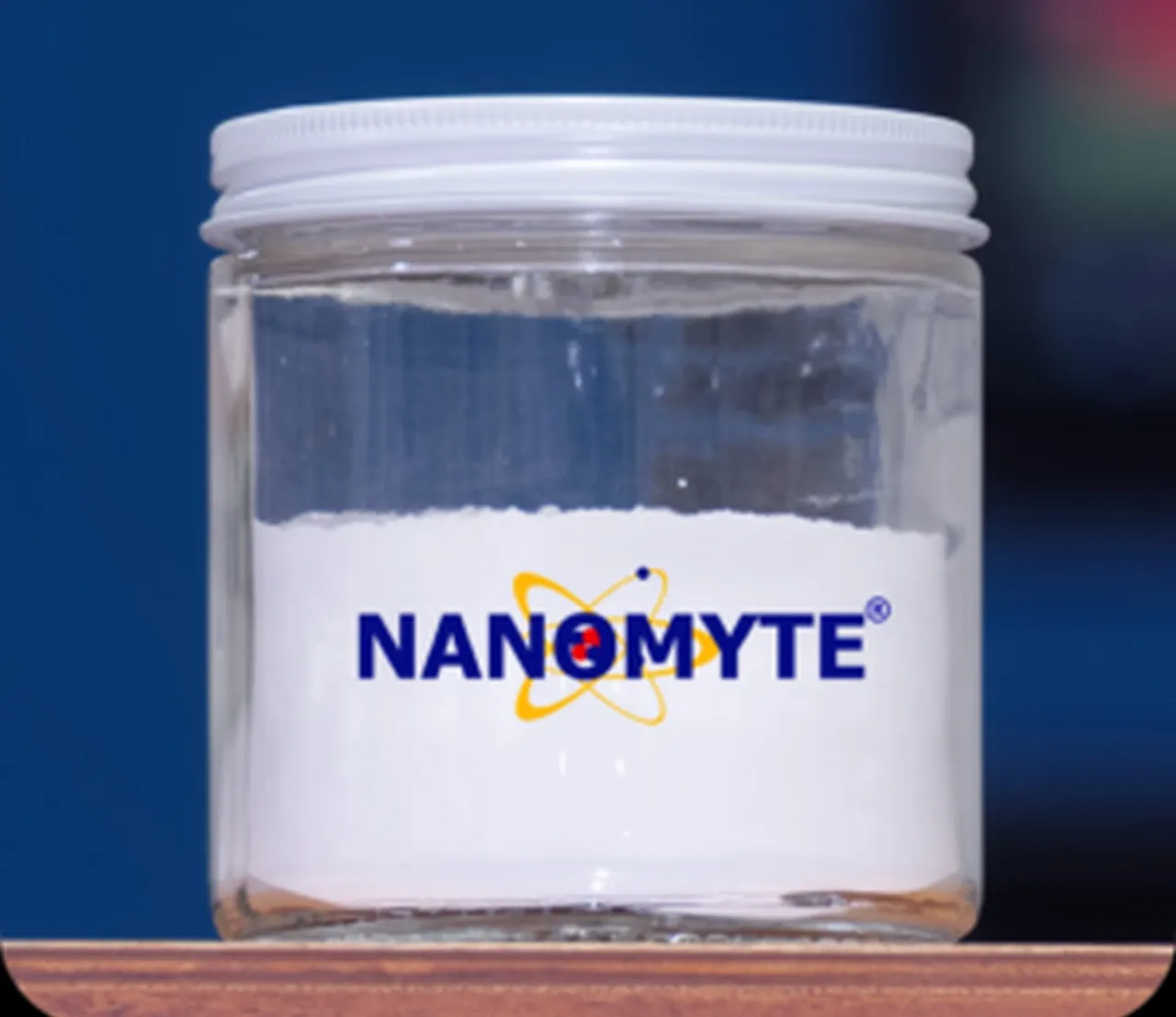
An example product from NEI Corporation. Compare its color with Sumitomo’s electrolyte
Article rating
Reader ratings
[Total: 5 votes Average: 5]
Don’t miss new content—CLICK and FOLLOW Elektrowoz.pl on Google News. You might also be interested in the following ads: