
Japan is confronting Germany over a rule that could exclude its electric cars from European subsidies.
31/10/2026 16:00
Updated to
31/10/2026 16:00
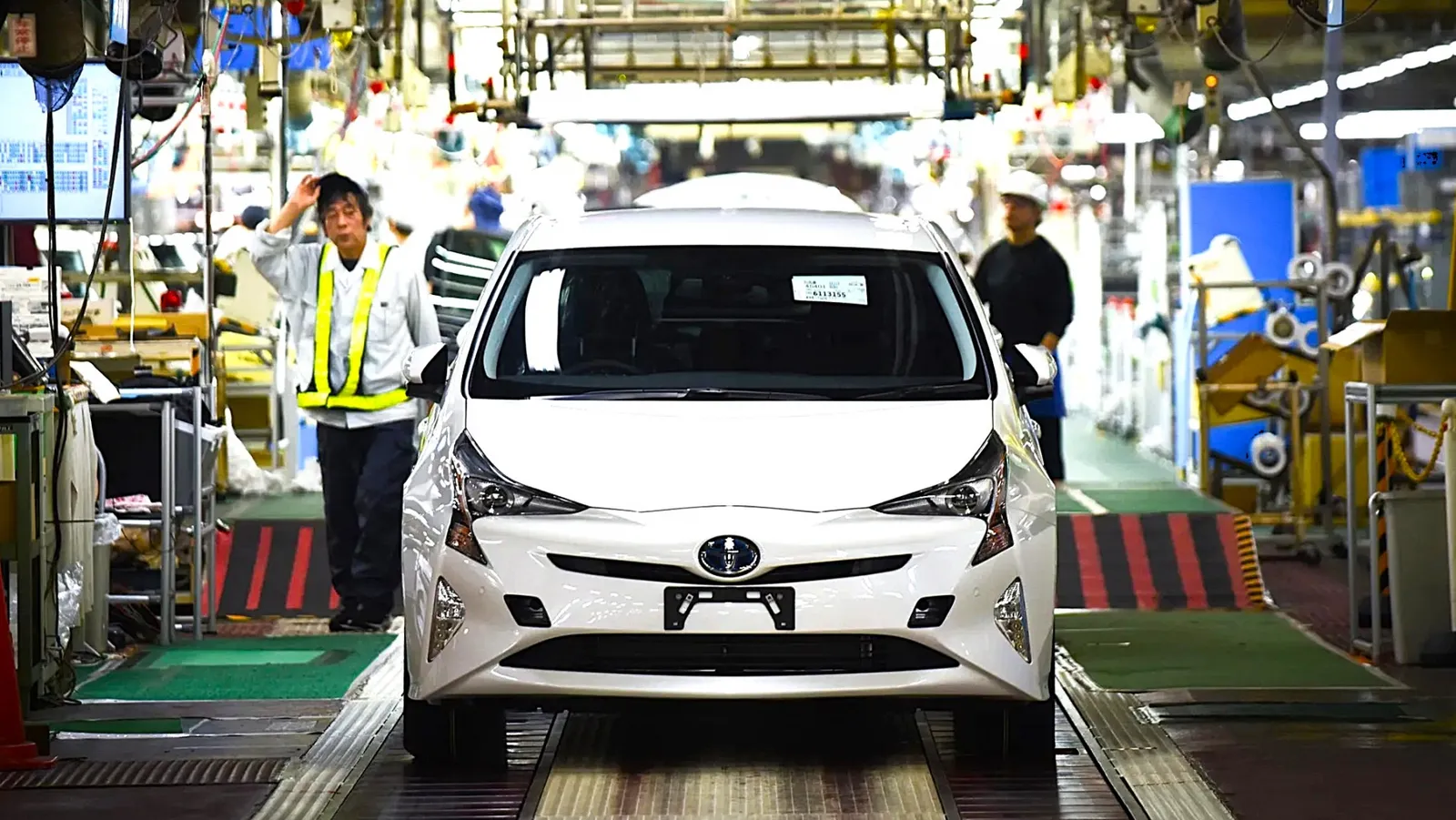
Japan has launched a diplomatic campaign to prevent its electric vehicles from losing access to certain government subsidies in Europe. This situation could harm manufacturers such as Toyota, Nissan, Honda, and Mazda if the new rules being considered by the European Union to favor vehicles produced within its territory ultimately go through.
Japanese Prime Minister Sanae Takaichi will use the meeting scheduled for October 28 in Tokyo with German Chancellor Friedrich Merz to request a change to the agreement reached between France and Germany, according to the Seoul Economic Daily. The goal is to allow cars manufactured in Japan to benefit from the same conditions as those considered European.
France and Germany want to tighten requirements for accessing European subsidies
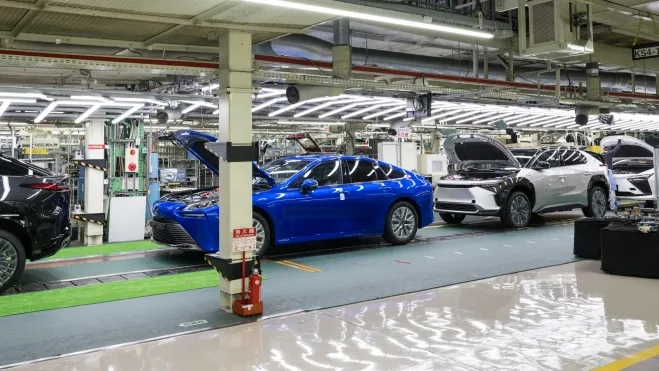
The conflict stems from an agreement announced on October 16 by Paris and Berlin, through which both governments aim to boost electric vehicle manufacturing within Europe and reduce reliance on foreign suppliers, especially from China. However, the conditions they propose would also put countries such as Japan, South Korea, and Turkey at a disadvantage.
According to documents reported by various European media, the Franco-German proposal stipulates that, starting in 2028, vehicles eligible for certain government incentives must meet a range of industrial requirements. These include ensuring that at least 70% of the value of their components, excluding the battery, originates from Europe, while the battery itself must contain at least 10% European content, in addition to complying with territorial assembly requirements.
The main difference from other community proposals lies in the countries included under this framework, as France and Germany want to limit it primarily to the 27 member states and allow certain European partners, such as the United Kingdom, Norway, Iceland, or Switzerland, to join, provided they accept reciprocal conditions and mechanisms to prevent manufacturers from third countries from circumventing the restrictions.
Japan demands that its manufacturers receive the same treatment as Europeans
The Franco-German stance contrasts with certain aspects of the Industrial Acceleration Act proposed by the European Commission on March 4, 2026, which aims to boost community production through rules on origin for public purchases and specific incentive programs. This is because the proposal allows content from countries with specific trade agreements to receive treatment equivalent to that of European products under certain conditions.
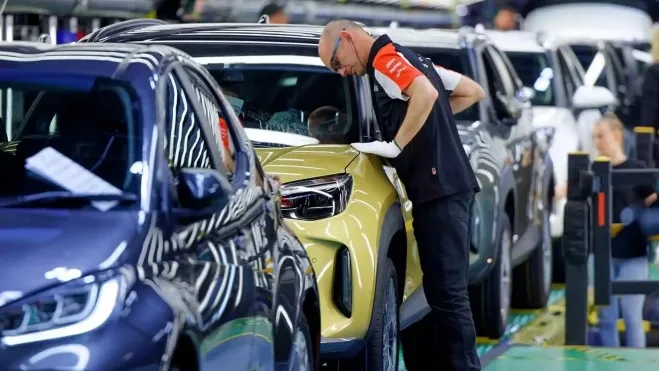
However, this possibility does not eliminate all restrictions for Japanese manufacturers, as Annex III of the proposal requires that electric vehicles, plug-in hybrids, and fuel cell vehicles be assembled in the European Union and meet the aforementioned 70% local content requirement, in addition to setting other conditions related to batteries, electric propulsion, and electronic systems.
The Japanese government believes these restrictions could harm trade relations with Europe despite the economic partnership agreement in place since February 2019. This concern was publicly voiced by Economy, Trade and Industry Minister Ryosei Akazawa on October 20, when he announced that he would seek a review of the European approach, though Tokyo acknowledges that directly modifying the agreement between France and Germany will be complicated.
In this scenario, Japanese authorities intend to bring their demands to the negotiations between the European Commission, Parliament, and Council—a position also defended by Toyota, which calls for a broader interpretation of the concept of European manufacturing that takes into account the continent’s trading partners. The outcome will still depend on an ongoing legislative process that must determine which vehicles can ultimately benefit from the planned public incentives.