
January to July 2026: Fewer electric vehicle exports, significantly more imports
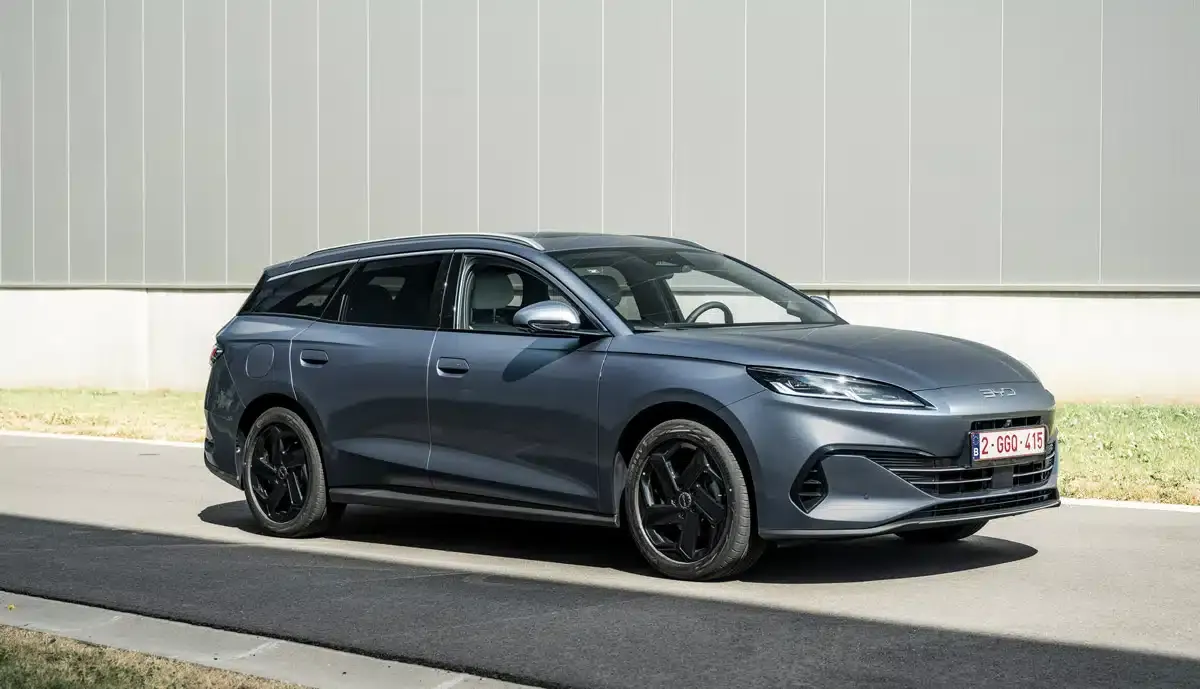
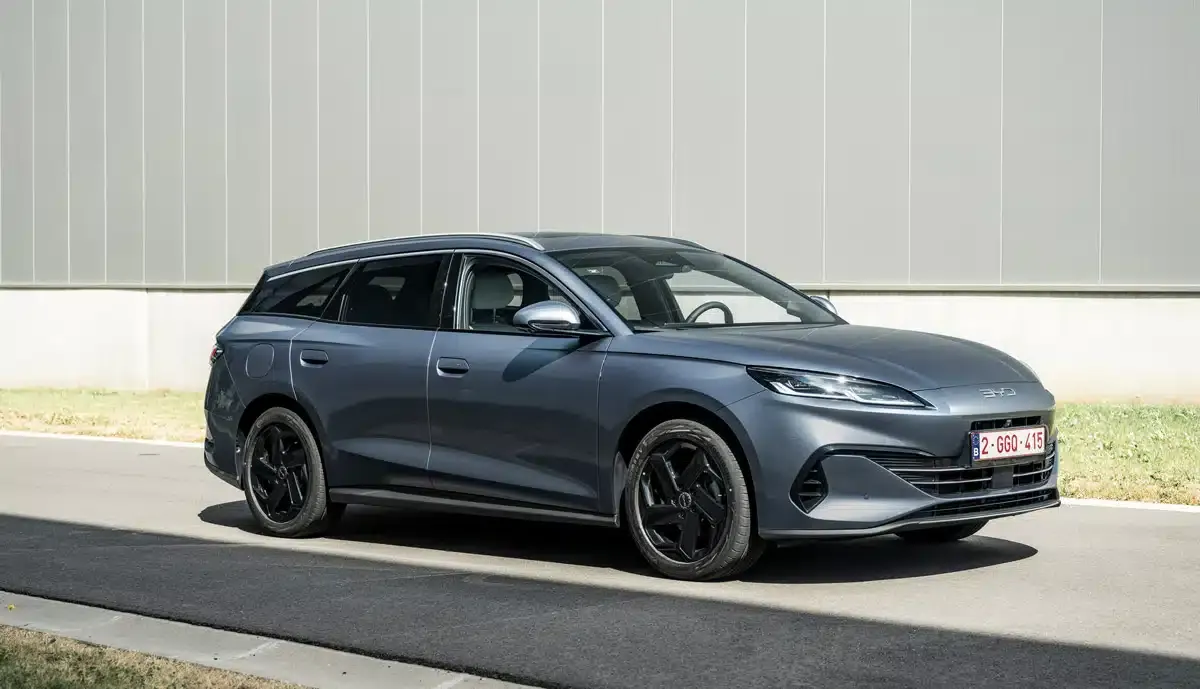
Image: BYD (illustrative)
From January to July 2026, approximately 2.0 million new passenger cars worth 73.5 billion euros were exported from Germany. According to the Federal Statistical Office (Destatis), exports of new cars decreased by 4.0 percent in terms of quantity compared to the same period last year. In terms of value, exports of new passenger cars dropped by 8.9 percent.
The main destination countries for German passenger cars in the first seven months of 2026 were the United Kingdom, the USA, and Italy. 32.7 percent of new cars were exported to these three countries. Around 258,000 cars, or 13.0 percent of new cars, were exported to the United Kingdom, 245,000 cars (12.3%) to the USA, and 147,000 cars (7.4%) to Italy.
New Electric Cars Account for 28.1 Percent of Exports
The export of new gasoline-powered vehicles accounted for the largest share in terms of volume during the first seven months of the year: 52.7 percent of Germany’s new car exports were of this type. Followed by vehicles with electric motors (28.1%) and hybrid vehicles (19.2%). These percentages remained largely unchanged compared to the same period last year. Exports of gasoline-powered cars declined by 2.9 percent to 1 million units between January and July 2026, while exports of electric cars dropped by the same 2.9 percent to 560,000 units, and exports of hybrid vehicles fell by 8.2 percent to 380,000 units compared to the previous year’s period.
In the United States, 245,000 passenger cars worth 9.6 billion euros were exported, representing a 2.6 percent decrease in quantity and a 17.1 percent decline in value compared to the previous year. The largest share of exports to the U.S., at 198,000 units or 80.8 percent, consisted of gasoline-powered cars. Electric vehicles accounted for 10.0 percent (25,000 units), followed by hybrid vehicles at 9.2 percent (23,000 units). Exports of new gasoline-powered cars to the U.S. increased by 31.7 percent from the same period last year between January and July 2026, while significantly fewer hybrid vehicles were exported there (-50.3 percent). Exports of electric vehicles also dropped by 56.1 percent compared to the previous year.
Imports of new passenger cars rose by 16.0 percent, with China becoming the top import country for such vehicles
In the first seven months of 2026, approximately 1.3 million new passenger cars worth 34.9 billion euros were imported into Germany. Compared to the same period in 2025, imports increased by 16.0 percent in volume and by 12.6 percent in value. Among imported vehicles, internal combustion engines were the most common type, accounting for 43.7 percent or 554,000 cars, followed by hybrid engines at 31.8 percent of imported vehicles (403,000 cars). Pure electric vehicles made up 24.4 percent of imports (309,000 cars).
Compared to the same period in 2025 from January to July, imports of cars with internal combustion engines decreased by 9.0 percent, while imports of hybrid vehicles increased by 36.0 percent and those of pure electric cars rose by 66.3 percent.
The majority of imported new cars came from China, accounting for 13.8 percent (175,000 vehicles), followed by the Czech Republic (13.7 percent, 173,000 vehicles) and Spain (12.4 percent, 157,000 vehicles). Thanks to a sharp increase in new car imports (+120.9 percent), China rose to first place among the top supplying countries. In the same period last year, China was ranked fourth among suppliers. Imports from the Czech Republic also increased by 22.9 percent compared to the previous year, while imports from Spain slightly declined by 0.4 percent.
From the United States, approximately 59,000 new cars were imported from January to July 2026 (4.7 percent of total new car imports). Imports from there decreased by 5.1 percent compared to the previous year, pushing the United States to sixth place among the top suppliers of new cars (fifth place last year).
Also interesting
About the Author
Thomas Langenbucher is an expert in electromobility with professional experience in the automotive industry and finance sector. Since 2011, he has been covering electric vehicles, sustainable technologies, and mobility solutions on ecomento.de. Learn more.
Reader Interactions