
Chinese researchers present a super stable metal lithium battery with an energy density exceeding 600 Wh/kg
05/09/2026 10:00
Updated to
05/09/2026 10:00
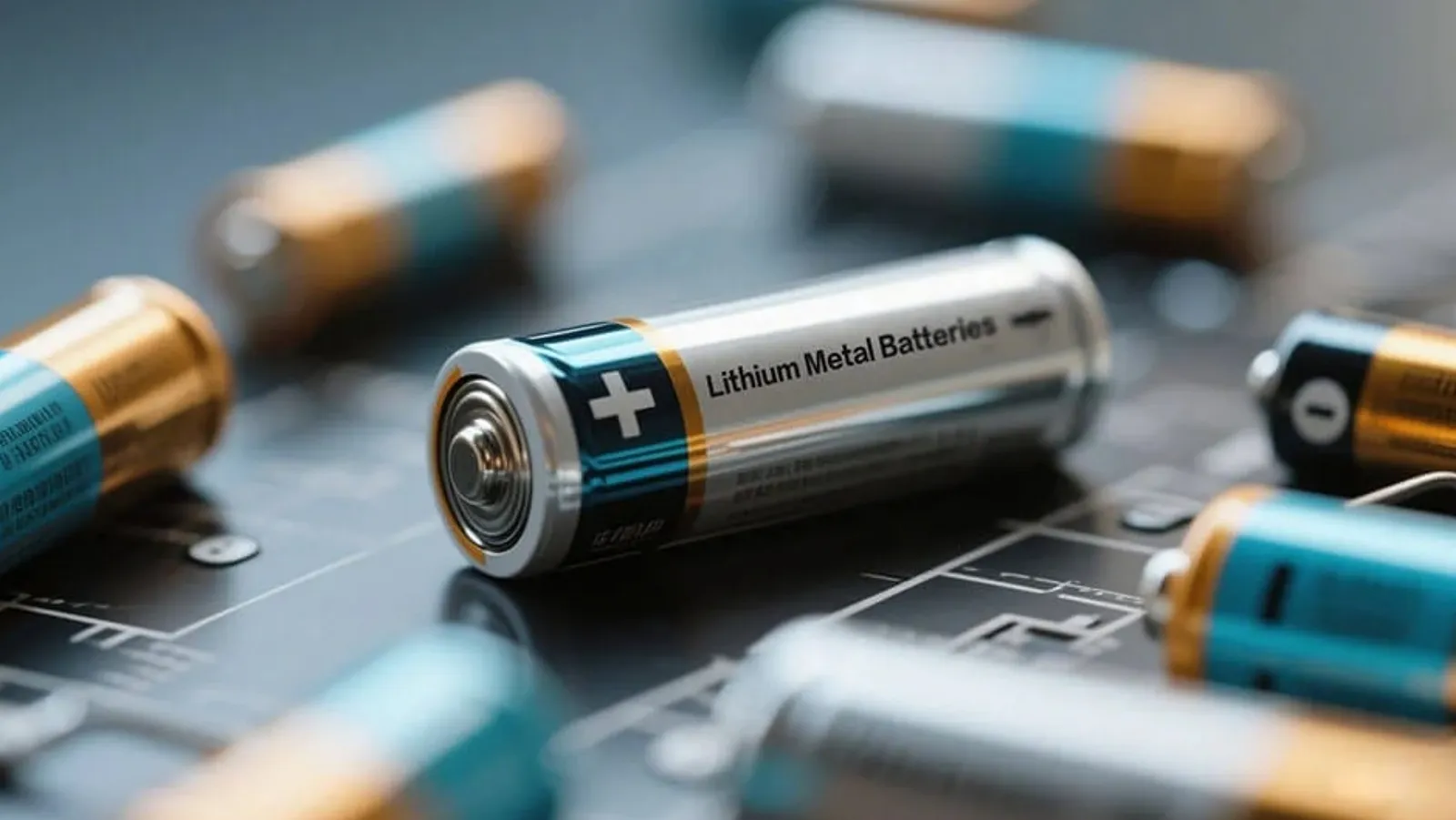
Developing batteries with an excellent weight-to-energy capacity ratio represents one of the biggest challenges in the automotive and industrial sectors. In this area, a joint research team from the Tianmushan Laboratory and Tsinghua University has announced progress in regulating the electrolyte for lithium-metal batteries. The project resulted in the creation of a pouch-shaped cell that achieves a level of 600 Wh/Kg, offering high operational stability.
This increase in gravitational density doubles the performance of conventional chemicals used in electric vehicles. The research has focused on overcoming the major durability and safety limitations that have historically hindered pure metal anodes, enabling a lighter and more compact battery to store significantly more energy in the same volume. In other words, more energy in the same package, which translates to greater range.
Ternary cathodes and manganese-rich batteries

In tests conducted on 10 Ah pouch-type cells, researchers evaluated various cathode combinations. By pairing a lithium metal anode with a nickel-rich ternary cathode, the cell achieved an energy density of 550.7 Wh/Kg. During cycling tests, the cell retained 80% of its initial capacity after completing 180 charge-discharge cycles.
The energy performance improved further when the cathode was replaced with one made of manganese- and lithium-rich materials. With this new configuration, the battery’s reversible specific energy surpassed the benchmark threshold, reaching 602.5 Wh/Kg and setting a new standard for this type of cell structure.
Dendrite Suppression and High-Voltage Protection
The key to this advancement lies in the development of an electrolyte additive that acts directly on the interfaces between the two electrodes. At the cathode, this component creates a protective surface layer designed to reduce damage and degradation caused by continuous high-voltage cycling.
Simultaneously, the chemical formulation creates a stable interfacial layer on the lithium-metal anode. This physical and chemical barrier effectively suppresses the growth of lithium dendrites, microscopic structures that typically cause internal short circuits and premature failure in this type of cell. Current commercial lithium batteries, which use graphite anodes, are approaching their theoretical energy density limit of around 350 Wh/kg.
Project Status and Path to Production
Despite the promising results achieved in pouch-shaped cells, the research team clarifies that the technology is still in the research and development phase within laboratories. The system has not yet reached industrialization and is not produced on a commercial scale. However, the performance data and interface stability provide a solid foundation for future manufacturing processes aimed at vehicles and mobility systems that require a drastic reduction in battery pack weight. In the past, CATL has already undertaken similar work, but like the researchers at Tianmushan Lab, they have not yet succeeded in creating the final formula that would enable its commercialization.