
Smart use of infrastructure, or costly network expansion. Up to 10 billion euros in savings!
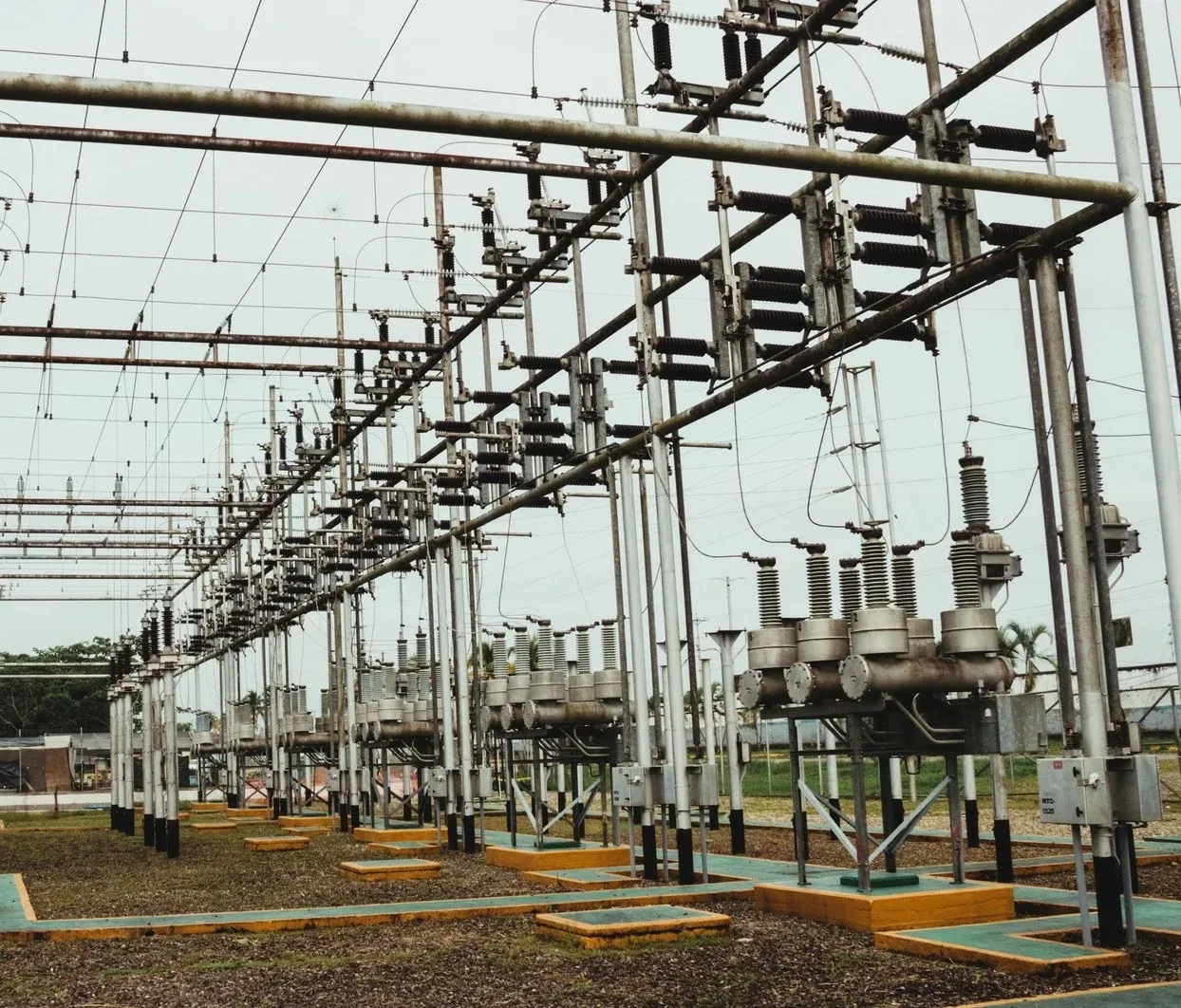
The latest data prepared for EIT Urban Mobility, ChargeUp Europe, and ACEA show that Europe can avoid over 10 billion euros in investments in distribution networks, provided it implements smart management of electric vehicle charging. The concrete figures from the report Electricity Grids in Europe illustrate how intelligent use of existing infrastructure can accelerate transportation electrification without overloading the networks.
In short:
Europe can avoid over 10 billion euros in investments in distribution networks
Condition? Implementing smart management of electric vehicle charging
Intelligent use of existing infrastructure can speed up transportation electrification without overloading networks — according to the report by EIT Urban Mobility, ChargeUp Europe, and ACEA
If Europe continues to charge electric vehicles as it does today, 24.7 billion euros in investments will be needed for distribution networks by 2030.
Local low-voltage networks will become the foundation of European electromobility, emphasizes Siemens.
Investing in networks
Europe’s transition to electromobility is accelerating, but this brings increased pressure on energy grids. The latest models and forecasts prepared by Siemens leave no doubt — if Europe continues to charge electric vehicles as it does today, 24.7 billion euros in investments will be required for distribution networks by 2030.
However, under a scenario of smart load management, this figure drops to 14.1 billion euros, representing savings of 10.6 billion euros. “Investing in smart grids will already help Europe build a more resilient, sustainable, and cost-effective energy system for the future,” emphasizes Dr. Ralf Blumenthal from Siemens Grid Software.
The Electricity Grids in Europe report analyzes the impact of the growing number of electric vehicles on distribution networks in 64 European cities, from Stockholm to Kraków. A model based on six urban scenarios shows that the increase in BEVs will be rapid, as their number is expected to rise 3.8 times by 2030, requiring network upgrades in each of the cities analyzed. The greatest pressure will fall on low-voltage systems — up to 77.7 percent of investments relate to this segment, mainly due to home charging, according to ACEA.
The way BEVs are charged is crucial
It is home charging that becomes the key element in this puzzle. According to Siemens’ models, 55 to 62 percent of drivers in the cities analyzed will have access to home charging by 2030. This means that local low-voltage grids will become the foundation of European electromobility. The report’s authors emphasize that “coordinating the development of charging infrastructure with energy grid planning is essential to avoid local overloads.”

At the same time, the importance of electrifying commercial transportation is growing. In some countries, the growth rate of battery-powered delivery vehicles will be even faster than in the passenger car segment. In Sweden, BEVs will account for 22.7% of the light commercial vehicle market, in Germany 9.1%, and in Poland 5.9%. Meanwhile, our domestic fleet of electric vans (mainly delivery vehicles – note from editor) is set to increase by nearly ten times. “Ensuring that power grids can handle the charging of logistics fleets will become crucial for air quality in cities and achieving climate goals,” reads the analysis.
Smart charging is essential
The report also shows how much the charging method affects network load. Modeling five types of charging—home, workplace, public, transit, and so-called fleet bases—reveals huge differences in local power demand. Cities with limited access to private charging will need to develop public infrastructure more intensively, which requires close cooperation between network operators and local governments.
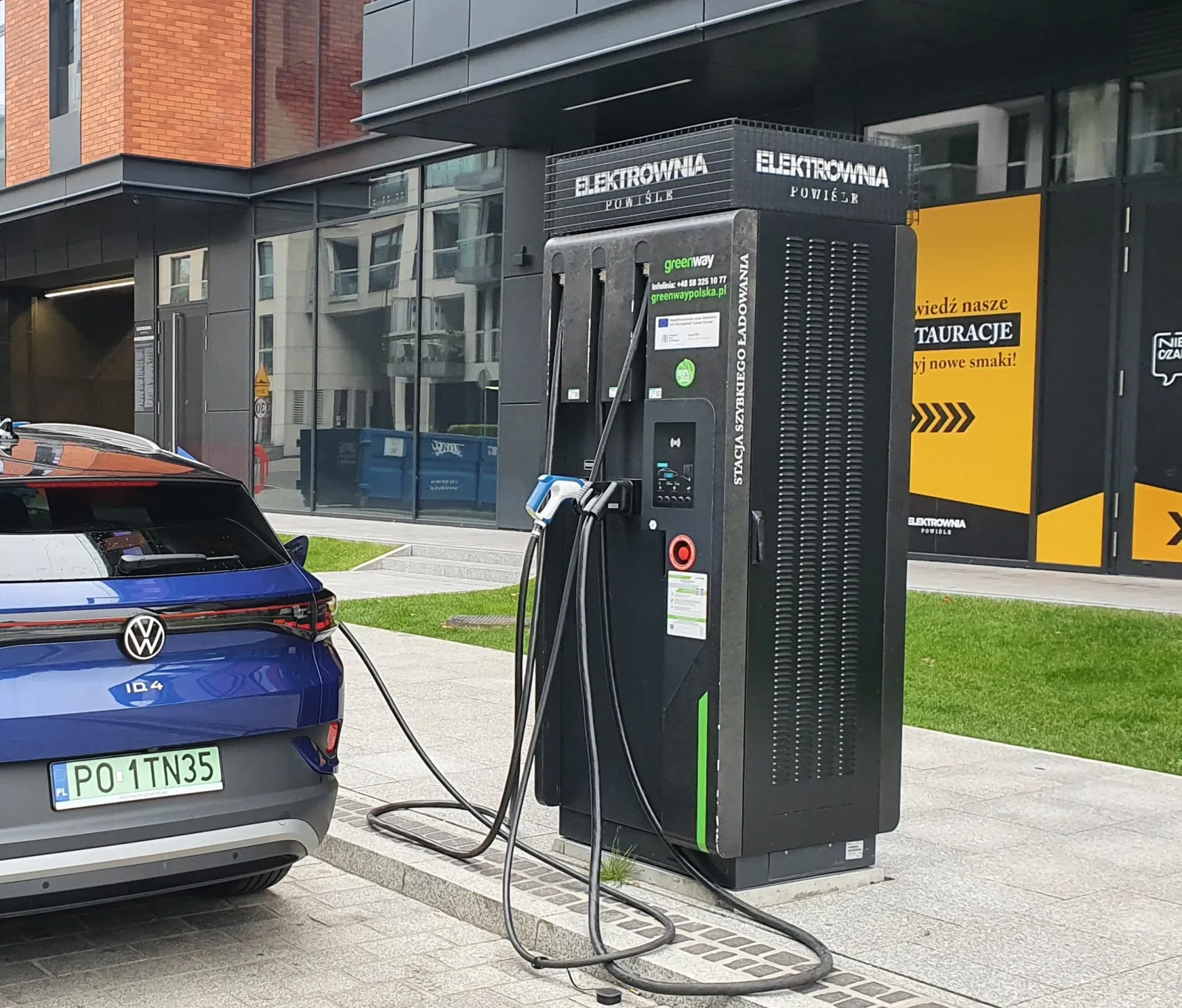
In summary, without intelligent management of charging power, Europe will have to spend billions on physically expanding the network. Of course, smart charging won’t replace these investments, but it can significantly reduce them by allowing existing infrastructure to be used much more efficiently than it is today.
Oskar Włostowski