
INDIE is delaying the construction of its LFP cell factory because China has started blocking access to the technology.
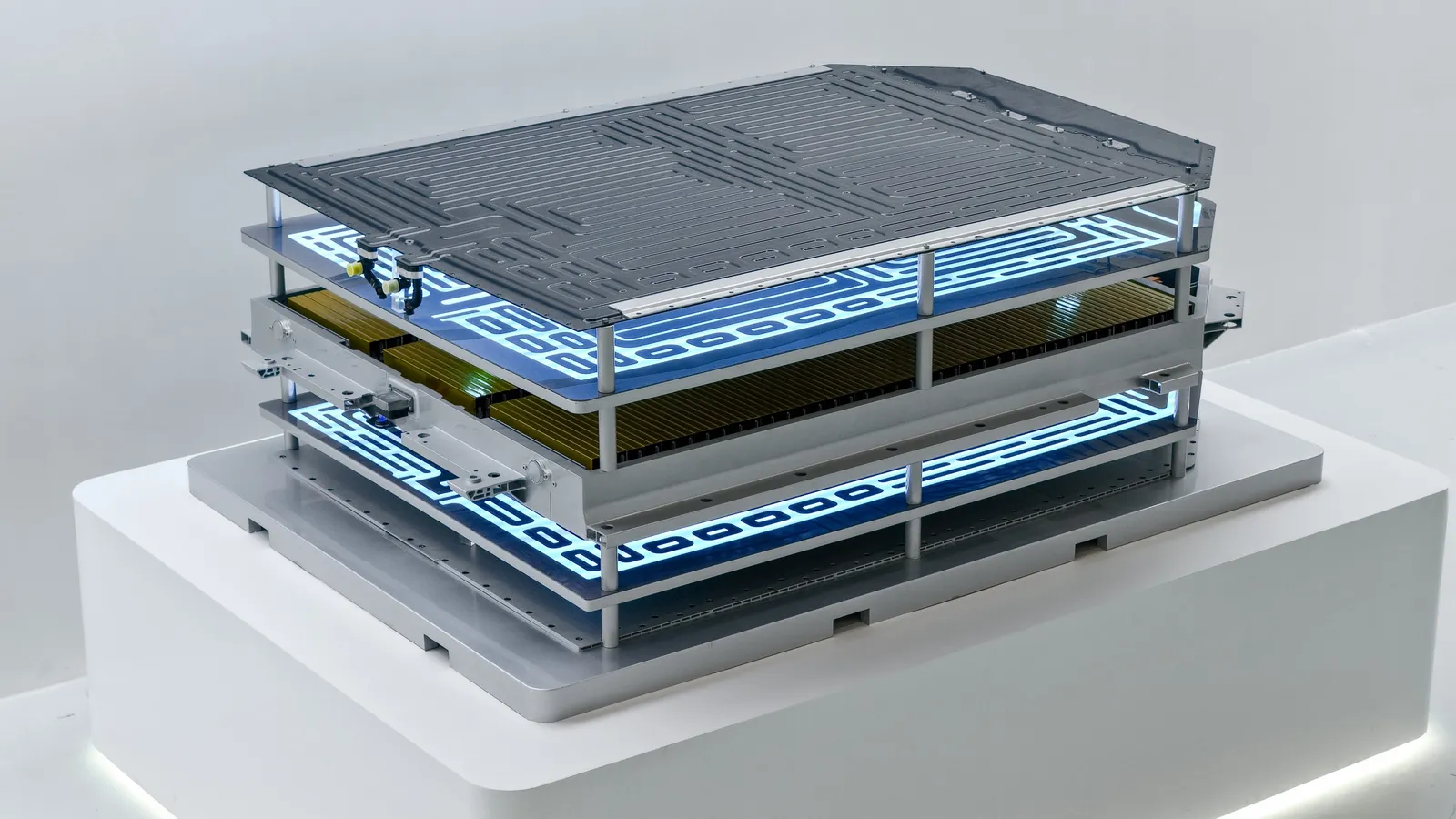
An interesting situation that could have far-reaching consequences around the world. The Indian JSW Group has halted work on launching a factory for lithium-iron-phosphate cells and batteries. Initially, it was planned to purchase cathode materials from China while developing its own technology over time, but China has begun strictly controlling who it sells raw materials to for producing such cells. It seems that at present, it is not selling them… to almost anyone outside of China.
LFP Cells: To Rule Them All?
JSW Group is a large Indian conglomerate that operates in areas such as energy, steel, cement, paints and coatings, defense, and automotive parts. Money is not an issue for JSW Group. The group decided to develop the energy storage sector and concluded that LFP cells were the best choice because they offer the best performance-to-price ratio. With the patent rights expiring, Chinese companies were willing to supply raw materials to anyone interested until recently — it seemed this plan was a sure recipe for success.
But no. The Chinese began strictly controlling who could order raw materials for the latest types of LFP cells. As a result, JSW Group had to announce just four months after announcing the project’s start that it would suspend construction of the factory in Orissa (India; source). While the company can develop LFP cells on its own, it is aware that the product it will produce will have specifications from over a decade ago. The research and development process was intended to be shortened to a few years, with the gap to be filled by cells using Chinese materials. The problem is that China has almost completely blocked the export of raw materials.
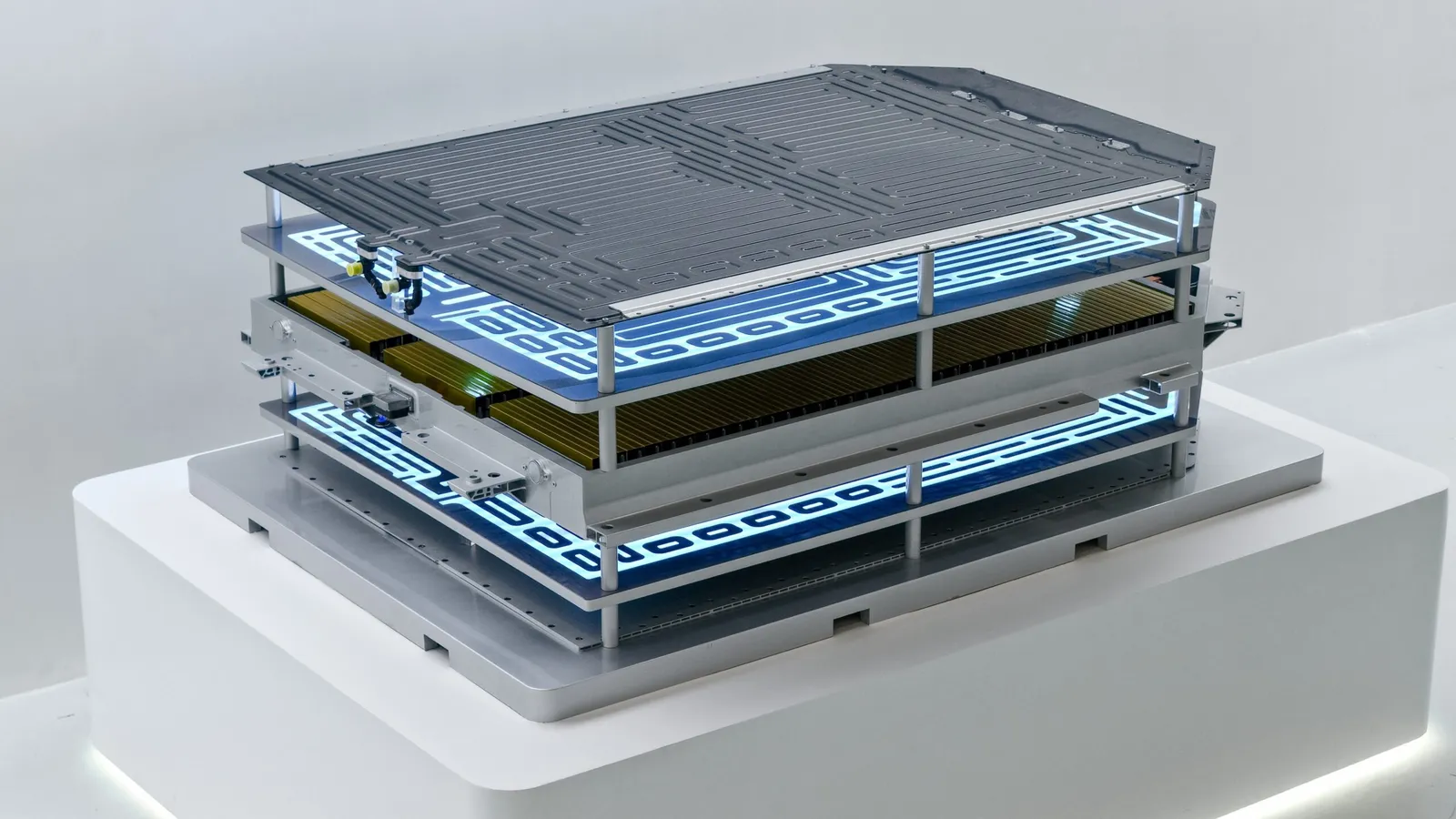
The latest generation of Geely Golden Battery can charge from 10% to 70% in less than 4.5 minutes. No company outside of China possesses such LFP technology. Illustrative rendering (c) Geely
For us, electric vehicle buyers, this could mean far-reaching consequences. Since China does not allow the export of pre-products for LFP cell production, companies outside China must either 1/ rely on their own technology or 2/ purchase ready-made cells from China. No one has a good LFP technology of their own; at best, those existing technologies from the previous decade have [ridiculously low energy densities, charging speeds, and poor cold resistance – edit]. It is possible that in the next few years, the highest charging speeds will only be available in Chinese electric vehicles, while all other companies will get much weaker ready-made products. Or they will have to pay a lot for reliable ready-made products (i.e., cells/batteries).
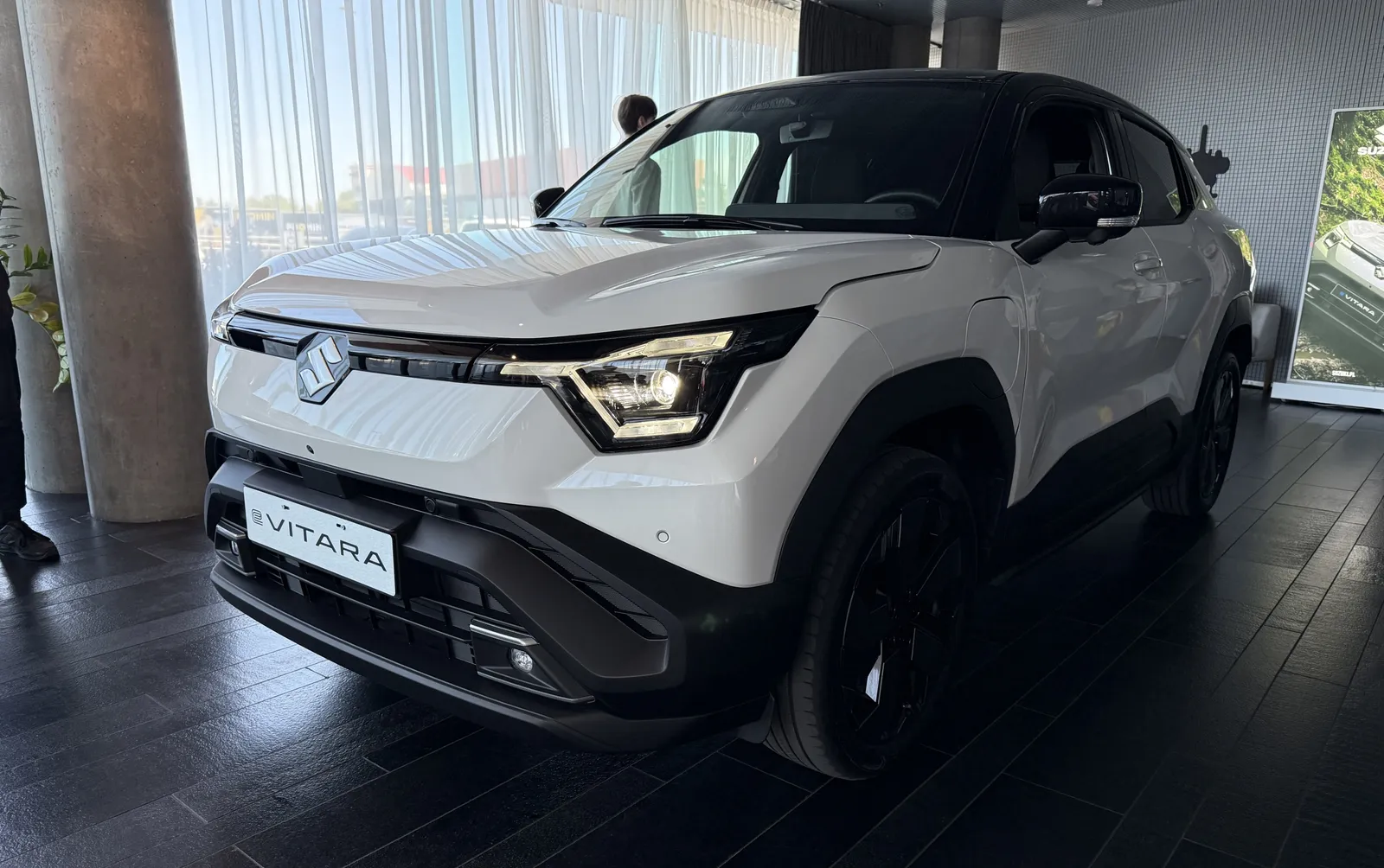
The Suzuki eVitara, an electric vehicle from India, won’t be cheap thanks to locally produced LFP cells. That’s because China has just blocked access to this technology.
It’s possible this is the key to understanding why the VW ID. Polo Trend with LFP batteries won’t be available until 2028 [editorial speculation from Elektrowozu]. PowerCo, a Volkswagen subsidiary that supplies standardized cells for vehicles on the MEB+ platform, apparently assumed it could rely on materials from China. Now it’s clear that won’t be the case...
Article Rating
Reader Ratings
[Total: 3 votes Average: 5]
Don’t miss new content — CLICK and FOLLOW Elektrowoz.pl on Google News. You might also be interested in the following ads: