
In Japan, 81 million for electric ships, low-emission vessels, and charging stations in ports
Japan, like Norway, is accelerating efforts in electric ships and the decarbonization of maritime transport. The government has allocated 81 million euros by 2031 to support the energy transition of the national fleet. The program provides subsidies of up to 50% of the costs for building electric, hydrogen, and ammonia-powered ships. The support reduces to about one-third of the costs for methanol-powered vessels and hybrid configurations.
Strong support for electric ships
The Japanese Ministries of Transport and the Environment have launched a five-year program worth 15.1 billion yen (approximately 81 million euros) to support the adoption of low-emission ships. Fully electric vessels will be eligible for the highest level of funding, with an important addition: land-based charging infrastructure will also be financiable, thereby accelerating the electrification of ports.
The program is open to various low-emission solutions, but gives priority to electric, hydrogen, and ammonia technologies, with support that can cover up to 50% of eligible costs. For ships powered by methanol and various hybrid configurations, the maximum subsidy drops to one-third of the costs.
Japan: Shortage of seafarers leads to autonomous ferries
Japan aims to reduce the environmental impact of maritime transport by addressing both its fleet and onshore infrastructure.
Funding for engines, batteries, and charging stations
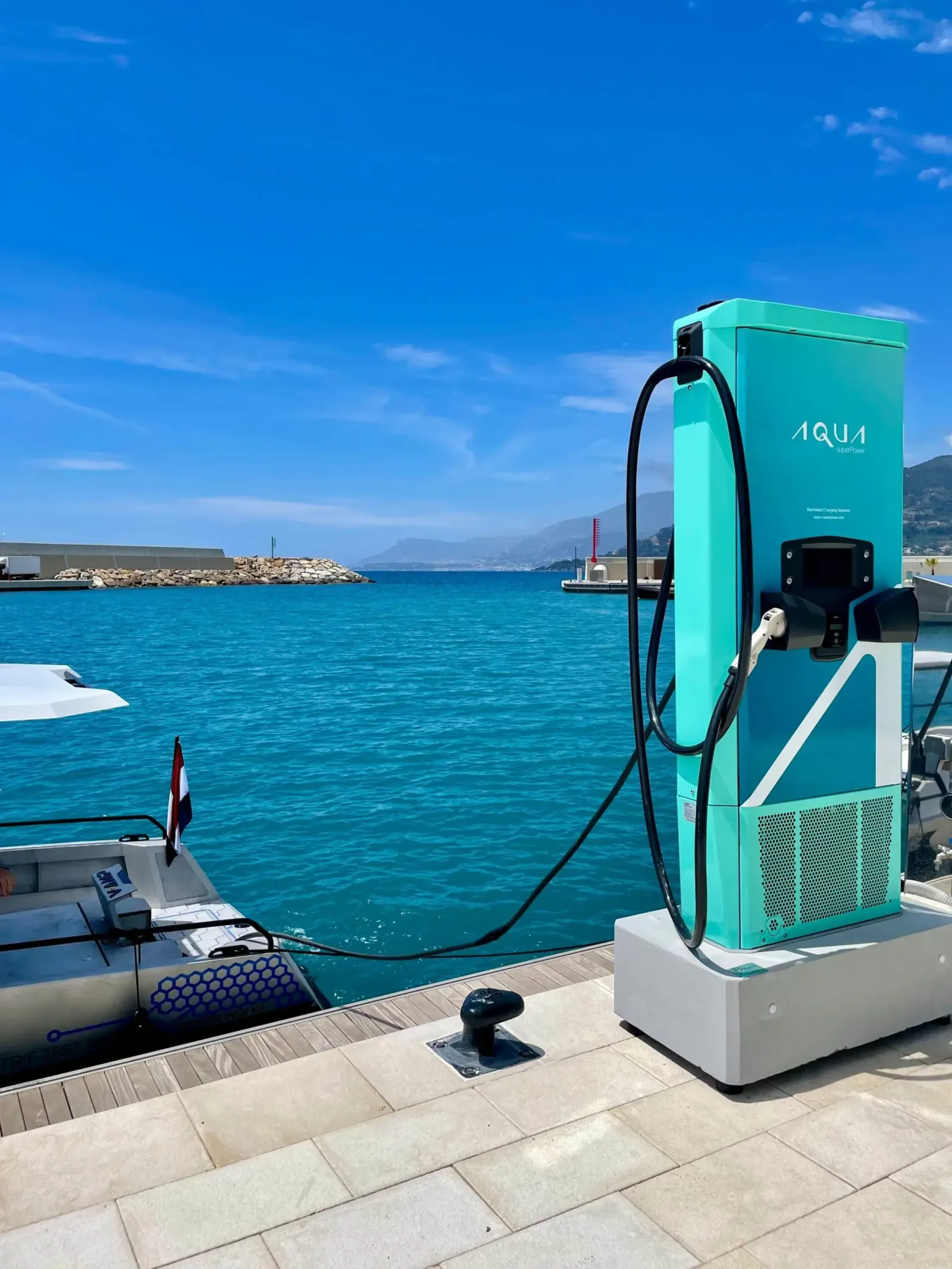
The scope of eligible expenses is particularly broad. For electric boats, engines, batteries, and charging stations are financable, while for other power sources, fuel tanks are also covered by the subsidy. The budget allocated for the first year is around 6.5 million euros, and it will continue until 2031, reaching a total of 81 million euros.
Electric ships enjoy preferential treatment, but with an important limitation: the program funds hydrogen and ammonia only for ships engaged in international traffic. Electric solutions, along with methanol and hybrid systems, are supported exclusively for projects aimed at the domestic market. Therefore, Japan focuses its support for electric propulsion on operations where the technology is already sufficiently mature.
Retrofitting is also included, which refers to the certified conversion of ships to non-fossil fuels through a reconversion plan. Additional incentives are available when the hull is made of low-carbon steel, further strengthening the overall commitment to decarbonizing the maritime sector.
Projects implemented for the electrification of coastal shipping
The incentive program comes at a time when there are already many initiatives focused on electric propulsion. Among these is the e5 consortium project, an alliance of major Japanese companies such as Asahi Tanker, Mitsui O.S.K. Lines, and Mitsubishi, aimed at decarbonizing coastal maritime transport.
Mitsubishi’s electric ships set sail in Japan
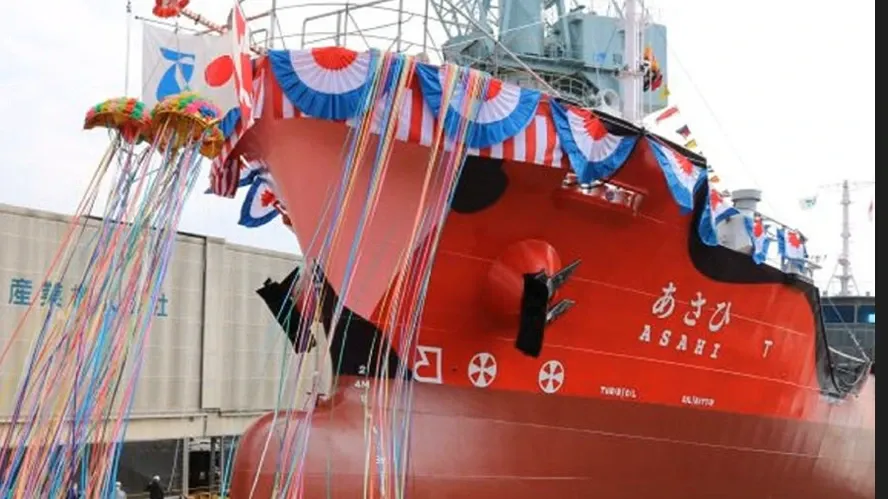
Asahi Tanker has introduced the first fully electric tankers, powered by large lithium-ion batteries. These vessels operate in port areas with high traffic density to eliminate local emissions and reduce noise pollution, providing direct benefits to workers and coastal communities.
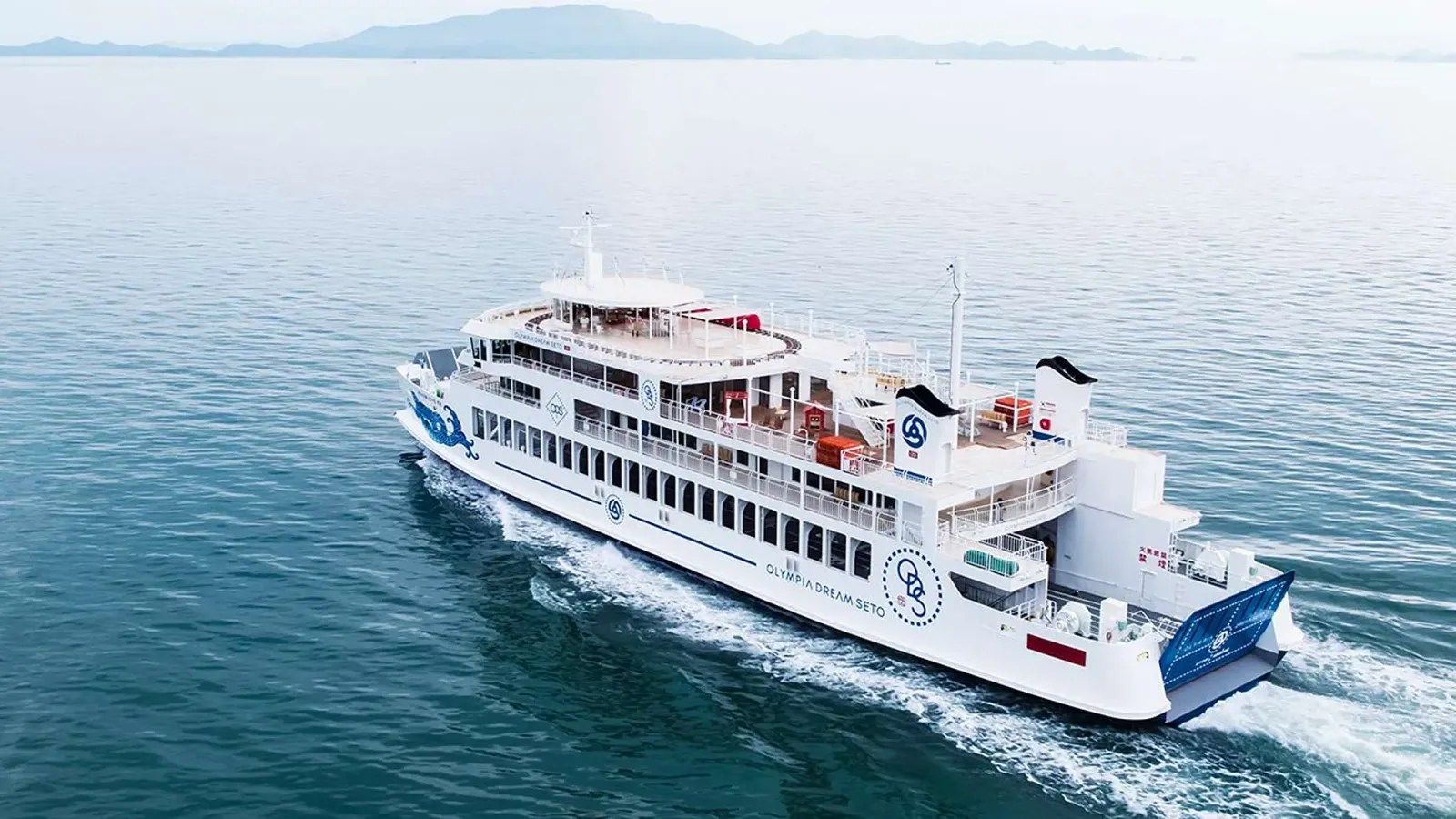
This model fully adheres to the principles of cold ironing: thanks to electric propulsion, in addition to reduced CO₂ emissions, there is also a significant decrease in the most health-harming pollutants, which are particularly problematic in port cities.
READ ALSO: Not all fully electric, but all electrified — and watch the VIDEO
Previous Article
IRON emerges (on foot) from the XPeng factory: not an EV but a humanoid robot
Next Article
The all-new Dacia Spring at 17,900 euros