
In France, food is delivered by electric barges.
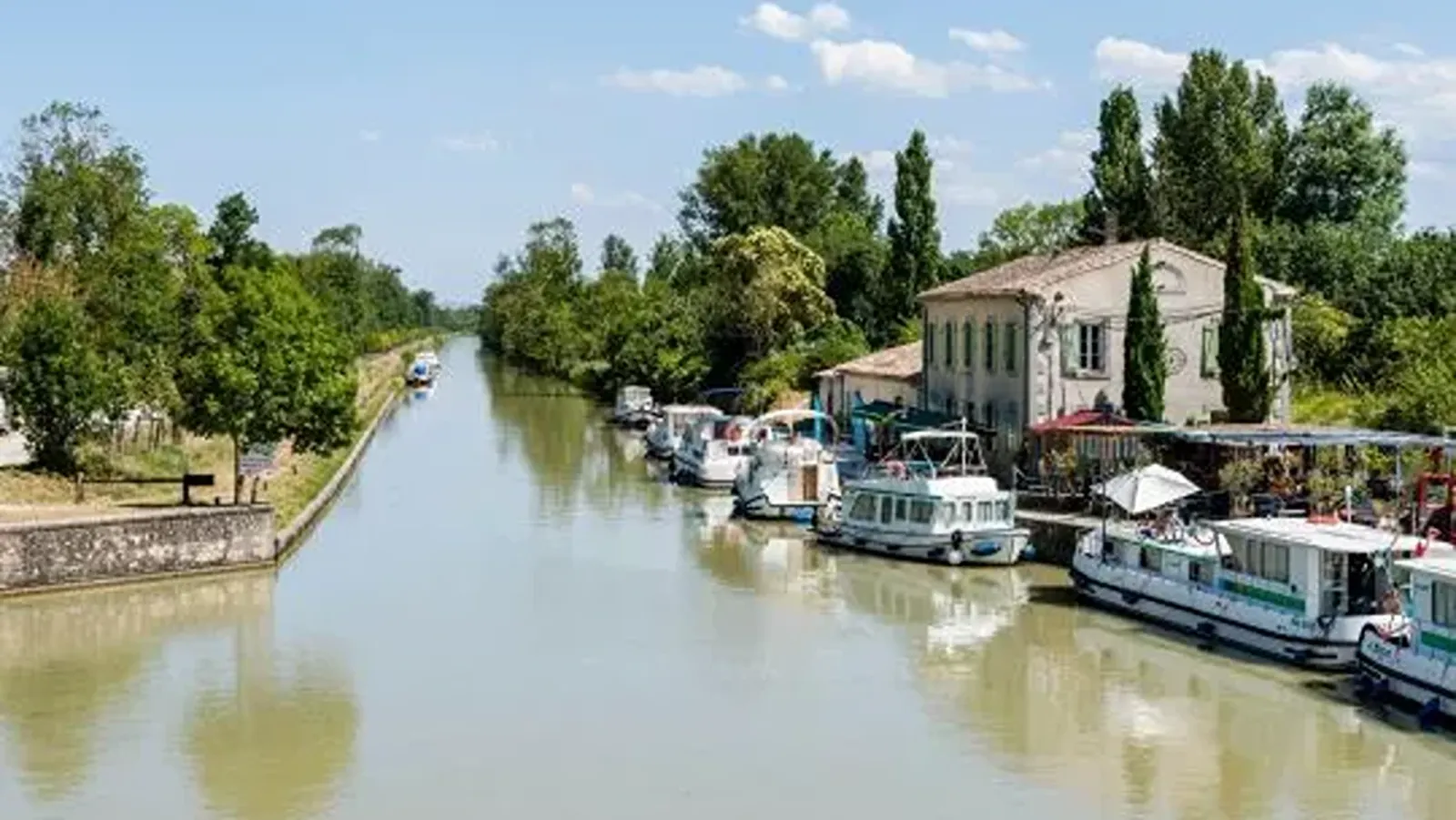
Electric power is injecting new vitality into river logistics. Electric-powered barges have already been adopted by major brands, from Heineken to Nike, but they also prove suitable for local and small-scale distribution. Proof comes from France, where a pilot project, after six months of operation, was analyzed and given full approval. The results are outlined in a document prepared by Weenav, an electric motor manufacturer, and thus may not be entirely neutral. However, the conclusions were validated by River Connect, the company that managed the river transport, which helps enhance its credibility.
Experience in the heart of Toulouse: electric propulsion powered by Engie’s renewable energy
Let’s take a closer look at this project after its first six months of operation. Since the beginning of 2026, a barge converted from an oyster transport vessel has been sailing on the Canal du Midi and the Garonne Canal, in the heart of Toulouse, a city with a population of about 500,000. Its task is to supply shops and restaurants in the city center with food products from the wholesale fruit and vegetable market.
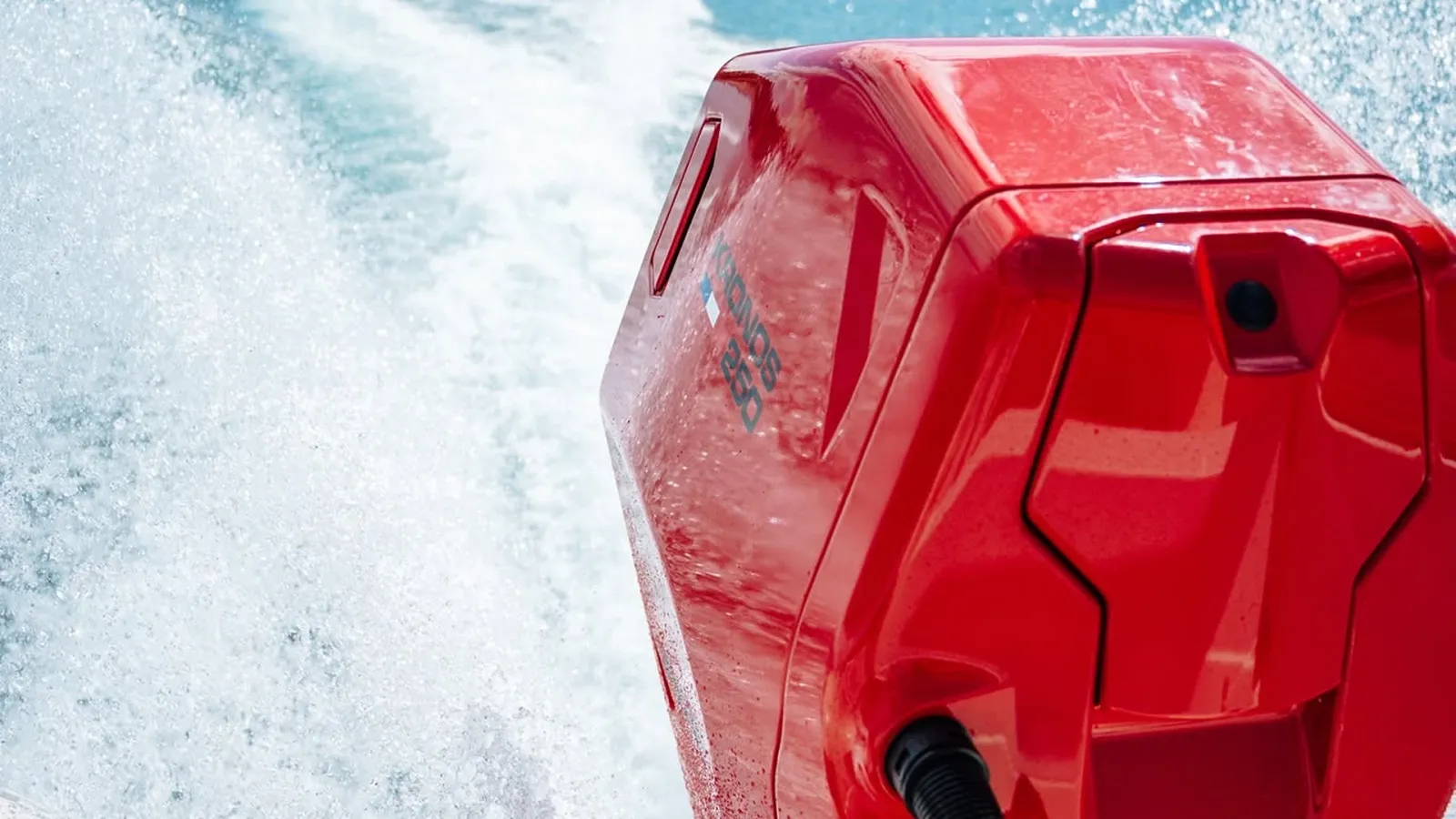
The innovation compared to the past is electric propulsion, powered by the Weenav Kronos 80 outboard motor. Operation is handled by River Connect, a startup specializing in urban river logistics. There is an opportunity to follow existing models in Lyon, Strasbourg, and Paris to strengthen Toulouse’s role in sustainable urban logistics initiatives.
China Zorrilla debuts in South America, the ferry with 40 MWh of battery capacity
On its website, Weenav interviewed Florent Cambournac, founder of River Connect, to explore the reasons behind the choice of zero emissions. Before switching to electric propulsion, the company had already abandoned traditional large river vessels, which it considered “slow to load and complex to maneuver,” opting instead for a fleet of oyster barges appropriately adapted for freight transport.
Electrification represented the next step. This applied not only to the engine and batteries but also to the energy used for charging, which comes from a renewable energy power supply contract with Engie.
Three trips per week and up to 6.3 tons of cargo
River Connect is among the first companies to install an electric motor on an aluminum cargo barge. This was no simple task, as the installation required thorough research — involving naval architecture firm Armor X — to determine the optimal battery placement, motor size, wiring, and fire safety measures. For fire safety, the batteries were installed in a sealed compartment equipped with an automatic Novec-based fire suppression system.
What does that mean? The system automatically detects a fire hazard using sensors or detectors. Without human intervention, it releases Novec fluid into the protected area. The fire is extinguished by absorbing heat and stopping combustion. Unlike water or foam, it does not wet or damage electrical, electronic equipment, or batteries.
River Connect makes three round trips per week, covering 20 kilometers each, carrying up to 6.3 tons of cargo. Currently, the load on board is up to 1.5 tons.
The battery is small, only 66.56 kWh
"The engine works like a classic outboard motor and responds as soon as the control lever is activated. It shuts off at idle: no noise or exhaust, offering a very pleasant driving experience." This is Florent Cambournac’s experience, which confirms that the transition to electric power is smooth. Another advantage is the absence of noise. "It’s not just a matter of comfort. It’s an explicit requirement from Toulouse Métropole in their operational specifications."
Electric boats in the ports of Venice and Trieste, along with more charging stations and vehicles on land
Let’s take a look at the technical specifications. Starting with the battery, which has a capacity of 66.56 kWh, similar to those in mid-power cars, “more than sufficient to cover a round trip of 2 x 10 km without any issues.” For charging, “two parallel 22 kW cables connected to a 380 V outlet allow the battery to reach at least 50% charge in less than an hour and a half, enough time to complete the round trip smoothly.”
After six months of testing, Florent Cambournac considers the electric motor “an essential component to meet customers’ needs. Less maintenance, no oil changes, no refueling or risk of leaks, and no odors.” The next goals are to expand the service to Nantes and Reims.
READ ALSO: Where are we with electric boats? Watch the VIDEO
Previous Article
Stellantis battery thefts worth 500,000 euros: who is behind it?
Next Article
Germany and UK: new sales records