
In Belgium, the postman arrives by electric vehicle, with 42% of the fleet being battery-powered.
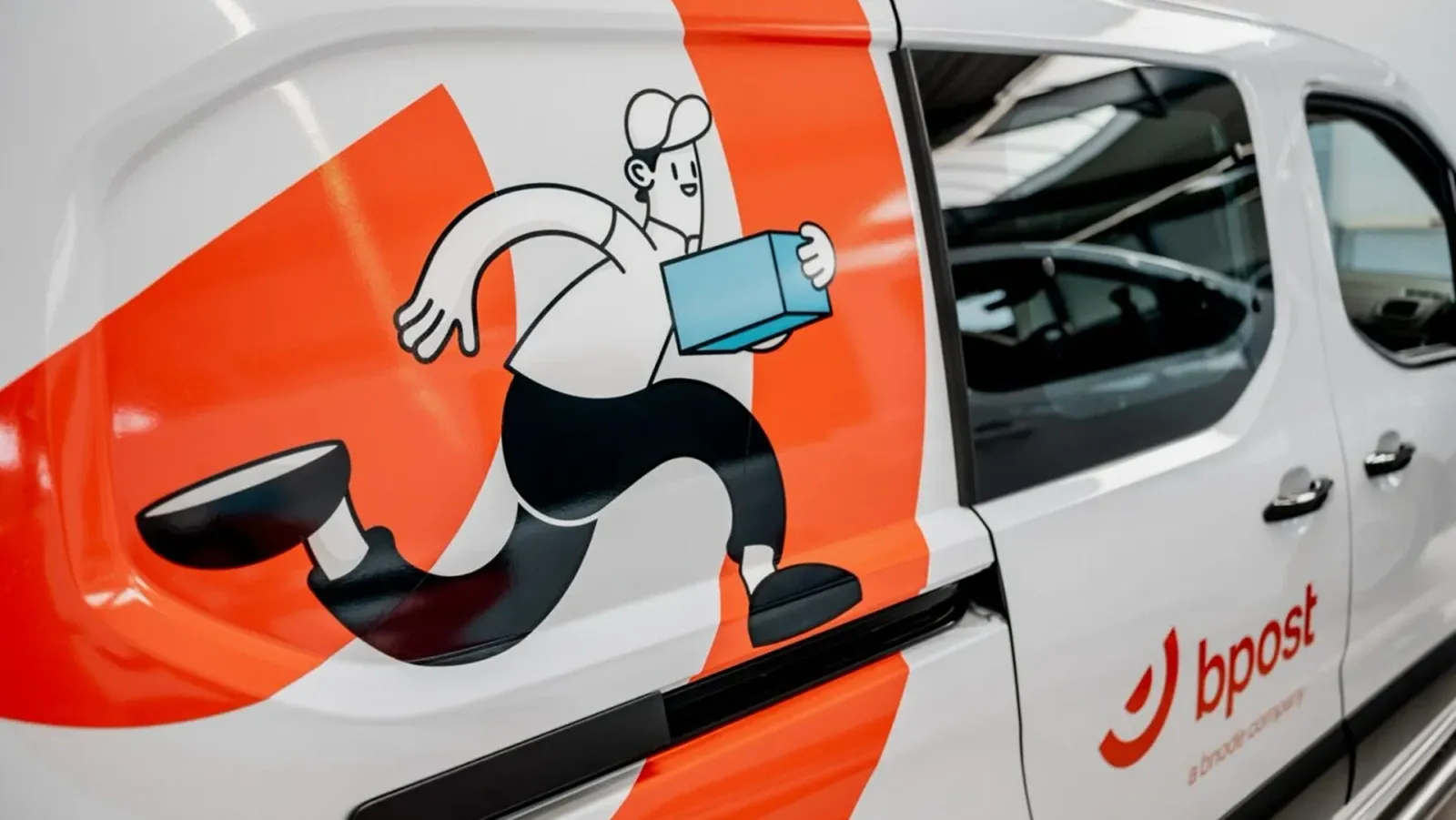
The mail carrier arrives silently without leaving any exhaust fumes behind. In Belgium, the electrification of deliveries is accelerating: Bpost, which operates this service, has deployed 4,165 electric vans, accounting for 42% of its fleet. This outcome confirms that electric mobility for the last mile is now a well-established and rapidly growing reality. The goal is to have 85% of the fleet electric by 2030.
42% of Belgium’s postal fleet is already electric
Bpost, Belgium’s national postal operator, currently has 4,165 electric vans, which make up 42% of its entire fleet used for delivering packages and mail. In 2026 alone, the company ordered 1,100 new electric vehicles, most of which have already been put into service.
The growth of the battery-powered fleet is particularly significant. The current 4,165 electric vans are actually four times more numerous than those in service just three years ago. In 2023, Bpost had around 1,000 electric vehicles; the 2,000 mark was surpassed in the summer of 2024, while the 3,000 mark was reached between summer and autumn 2025.
Irish postal service cuts emissions in half: 50% of fleet is now electric
According to the company, the rate of fleet renewal amounts to about 1,000 new electric vans per year, confirming a particularly rapid electrification process in the last-mile logistics sector.
The main supplier is Stellantis, with 3,300 charging points
In 2026 as well, Bpost continues to accelerate the electrification of its fleet. Of the approximately 1,100 new electric vans ordered this year, 900 have already been put into service, while the remaining 200 are expected to be delivered by the end of the year. Many of these vehicles come from the Stellantis group, and among those already in use are electric models under the Citroën brand. Meanwhile, the company has developed a extensive charging infrastructure, currently comprising around 3,300 charging points located across Belgium.
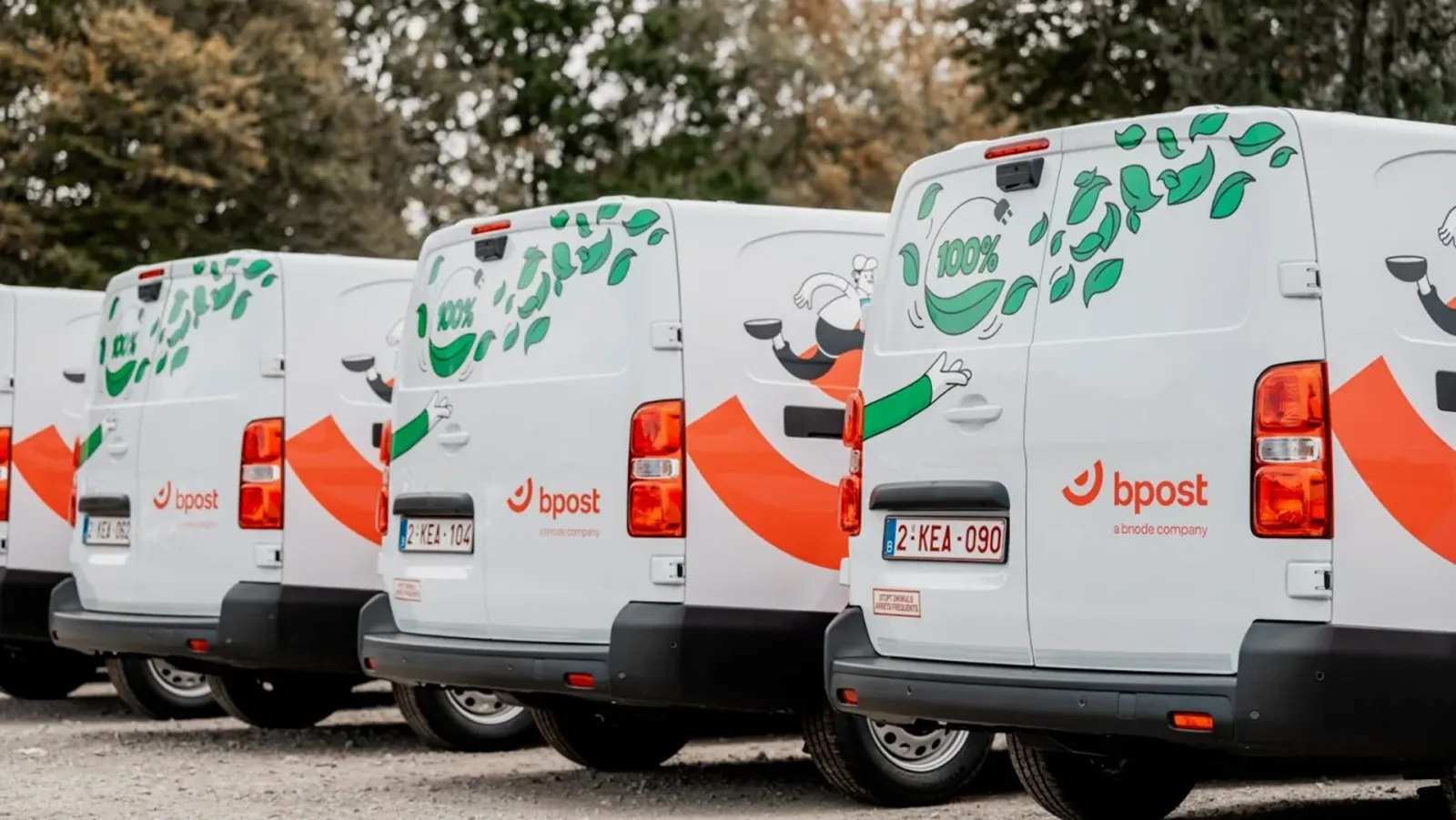
The company notes that over 150 postal codes have already been served through emission-free delivery routes, both for mail distribution and package delivery. This achievement represents an important step toward the goal of achieving 85% zero-emission vehicles used for last-mile delivery by the end of the decade.
Beyond vans: electric trucks are coming
Rik Vandenberghe, National Fleet & Equipment Manager at Bpost, said: “Updating our fleet is part of a broader transformation of our logistics network. In just three years, we’ve gone from around 1,000 to over 4,000 electric trucks. With these vehicles, along with our electric bikes, electric bike trailers, and electric trucks, we are gradually adapting our operations to meet tomorrow’s needs while continuing to ensure reliable service across Belgium.”
Poste Italiane’s Polis Project: 5,000 charging stations in small municipalities.
Here are the numbers: the company’s electrified fleet also includes 3,013 electric bikes, 556 electric bike trailers, and two electric trucks.
READ ALSO: There’s still hope for charging station bonuses — watch the video guide to incentives
Previous Article
Record emissions worldwide (and in Italy). UN warns: toward 2.8 degrees higher
Next Article
KEY 2027: energy transition takes center stage again in Rimini