
They sleep while driving their Tesla: Finally, FSD is worrying U.S. authorities
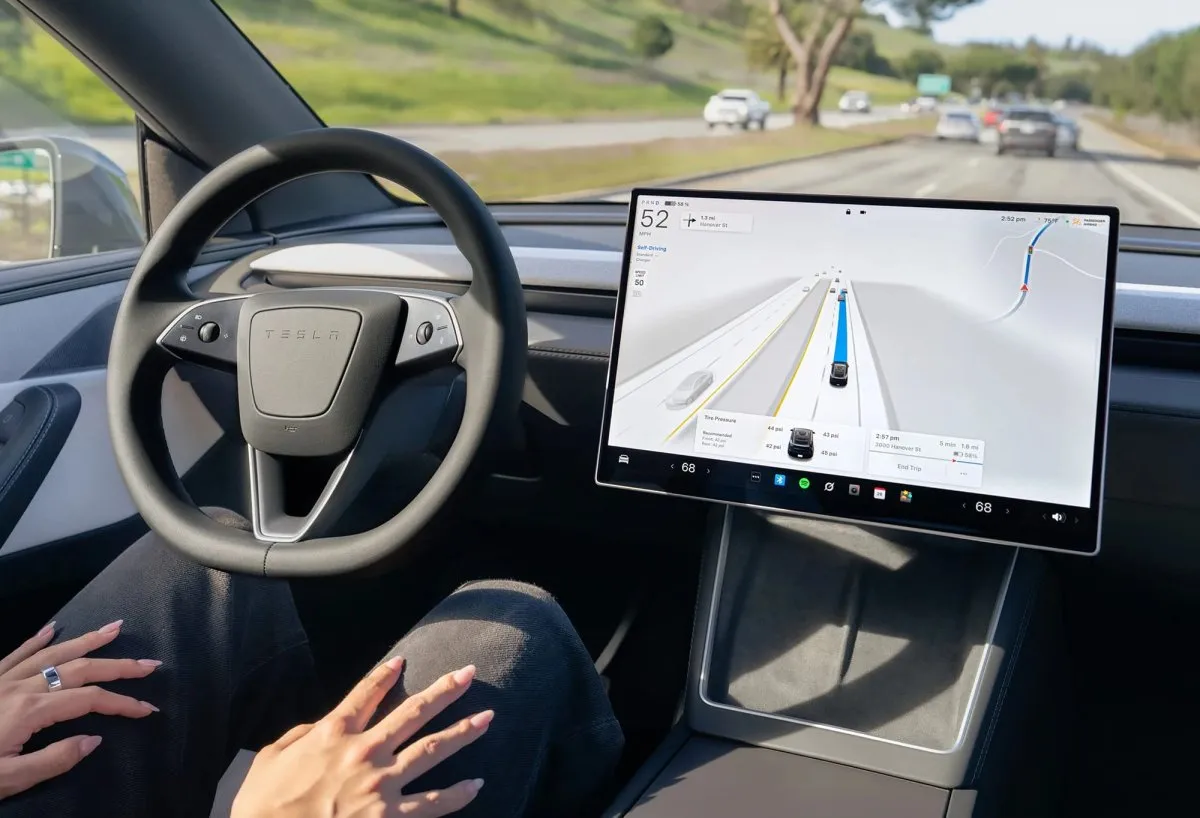
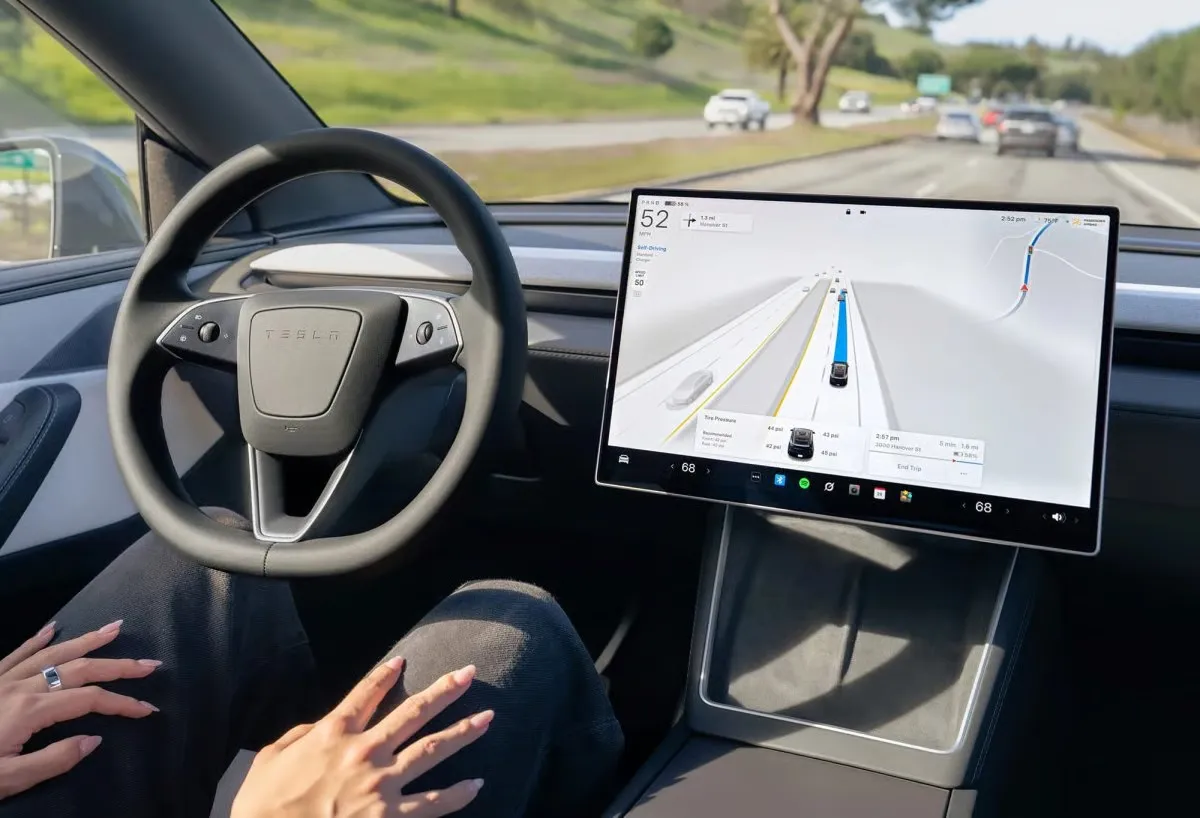
The more capable Tesla’s autonomous driving system becomes, the more drivers seem to forget that they still need to keep an eye on the road... In the United States, at least 43 videos show Tesla owners sleeping behind the wheel with FSD activated. This is such a concerning situation that an American lawmaker is demanding accountability from the authorities.
After leaving doubt about this issue for several years, Tesla now claims that its Full Self-Driving (FSD) system is not a fully autonomous driving system but rather “assisted driving.” In practice, even when it’s activated, the driver remains responsible for the vehicle and must be ready to take control again.
But as the software evolves, some owners seem to increasingly forget this basic rule.
At least 43 videos identified in the USA
In an investigation published at the end of August, NBC News identified at least 43 videos showing Tesla drivers appearing to fall asleep behind the wheel or failing to properly monitor the road while FSD is active. Of these, 17 were posted since the beginning of 2026. The investigation also documented 13 cases of drivers being fined in California for such behavior.
Also read
Did Tesla launch the most significant car in years amid general indifference?
These images have prompted a response from Raja Krishnamoorthi, a Democratic congressman from Illinois. He is asking the U.S. Department of Transportation and NHTSA, the federal agency responsible for road safety, to investigate this phenomenon.
However, Tesla already has several safeguards in place. A camera located inside the cabin analyzes the driver’s head position and gaze, for example. The system can also draw attention when it detects abnormal behavior.
Some users have, however, found ways to bypass these controls. Sunglasses, for instance, can make it harder to monitor eye movement... Other drivers have even gone so far as to place a photo or a fake head in front of the camera.
Is Tesla Doing Enough?
For the U.S. congressman, this goes beyond individual responsibility. He wants to know if Tesla is doing enough to prevent a foreseeable misuse of its system and has asked the NHTSA whether the identified weaknesses could justify corrective actions, or even a recall. A response is requested by September 30, 2026.
Also read
"Even I got caught": An ex-Uber executive’s warning about Tesla’s autonomous driving
This issue comes at a bad time for Tesla. The NHTSA is already examining several million cars equipped with FSD as part of other investigations, particularly regarding its performance under poor visibility conditions. Essentially, these videos illustrate the great paradox of driver assistance: the more convincing it becomes, the greater the risk that humans will trust it beyond what it is actually capable of doing.