
How much is the crisis in the Strait of Hormuz costing us? 10 billion zł already in three months. What about after half a year?
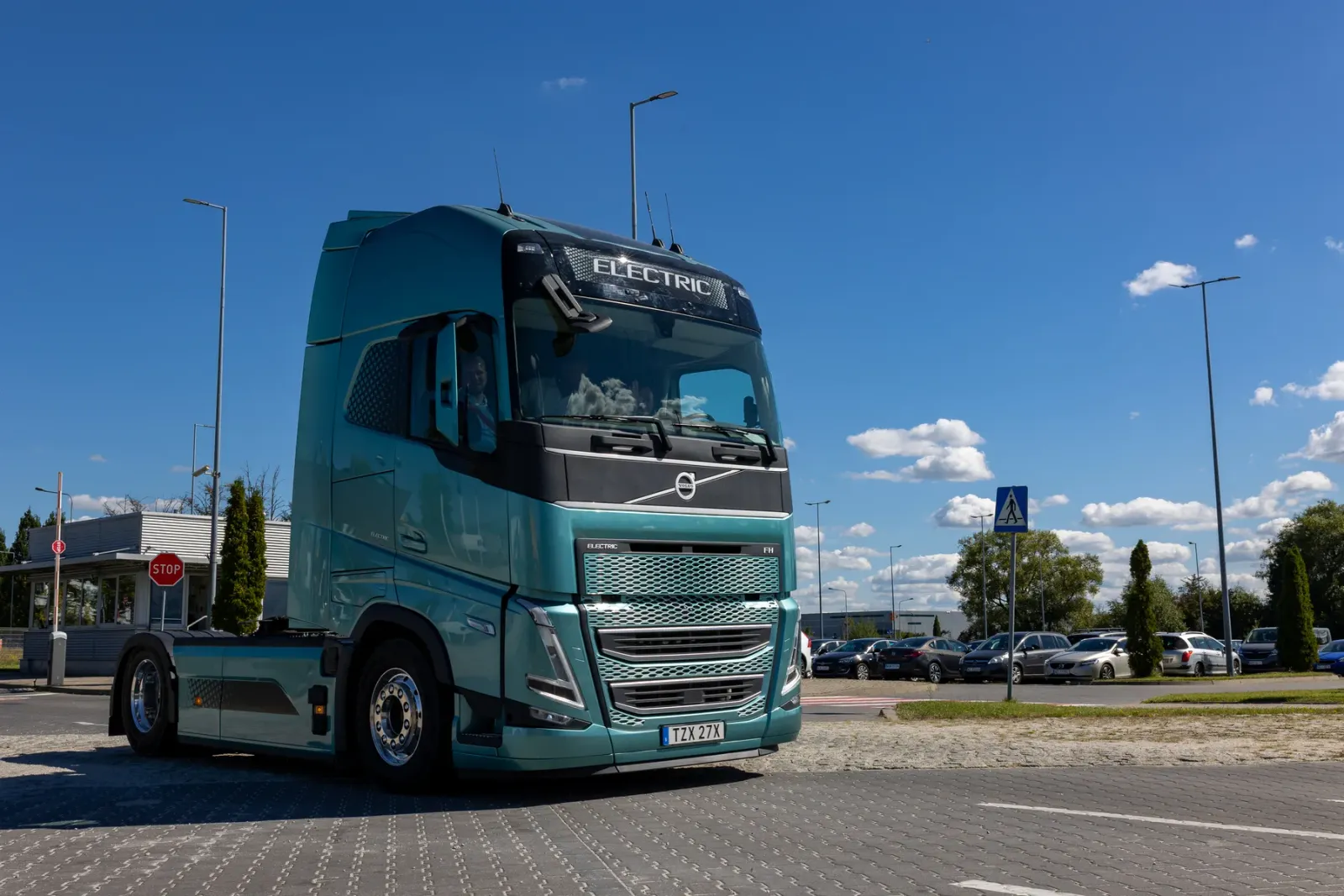
Energy security does not begin at national borders but on global supply routes for raw materials. The crisis in the Middle East reminded us of this, as it raised oil prices above $100 per barrel within weeks and cost Poland’s economy about 10 billion zł in additional fuel expenses in just three months. This is the real price of dependence on fossil fuels, paid by drivers, businesses, and—through higher prices for goods—all consumers. An analysis by Instrat and the Polish Association for New Mobility shows that these costs are even higher after half a year, and the current situation at gas stations may only be the beginning of further problems.
You will learn from this article:
Why the Strait of Hormuz is one of the most important points in global energy
Where the 10 billion zł in additional fuel costs in Poland came from
Why diesel prices rose even five times more than gasoline
How much diesel and gasoline cost today and why records are being set
How much the two CPN packages cost and what they don’t solve
Building resilience: e-CPN, transportation electrification, and public transit
The Strait of Hormuz – the narrow chokepoint for global energy
The Strait of Hormuz has long remained one of the most strategic points on the world’s energy map. Through this narrow passage between Iran and Oman, which is only about 33 km wide at its narrowest point, an average of around 20 million barrels of oil flow daily – equivalent to roughly one-fifth of global consumption and about one-quarter of oil transported by sea. Nearly 20 percent of the world’s liquefied natural gas (LNG) trade also passes through here.
The problem is that there are hardly any real alternatives – only Saudi Arabia and the United Arab Emirates have pipelines that bypass the Strait of Hormuz, and even those have limited capacity. Most of the crude oil flows from here to Asia, but in a globalized market, any threat to this route almost immediately raises prices worldwide – including in Europe and Poland, which import a significant portion of the oil they use.
10 billion zlotys – the cost of the first three months of the crisis
According to an analysis by Instrat, prepared in collaboration with PSNM, from the outbreak of war in Iran to mid-May 2026, Poland incurred approximately 10 billion zlotys in additional costs for purchasing fuels. This is due to rising oil prices, and consequently gasoline and diesel prices, caused by market instability following the start of the conflict.
The effects were not distributed evenly. For car drivers, the price of one liter of gasoline increased by an average of 42 groszy. For companies that buy diesel fuel, the actual cost per liter rose to 1.77 zł.
Diesel and gasoline – why such a big difference
There are several reasons. First, Europe remains a net importer of diesel fuel, so it reacted more strongly to the crisis than gasoline. Second, businesses can deduct VAT, so a reduction in its rate did not lower their actual fuel costs as much as it did for individual drivers. As a result, companies using diesel felt the price increase even five times more sharply than private gasoline users.
Transport and logistics – the sector hit hardest
The crisis hit transportation and logistics the hardest — industries particularly sensitive to fluctuations in fuel prices. Of the 5.5 billion zł in additional costs incurred between March 31 and May 15, 4.5 billion zł fell on businesses, while nearly 3.9 billion zł affected companies that use diesel fuel.
Rising fuel prices don’t stop at gas stations. Higher transportation costs quickly spread throughout the economy, increasing production and logistics expenses, which ultimately affect the prices of goods and services we pay as consumers.
September 2026 – Record prices at gas stations after protection measures ended
The best proof that temporary measures don’t solve the problem is September 2026. The holiday rate for the CPN package expired on August 31, and starting September 1, the standard 23% VAT rate was reinstated for fuels. The effect was immediate: according to e-petrol.pl’s data, the average price of Pb95 gasoline rose from 6.57 to 7.63 zł/l within a few days, while diesel prices increased from 7.51 to 8.39 zł/l.
That wasn’t the end of it. As of September 9, diesel prices rose to an average of 8.75 zł/l—the highest level ever recorded by e-petrol.pl—while Pb95 gasoline prices reached 7.89 zł/l. Diesel is now significantly more expensive than gasoline, and at some stations, especially in Mazovia, it approaches 8.80 zł/l. On an annual basis, this represents a huge change: diesel prices increased by over 42%, while gasoline prices rose by nearly 32% compared to September 2025.
The forecasts are not optimistic. Analysts at e-petrol.pl expect diesel prices to reach as high as 9.07 PLN per liter during the week of September 14-20, breaking through the psychological barrier of 9 PLN, amid further increases in gasoline and LPG prices. Experts at the fuel agency Reflex warn that if high wholesale prices persist, new record highs will be set at gas stations. Underlying these issues are still high oil prices — Brent crude remains around or above $100 per barrel — along with no prospects for a quick resolution to tensions in the Middle East.
CPN Package – Short-term relief at the expense of the budget
In response to the price surge, the government implemented not one but two CPN packages, reducing VAT on fuels from 23% to 8% and lowering excise duties. As a result, the price increase for drivers was milder than what would have resulted solely from oil market conditions. Instrat estimates the cost of this intervention for the state budget at 2–2.5 billion zł in the first round and around 900 million zł in the second, depending on the methodology used to calculate the lost tax revenue.
The measure provided short-term relief but comes at a cost and, more importantly, does not address the root of the problem. Poland imports almost all of its oil from abroad, which means that fuel prices at domestic stations are largely determined by events thousands of kilometers away over which we have no control.
Resilience – Security That Begins at Home
The most important conclusion of the report goes far beyond just the fuel market. Tax cuts can temporarily mitigate the effects of price increases, but they will not change Poland’s dependence on imported oil nor enhance the economy’s resilience to further geopolitical crises.
Therefore, Instrat and PSNM argue that in addition to protective measures, what is needed above all are investments that strengthen the system’s resilience: developing charging infrastructure and introducing so-called e-CPN, which means a lower VAT rate on energy used for charging electric vehicles; accelerating the electrification of transportation—both private and heavy-duty; as well as increasing investment in public transport, which remains one of the most resilient and efficient forms of mobility.
The logic is simple: electricity for charging cars can be generated domestically—from own sources, increasingly renewable—while we cannot extract oil. The greater the share of transportation that uses electric power, the less vulnerable the entire economy becomes to oil price shocks, and fuel costs become more predictable for drivers and businesses.
New Mobility Congress 2026 – A Discussion on a Resilient System
Experts, government officials, local authorities, and business representatives will discuss how to translate these insights into concrete actions during the New Mobility Congress 2026 (September 23-25, Katowice). The discussion will focus not only on the costs of the recent fuel crisis but primarily on how to build a resilient energy and transportation system — from electric mobility and charging infrastructure, through energy storage and energy mix considerations, to solutions that reduce the risk of further crises and blackouts.
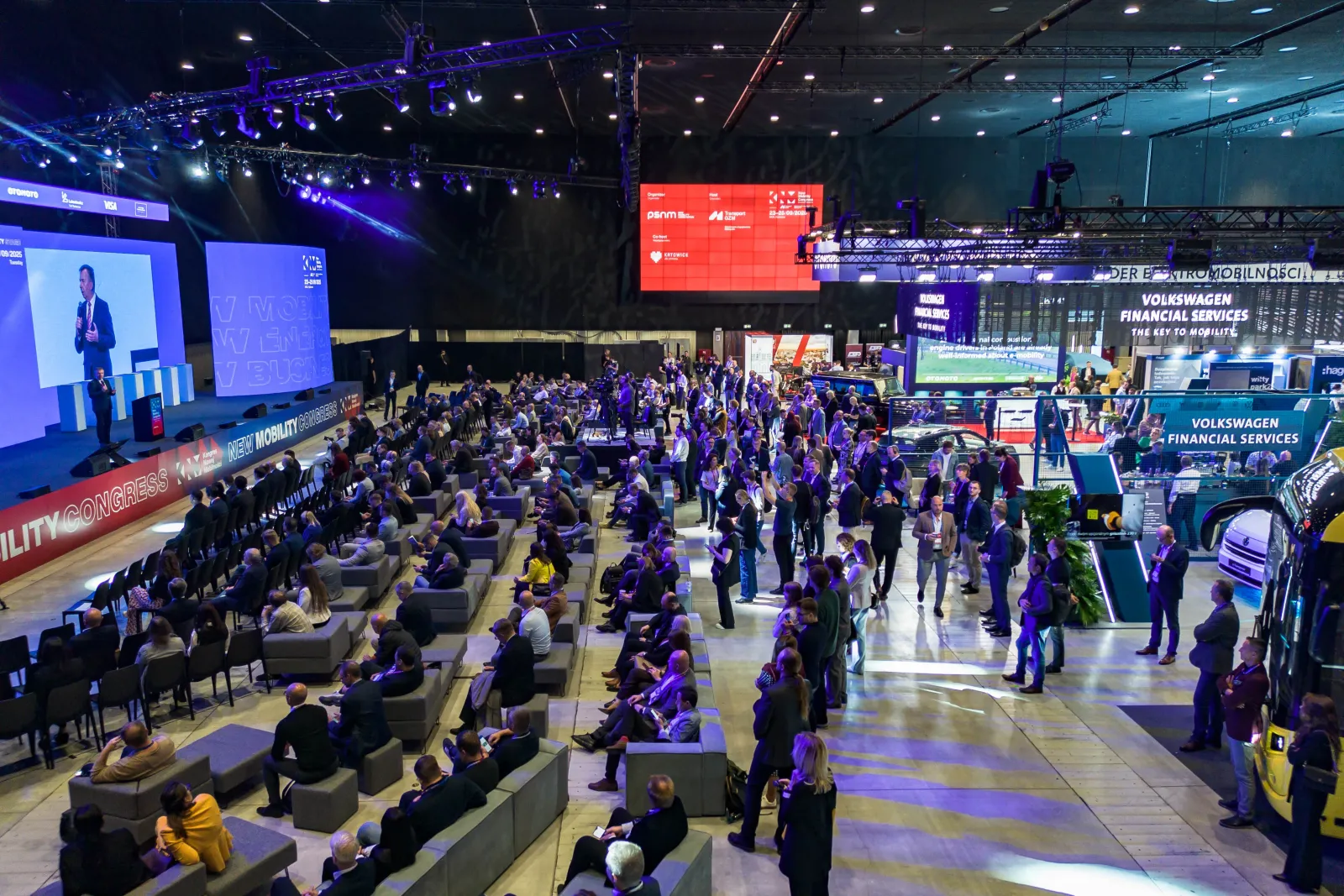
The program included panels focusing directly on energy security. The session “Energy for transformation: The foundation of Poland’s economic development and security” links energy to the country’s competitiveness and safety, while the panel “The wave of electrification: Will new capacity, grids, and financing keep up with demand?” will address whether the expansion of energy grids, sources, and storage can meet rising needs. The resilience of heavy transport—sector most affected by diesel price spikes—will be discussed in the talk “From financial ambitions to market readiness: 6 billion zlotys, yet zero-emission heavy transport remains stagnant.”
A dedicated track on New Security & Resilience – featuring the launch of a cybersecurity report on new mobility and a discussion titled “A Resilient or Vulnerable City? Infrastructure in the Face of Threats” – will explore how to protect critical energy and transportation infrastructure. Free registration is now open: https://kongresnowejmobilnosci.pl/bilety-darmowe/
The portal elektromobilni.pl is the media sponsor of the 2026 New Mobility Congress.