
The new hidden market for used EV batteries is already worth billions
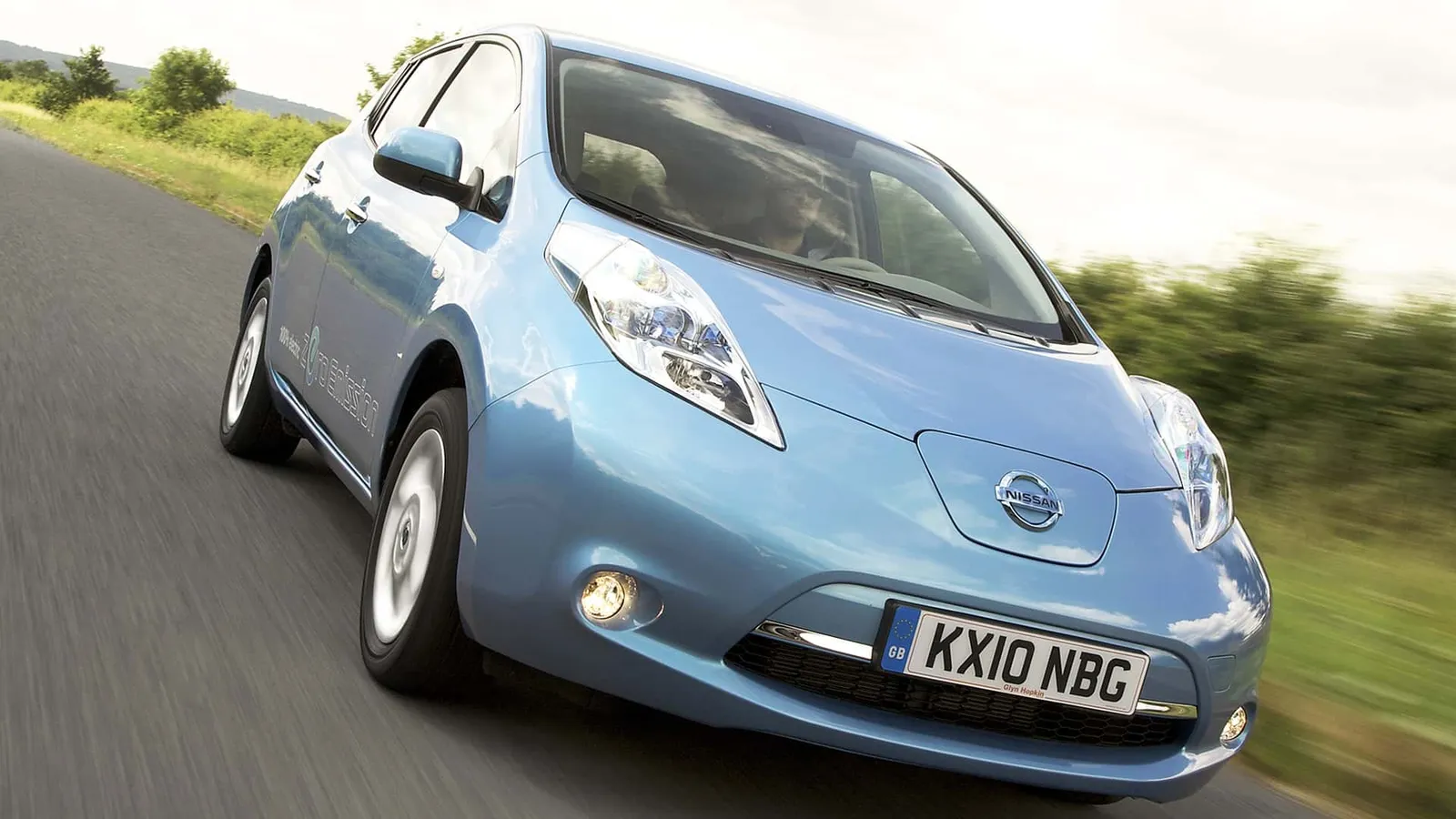
The first Nissan Leafs sold in Europe are over a decade old today. Their batteries are nearing the end of their useful life, giving rise to a used market that did not exist before.
Circunomics’ CEO, Felix Wagner, puts it bluntly: the aftermarket for electric vehicle batteries “is finally emerging.” This German company based in Mainz acts as an intermediary between manufacturers and those looking for second-hand batteries, and it already works with groups such as Stellantis and Audi.
The first EV batteries are reaching the end of their life
The owners of the first mass-produced electric cars, such as the first-generation Renault Zoe and Nissan Leaf, are either retiring their vehicles or facing the expiration of their battery warranties. Wagner notes that the used car market for these vehicles is extremely varied: one shop may disassemble a Tesla in the morning, a Renault in the afternoon, and perhaps another brand the next day.
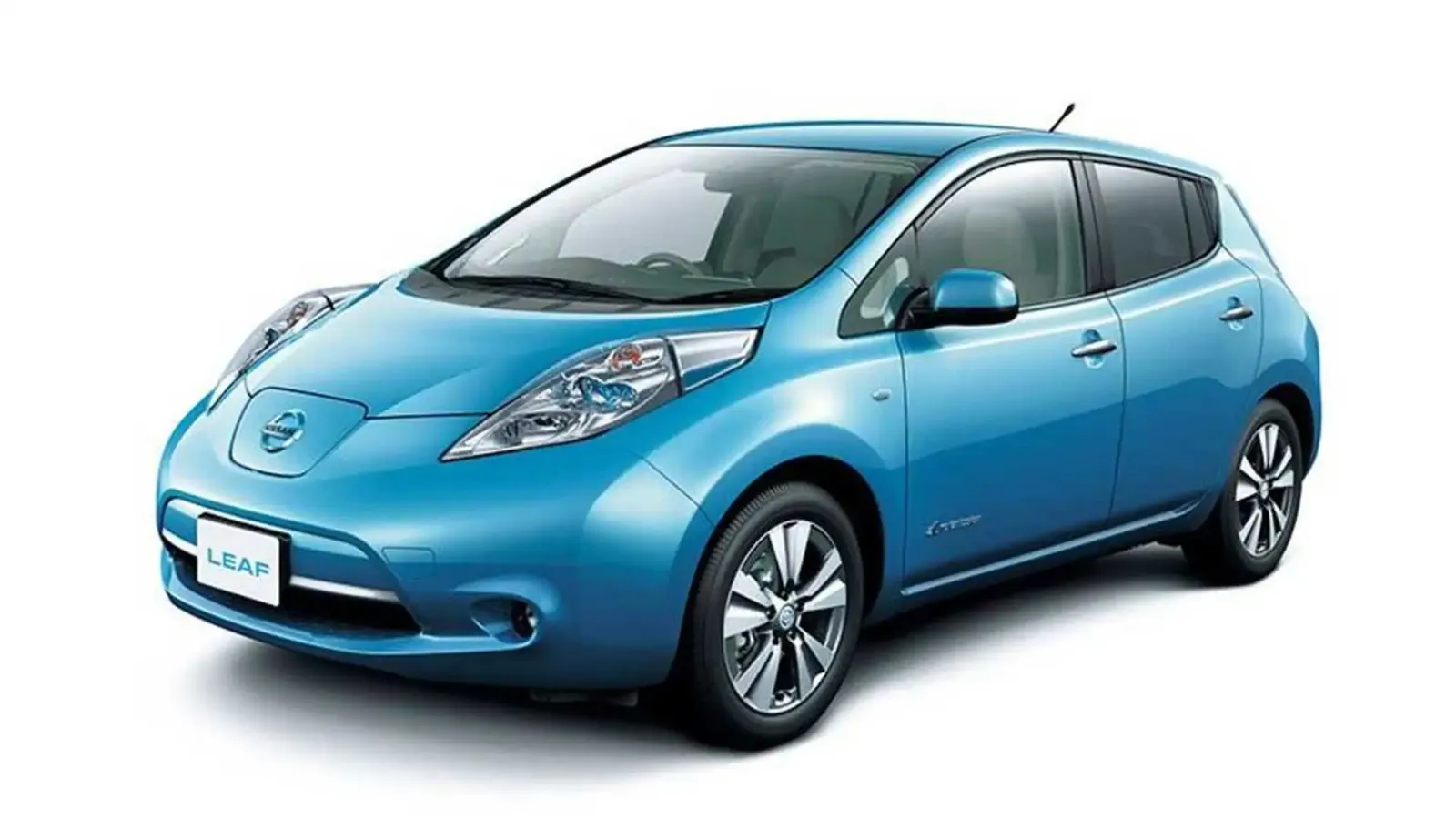
Nissan Leaf (2010)
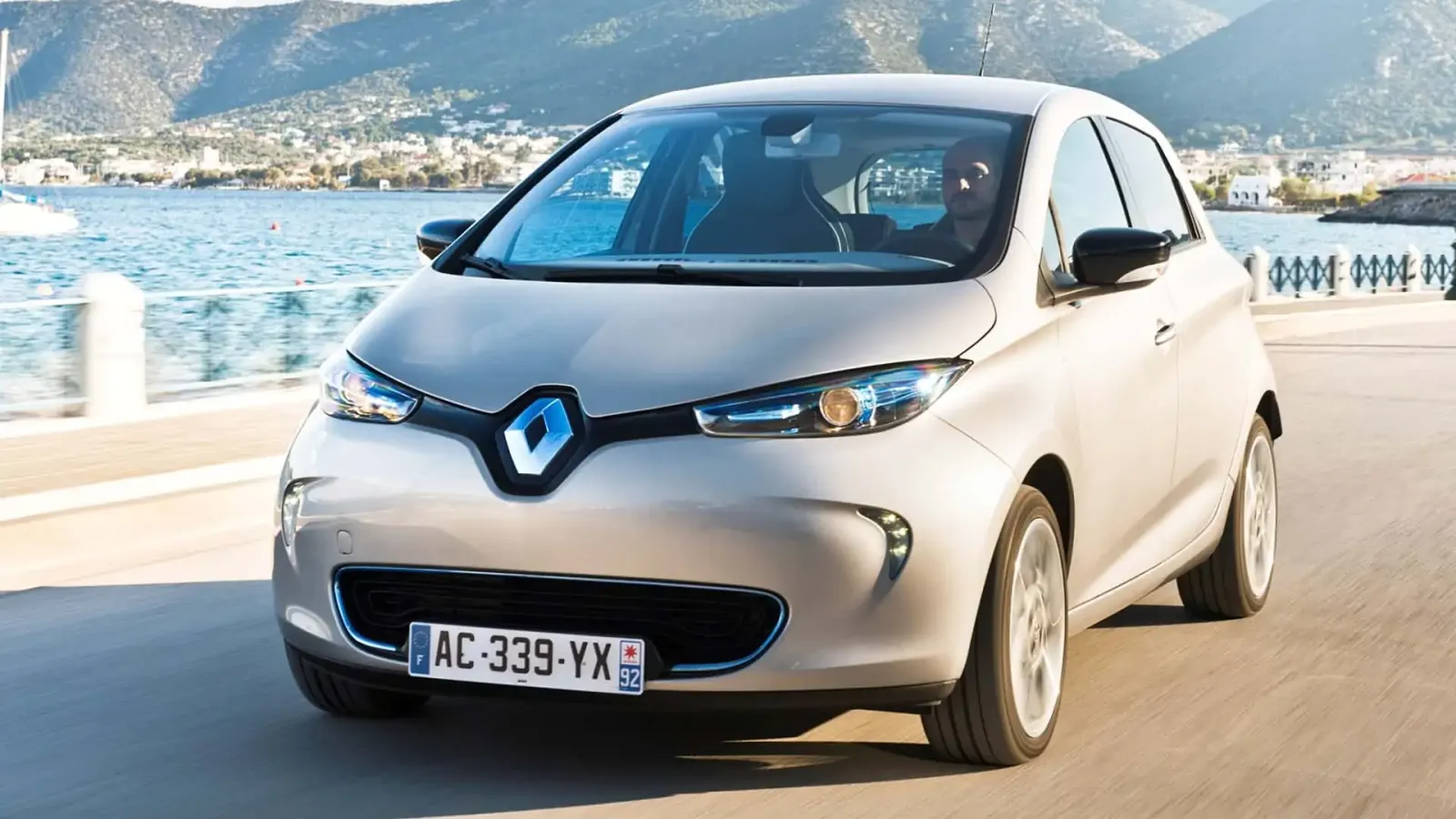
Renault Zoe (2012)
This variety rules out many batteries from large-scale stationary storage, which requires uniform and consistent supplies. An energy storage system supplier needs dozens or hundreds of megawatt-hours per year of the same type of module, ideally with the same quality. This volume cannot be guaranteed by the independent market, which consists of various different packages.
A market worth over 100 billion dollars by 2035
According to a study by Axa Novi and Wolk & Nikolic After Sales Intelligence, the global electric vehicle aftermarket could exceed 100 billion dollars, reaching nearly 216 billion dollars, by the mid-2030s. Batteries remain the largest segment and the one growing fastest.
Wagner estimates that the independent aftermarket for batteries could account for 10 to 20% of the total market within five years, as the first electric vehicles phase out. He also said that Circunomics can help the world’s top ten automakers generate an additional 1 billion euros in revenue by 2030 through the sale of batteries for secondary use.
Second-life use in cars, storage, or recycling: three possible paths
A battery removed from an electric vehicle doesn’t have just one destination. Wagner identifies three pathways: being reused in another vehicle, becoming part of a stationary energy storage system, or ending up in recycling when other options are not feasible.
Between 50% and 60% of batteries still suitable for reuse end up in stationary storage, according to Wagner. About 30% go directly to recycling, while the rest are reused in other vehicles. A document by the European Commission prepared by the Joint Research Centre indicates that second-life batteries remain at a disadvantage compared to new ones due to degradation and outdated technology. Regulation (EU) 2023/1542 also prohibits circumventing minimum requirements by simply labeling a traction battery as “second-life.”
Those who disassemble and inspect these battery packs work with a material that is more delicate than a simple replacement part. Proper disposal of electric vehicle batteries remains crucial even when the battery pack finds a second life instead of being recycled immediately.
Too many batteries in storage, prices falling
Many manufacturers have purchased more batteries than they need, and now they have new packs sitting idle in warehouses. Wagner says, “Batteries degrade over time, whether they’re used or not, so across the industry we’re talking about costs in the hundreds of millions of euros.”
Supply generally exceeds demand, and this situation won’t change soon. Chinese producers are expanding production capacity faster than demand is growing. This factor is also reflected in battery cell prices, which have been dropping significantly year after year per kilowatt hour. An in-depth look at lithium battery regeneration compared to recycling shows how this imbalance between supply and demand is already pushing manufacturers to seek alternative ways to dispose of excess stock.
Speaking of EV battery recycling