
The brake on corporate electric fleets? Taxation
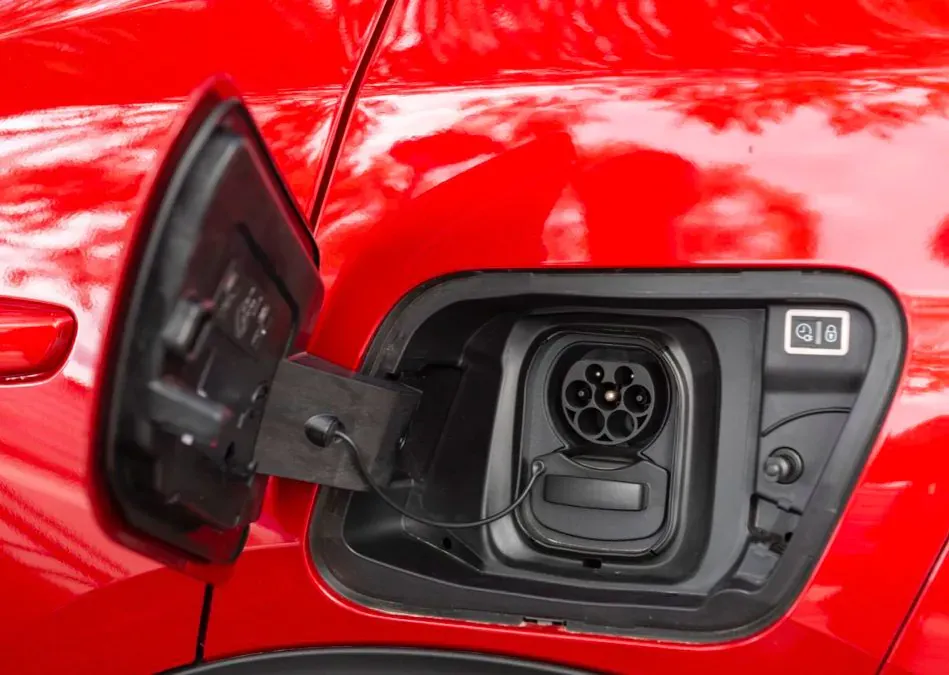
The obstacle to corporate electric fleets? Taxation. It seems paradoxical in a country that has introduced multiple rounds of incentives for EVs. Yet...
The hurdle for fleets? The charge at home

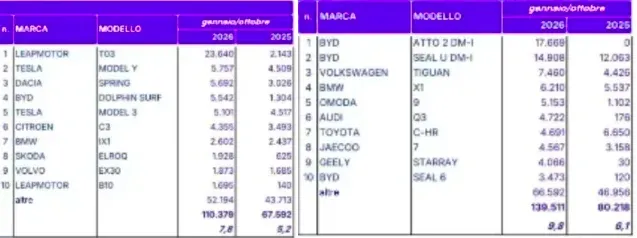
Italy, among the major European countries, remains the only one where more plug-in hybrid cars are sold than electric cars. In the first 10 months of this year, there were 139,611 registrations of plug-in hybrids compared to 110,379 for electric cars. Corporate fleets are not counted in the electric car figures, yet they support purchases of plug-in hybrids. Where does this disparity come from? It stems from what might seem like a minor detail but actually influences the choices of many companies: the double taxation on home charging. Employers’ reimbursements to employees for vehicles provided for mixed use are considered taxable income from employment. This was established by the Tax Agency in response number 421 dated August 25, 2023, in response to a company that provided electric cars to its employees for mixed use. And this undermines one of the major advantages of electric cars: charging at home, perhaps at night, at very affordable prices.
As a result, sales of plug-in cars are soaring, along with charging services...
A requirement that does not affect sales of plug-in cars. Numerous investigations show that the use of these electric vehicles, provided by companies to their employees, is minimal, if not non-existent. Users continue to drive on gasoline. But they do so by taking advantage of tax discounts related to the review of fringe benefits, as these cars are still considered “environmental.” This situation has been reported on multiple occasions. Meanwhile, the automakers themselves, through Unrae leader Roberto Pietrantonio, call for “making the transition affordable. The surge in plug-in hybrids clearly shows that when there is tangible affordability, customers respond. On the contrary, with pure electric vehicles accounting for only 6 to 7%, Italy’s transition remains stalled. Believing that zero-emission technologies can take off on their own, without supportive measures, is a fantasy.” Pietranonio is considering new incentives. But eliminating that double taxation alone would be enough to unlock a crucial market like fleets, even in the electric sector.
Is your fleet electric? How are you managing charging? Write to info@vaielettrico.it
How long does an electric vehicle last? The story of Angelo’s MiEV / VIDEO
Previous Article
Auto 2035: The European Parliament further relaxes CO2 standards. Motus-E protests
Next Article
EICMA 2026: TVS prepares an offensive with three new e-scooters