
The ID. Tiguan follows the ID.4 and ID.5: Volkswagen goes for a proven success formula
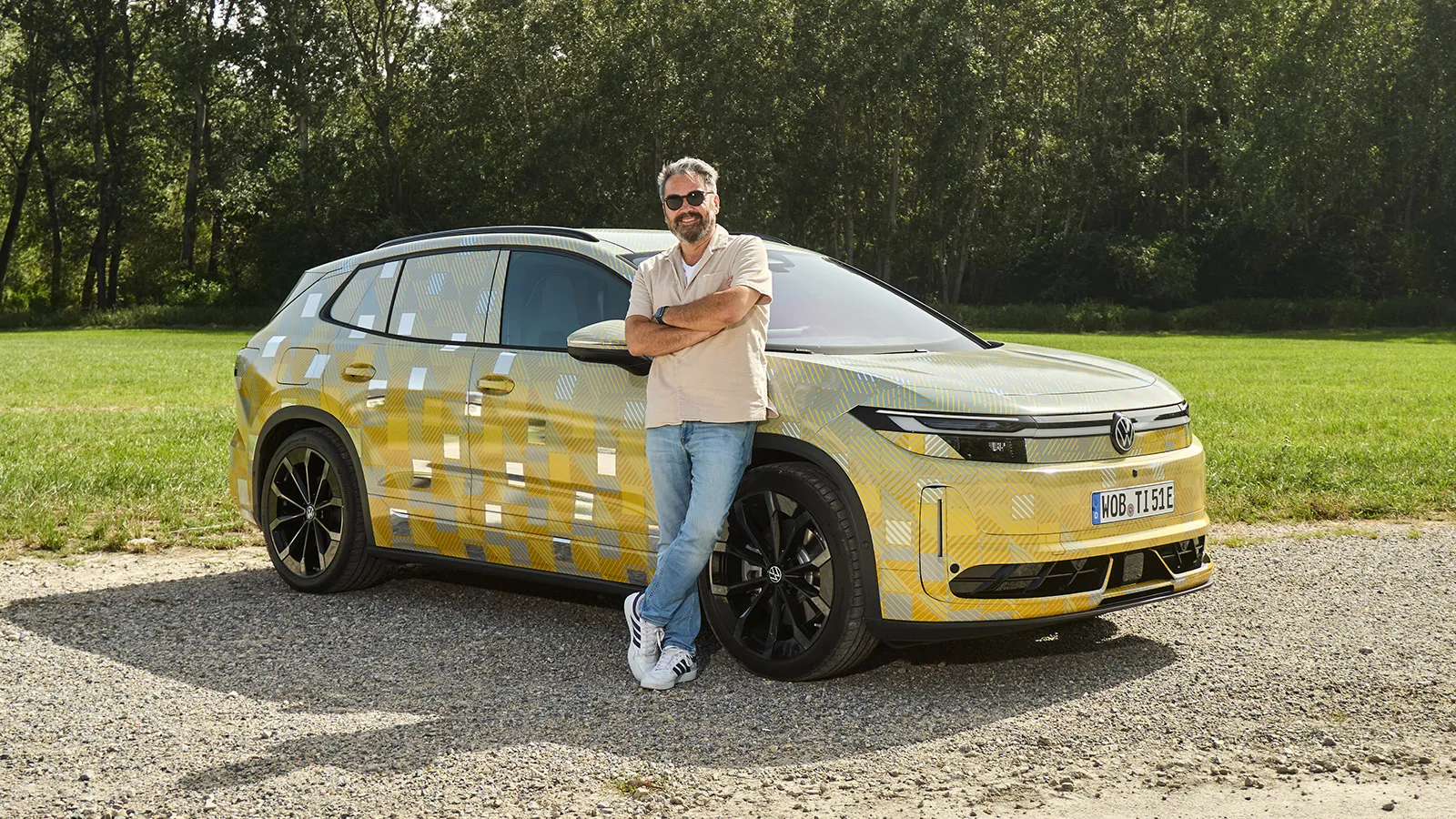
The Volkswagen ID. Tiguan follows the ID.4 and ID.5. It’s a familiar name for a completely new electric SUV. We were in Austria at the unveiling and got to drive the still camouflaged car for a few hours. We’ll save our driving experiences for now.
From ID.4 and ID.5 to ID. Tiguan
Volkswagen is increasingly moving away from the numerical strategy that launched its electric ID. era. The successor to the ID.4 and ID.5 won’t have a new number but rather a name that almost everyone knows: ID. Tiguan. With this, Volkswagen continues a trend already seen with the ID. Polo.
When Volkswagen launched the ID.3 in 2019, the distinct naming convention was meant to signal the arrival of a completely new generation of electric cars. The ID.4, ID.5, and ID.7 followed later. Now, the brand thinks differently. A well-known name with decades of history turns out to be far more valuable than a new number that needs to be explained to the public.
Volkswagen officially announced earlier that familiar model names would now be used for electric ID.-models as well. The ID. Polo was the first to adopt this approach. Under the old logic, it would likely have been called ID.2, but Volkswagen decided to bring the much more recognizable Polo name into the electric era. Volkswagen has since confirmed that more well-known names will follow. We’ll have to wait and see when the ID. Kever appears.
Never change a winning horse?
Volkswagen’s choice of the name Tiguan is by no means accidental. Since its launch in 2007, over nine million Tiguans have been sold worldwide. Additionally, according to Volkswagen, the Tiguan has consistently been the best-selling model within the Volkswagen Group since 2017.
Historically, models like the Golf and Polo have been sold far more frequently, but nine million units in less than twenty years clearly shows the value the Tiguan name now represents. Volkswagen reported earlier this year that this nine-million-unit mark was surpassed by the end of May 2026.
The regular Tiguan won’t disappear just because the electric version arrives. The current Tiguan will continue to be available with gasoline, diesel, and hybrid powertrains. The ID. Tiguan will serve as its fully electric counterpart. This makes the new strategy much more understandable. A Tiguan remains a Tiguan, but the ID. prefix makes it clear that it has a fully electric powertrain. This way, Volkswagen doesn’t need to explain again where the ID.4 or ID.5 fit within the lineup.
From ID. Polo to likely an ID. Up!
The ID. Tiguan is not the only model in this category. The ID. Polo represents the first concrete implementation of this new naming strategy, and Volkswagen has already indicated that more well-known names will follow. This approach seems to be continued even at the bottom of the electric lineup. The production version of the small ID. EVERY1 will most likely be called the ID. Up! Volkswagen has not yet confirmed this name definitively, but everything suggests that a familiar model name will return here as well.
This means the future electric Volkswagen lineup will look very different from what was thought just a few years ago. Instead of an ever-expanding series of ID.3, ID.4, ID.5, and ID.7 models, we’ll see vehicles with names like ID. Polo, ID. Tiguan, and likely ID. Up!. It’s more than just a different name on the trunk lid. Volkswagen is also trying to make the electric models more closely aligned in character and appearance with cars that customers are already familiar with.
A lot more SUV than the ID.4 and ID.5
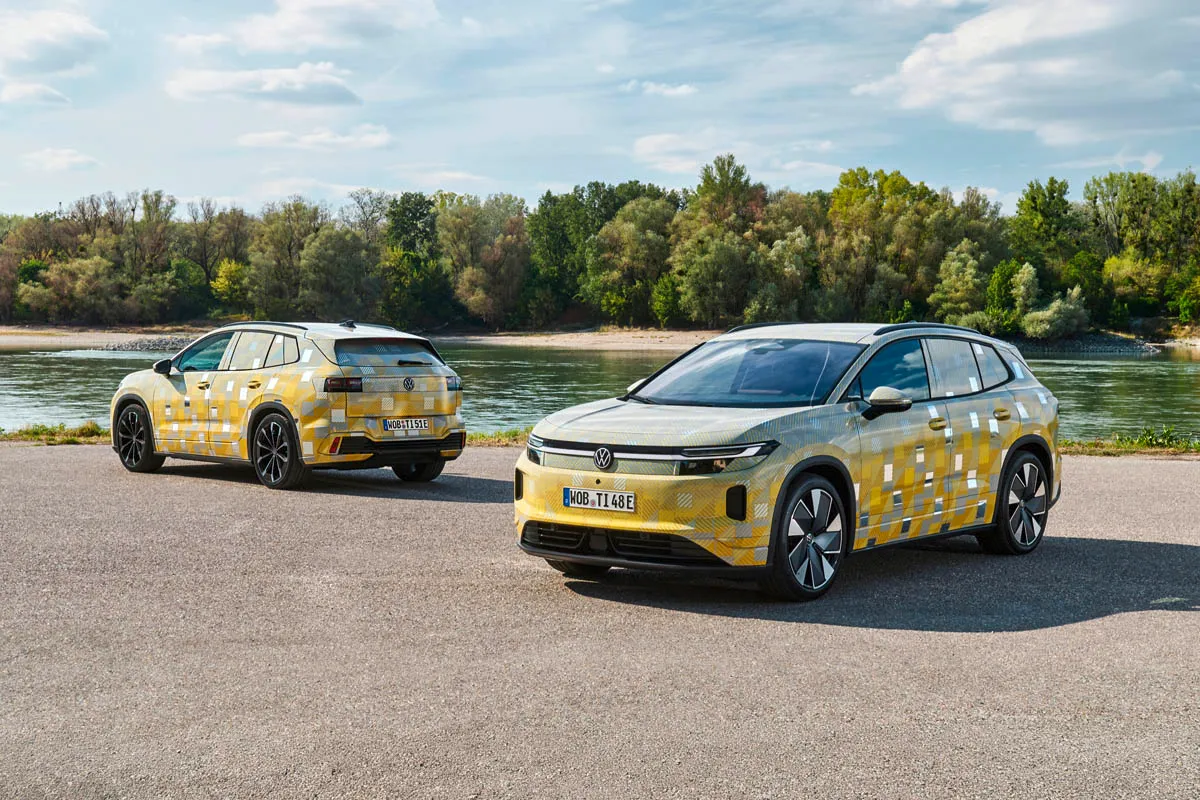
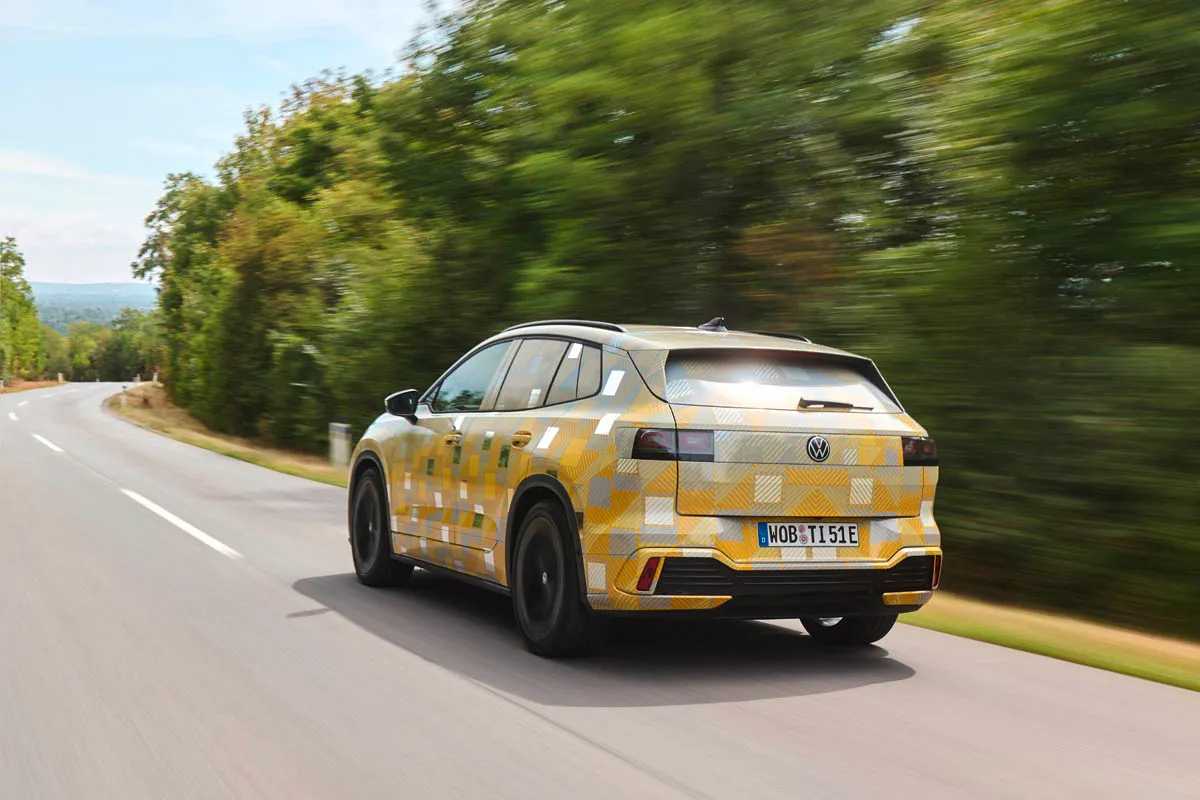
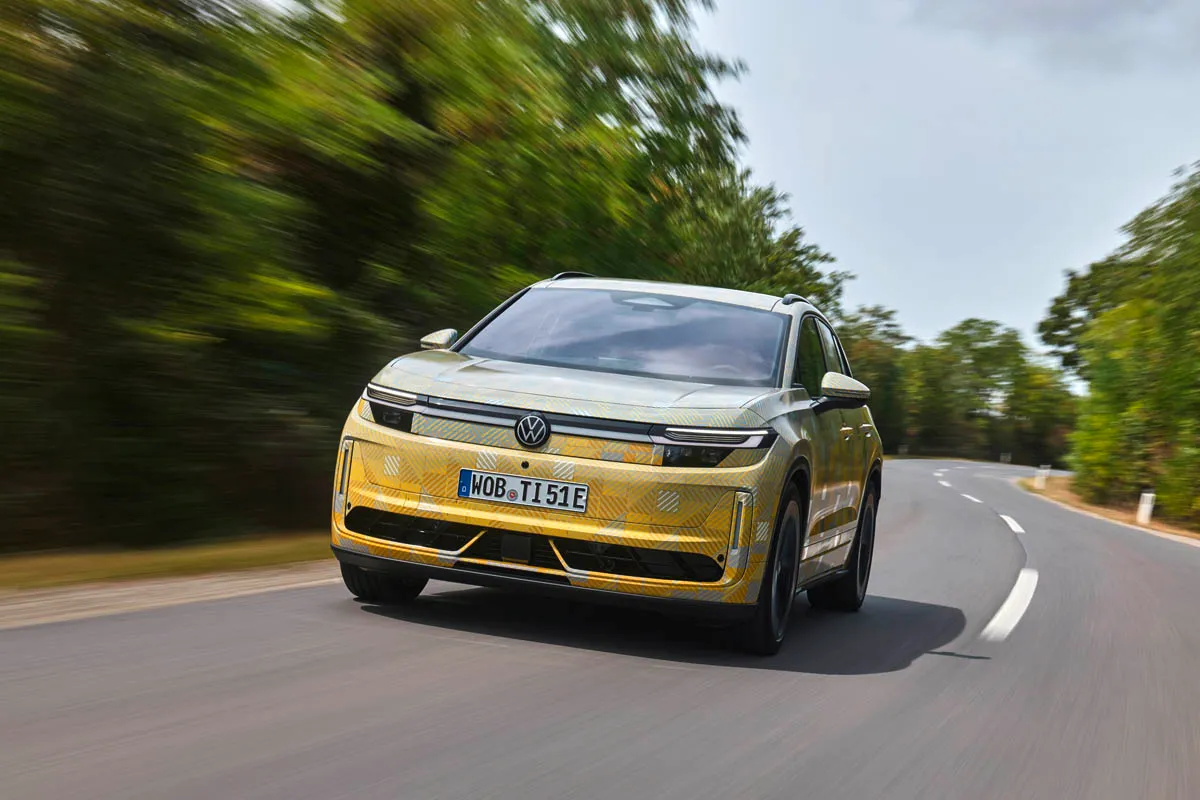
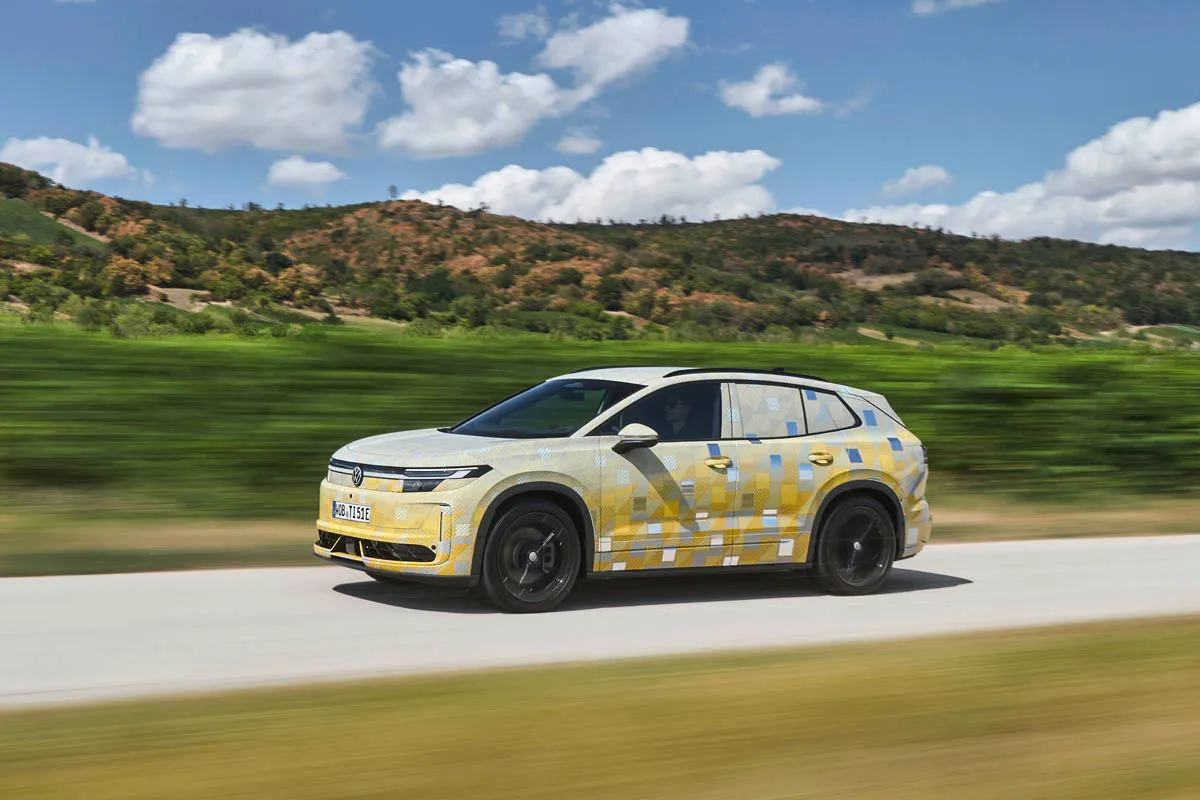
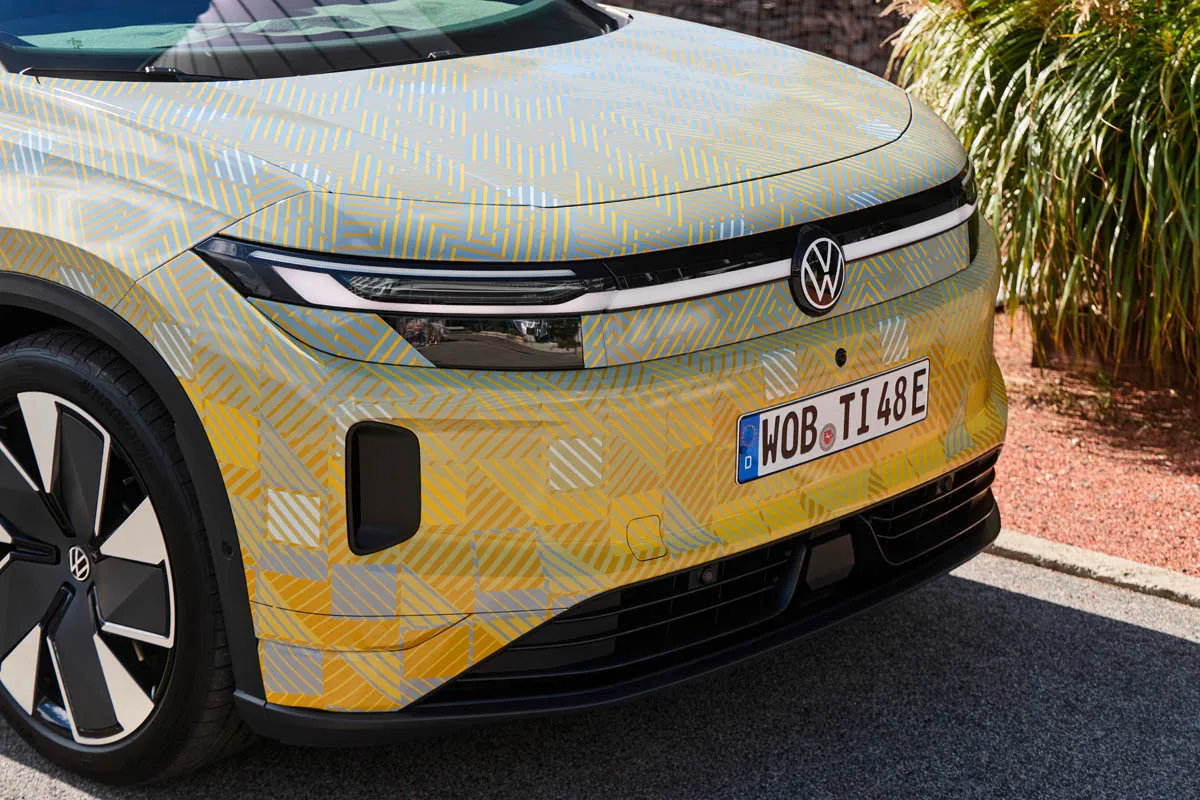
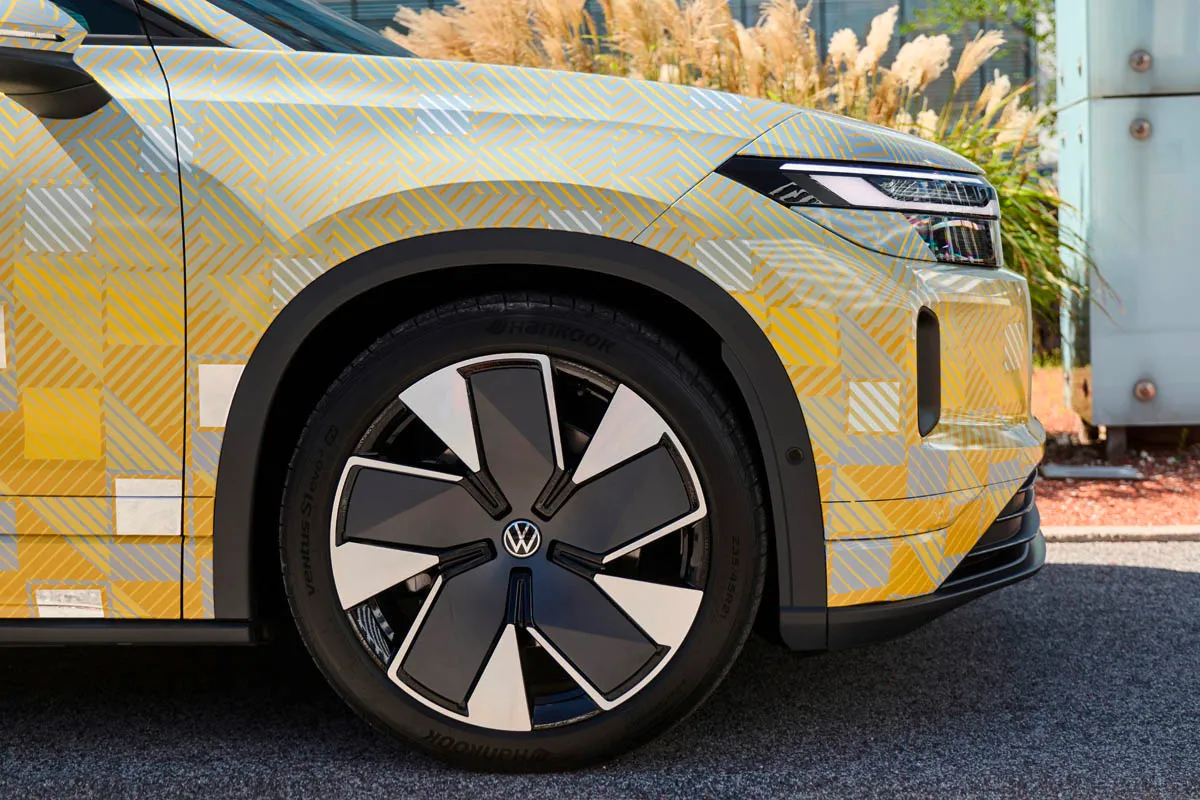
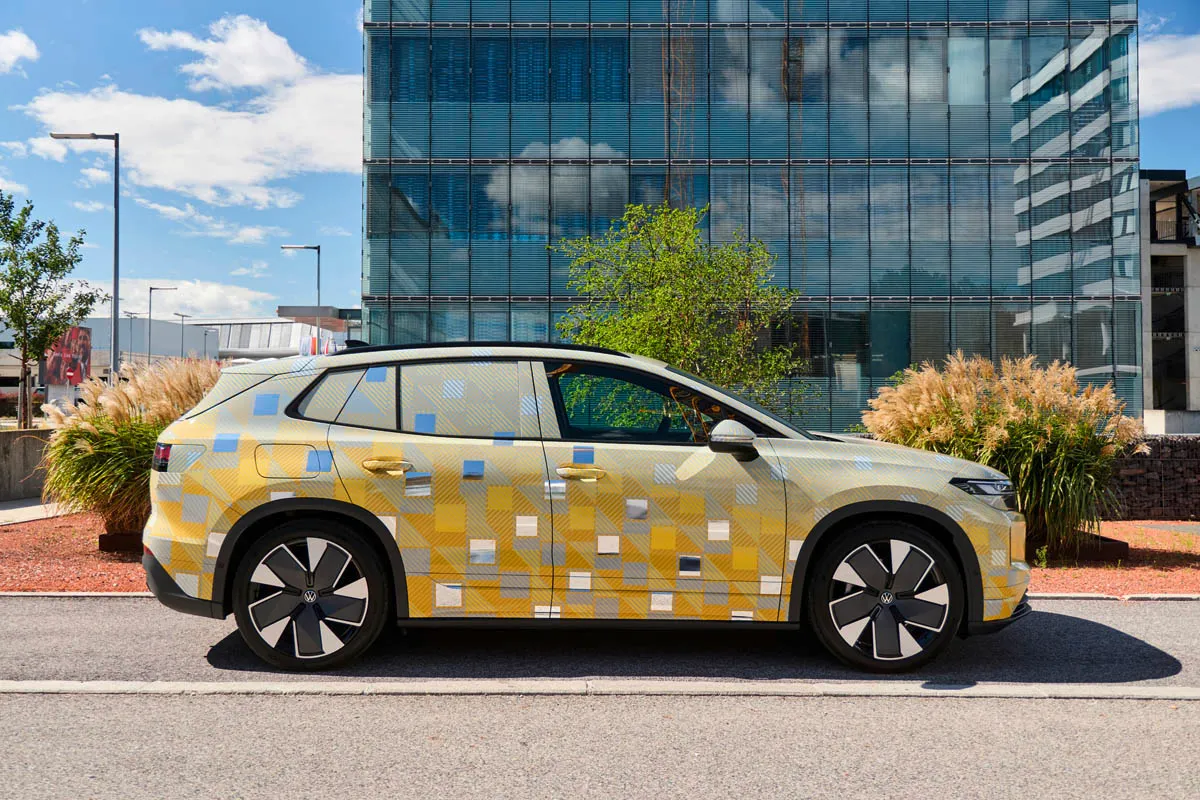
The change is evident on the ID. Tiguan, even under camouflage. The cars we drove in Austria were still heavily camouflaged, but one thing is hard to hide: the ID. Tiguan looks far more like an SUV than its predecessors. The ID.4 still retains the relatively soft and rounded shapes characteristic of the first generation of ID models. The ID.5 took this further with its sloping roofline. The ID. Tiguan sits noticeably straighter and more firmly on its wheels, thus aligning much better with what one would expect from a Tiguan model.
This aligns with what we saw earlier regarding the ID. Polo. An electric Volkswagen no longer needs to emphasize its electric nature at all costs. It must first and foremost remain recognizable as a Volkswagen. We won’t go into further detail on this for now. We’re keeping the final design, along with all details about the interior and technology, under wraps for the time being.
We’ll know much more on October 9
On October 9, we’ll be able to share much more about the ID. Tiguan. Then we’ll discuss the final design in detail, the various trims, technical specifications, and perhaps even the starting price. And just as interesting: we’ll also talk about how it actually drives. We’ve already spent a few hours behind the wheel in Austria, so there will be plenty to say about that later.
For now, it’s mainly the name that’s making headlines. Volkswagen is replacing the ID.4 and ID.5 with a name that has already proven itself. After the ID. Polo and likely soon the ID. Up!, it’s becoming clearer where Volkswagen is heading: electric cars no longer need to exist in a separate world with their own model names. With over nine million Tiguans sold, this might well be the least surprising choice Volkswagen could make. But it’s probably also one of the smartest.
Text: Marc Verweij